

we have another exhibition recommendation for you - this time at the v&a dundee (where i have recently joined the team as a freelance design educator so expect more exhibition visits later!) but even without this link, when you title your exhibition “maggies: architecture that cares”, it surely is a call to visit for this architecture lover.
at zitozza, the built environment is usually viewed through a lens of deconstruction: we look for the geometry in the utilitarian and the overlooked, but this new exhibition shifted the focus from form to feeling. the small, but tightly packed display on the upper foyer documents the history of maggie’s centres in the UK and beyond - they are cancer support sanctuaries designed not as clinical annexes, but as intentional pieces of architecture.
the system of sanctuary
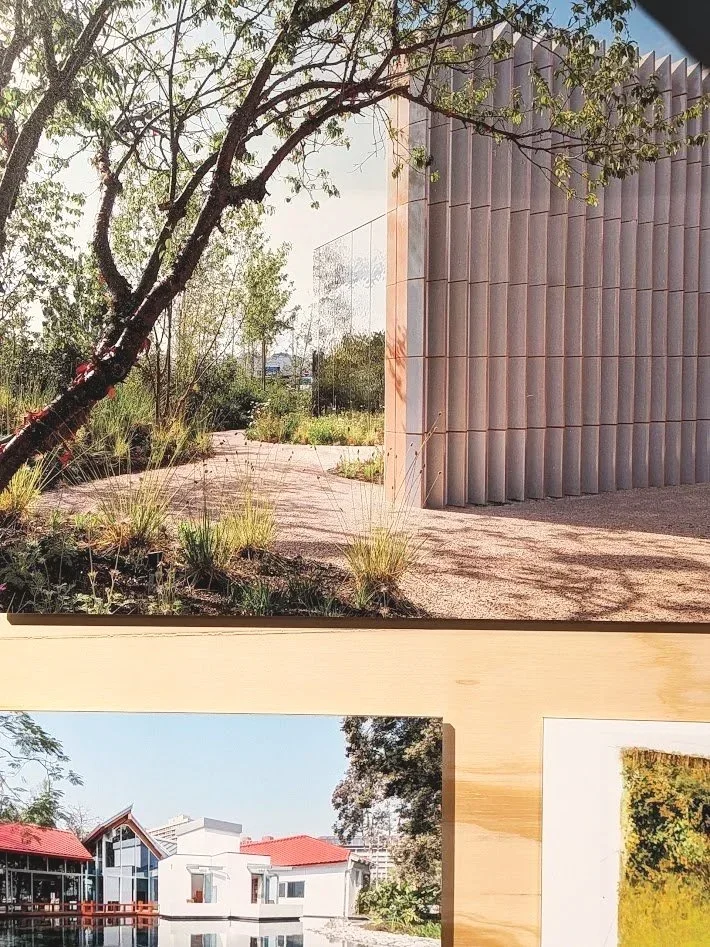
the exhibition showcases a range of approaches to the "architecture of care," from the clean, glazed precision of foster + partners to the timber-heavy, tactile structures that prioritise light and nature. it isn't just a collection of buildings; it is a study in how a physical environment can be designed to feel humane.
what is most striking is the light and the openness. many of the centres feature glass walls that dissolve the boundary between the interior and the surrounding gardens. the models in the centre of the foyer demonstrate how these buildings are designed to breathe, offering a direct contrast to the often built-up surroundings of a hospital site.
textiles as a structural tool
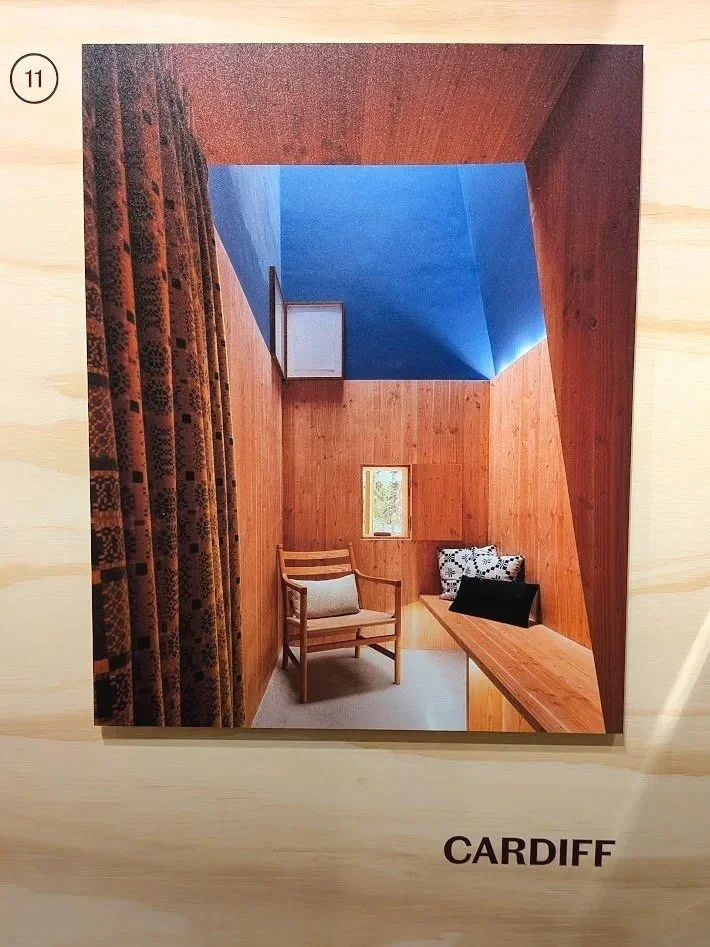
for a textile designer, the wall displays offer a fascinating glimpse into the interior logic of these spaces too. alongside architectural sketches are stories of how materials are selected to ground the inhabitant.
in the documentation for the cardiff centre, for instance, traditional welsh woven patterns are highlighted. it's a reminder that textiles aren't "decoration" in these contexts; they are a necessary tactile layer that provides warmth and familiarity. the presence of a tapestry by edoardo paolozzi (on loan from one of the centres) further reinforces this. it shows how a bold, modern building needs the rhythmic, woven interruption of art to feel truly "resolved."
a recalibration of the "wow"
as someone finding spiritual solace in the “soulless”, uniform spaces of hypermodernity, i have historically been sceptical, if not downright suspicious of "gimmick" architecture. when i looked at the expressive curves of architects like frank gehry or the sculptural forms of heatherwick studio, i often felt like they are prioritising the photograph over the inhabitant, that the spectacle is empty or even hiding something sinister.
however, maggie keswick jencks (a landscape designer herself) founded these centres on the belief that the environment is a core part of the treatment. the "wow" factor isn't about the architect's ego; it’s about giving the inhabitant a sense of agency. in a clinical world where you are often a passive recipient of care, these bold, often absurdly beautiful spaces demand that you remain a curious, active participant in the world.
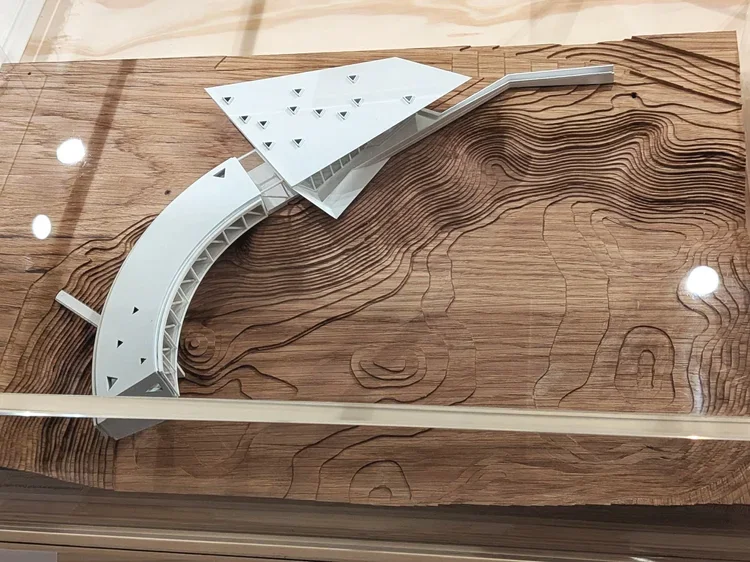
because let’s face it, when you are going through endless medical appointments, series of gruelling surgeries and various forms of therapies with exhausting side-effects, you will get quickly tired of the rigid, sterile “order”, and navigating the windowless corridors and white waiting rooms very soon becomes a miserable chore for survival. in this context, a zaha hadid curve or a gehry roof isn't the award-seeking spectacle i used to think about it as; it becomes a lifeline. it’s a moment of wonder and beauty in a time that is otherwise so horribly bleak. it made me understand it much better where this type of architecture belongs and why they win many of these kind of projects. this is clearly what they do best.
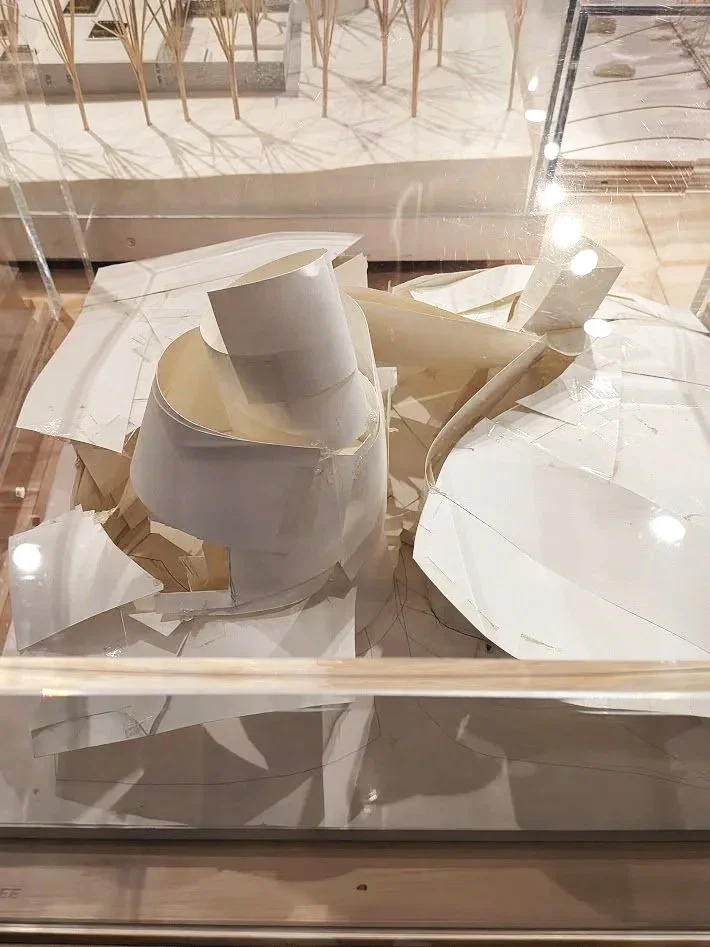
the models themselves are interesting, there are a few different standards from perfectly scaled to ceramic sculpture models. frank gehry’s original paper model is displayed (borrowed from the permanent galleries next door.) there is a great anecdote shared about how he hacked at this first paper concept with scissors when he felt it wasn't "open" enough and it’s a proud piece in the permanent galleries for precisely this imperfect, battered appearance as you can absolutely see the compromises to this paper vision in the resolved structure that was eventually built. but it still highlights the raw energy of the intent, and the exhibition, and particularly the accompanying video room which captures the lived experience of these buildings, gives the perfect explanation of where this vision works best.
i feel that in an era of low-budget architecture, the uncompromising, human-centred mission of maggie’s centres needs to be doubly celebrated. the exhibition makes it clear how the organisation takes great pride in these wonderful spaces and the experiences they can provide to their visitors.
beyond the foyer
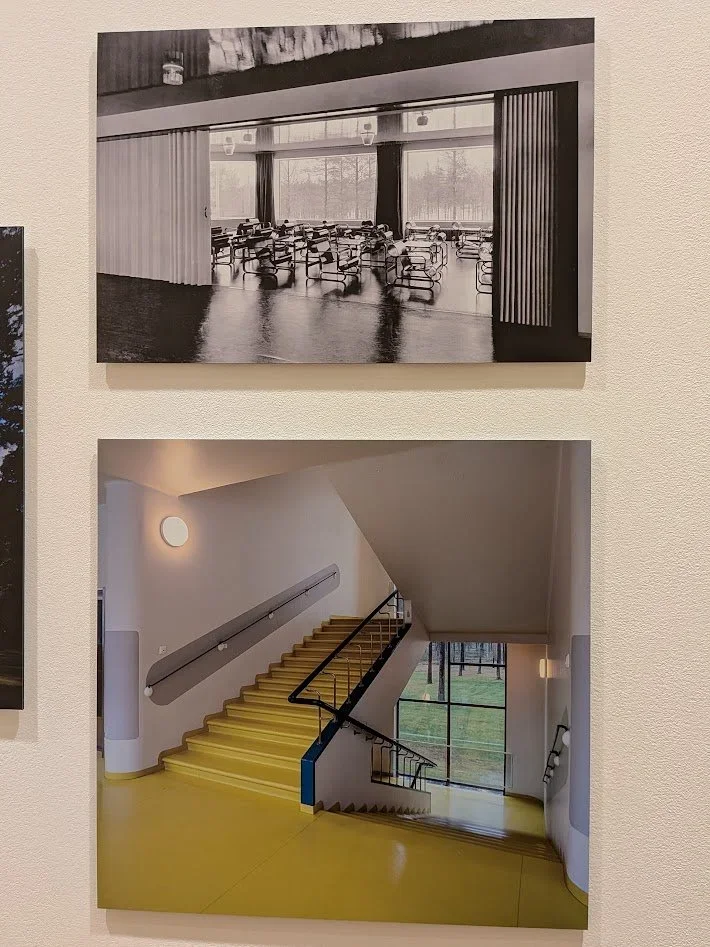
the display extends to a wall opposite the learning studios, placing maggie’s in a historical lineage of care-based design, referencing everything from the nightingale hospitals to alvar aalto’s paimio sanatorium.
it’s a beautiful, thoughtful exhibition that reminds us to look at our environment with curiosity. whether a building has clean, straight foster-esque lines or the "gimmicky" waves of a celebrity architect, its success ultimately lies in whether it makes the person inside feel cared for.
maggie’s: architecture that cares is on at the v&a dundee until 1st november. michelin design gallery, v&a dundee, 1 riverside esplanade, dd1 4ez