it left me wondering what really happened? ikea has always been the champion of the “middle crowd,” the “wonderful everyday”, the affordable but well-designed stuff that were simply made to serve a life well lived. but what does that mean in an economic climate where the middle is disappearing? when so many brands are either abandoning this middle crowd by trying to tap into the higher-end bracket with unreasonable pricing, or have resigned themselves to no longer lead but follow with low-quality, less cutting-edge designs. where does that leave brands like ikea? what does the future hold for the company and its bold textiles?
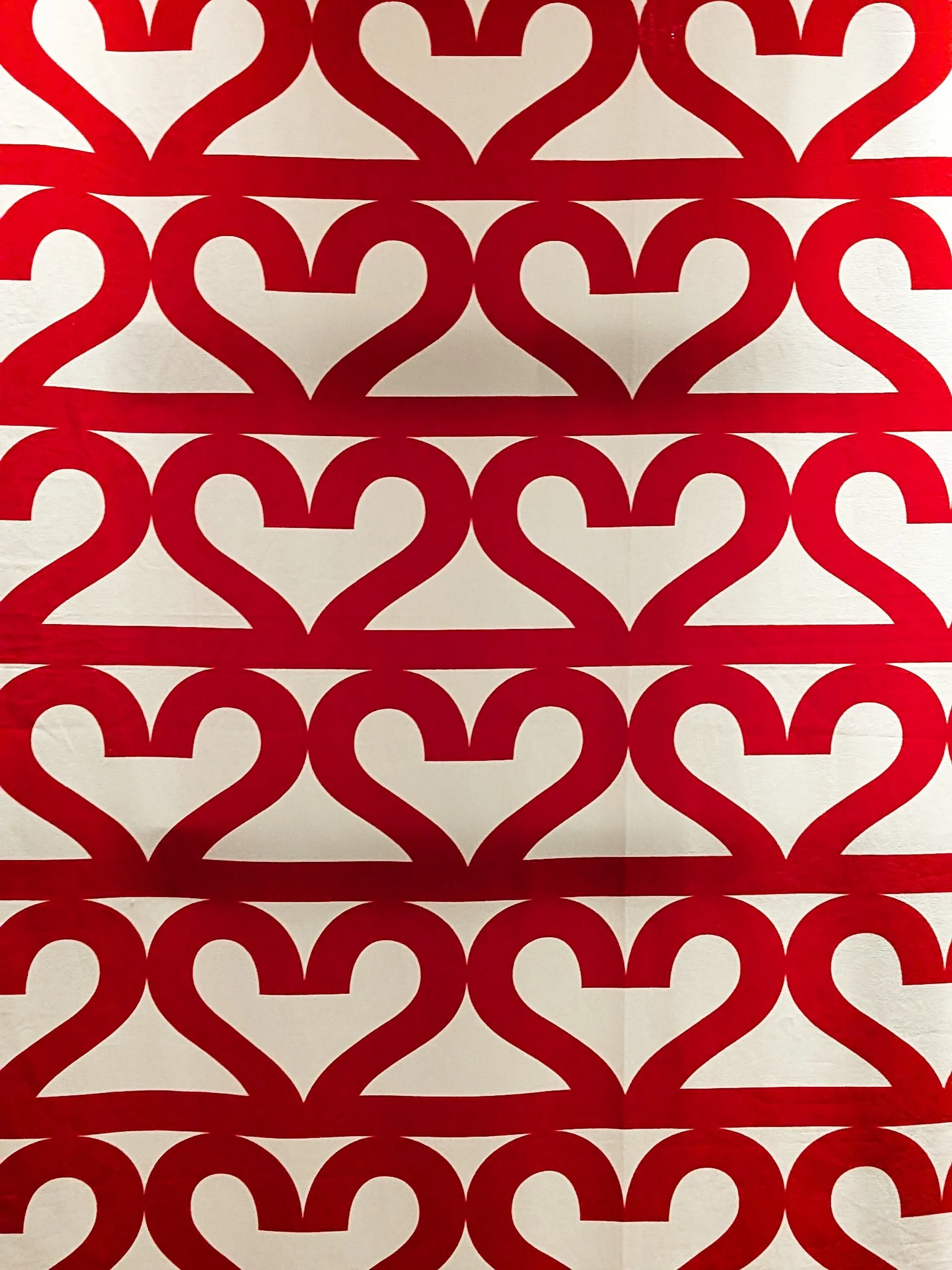
the exhibition has also made me think how skewed our current idea of “scandi design” has become. somewhere along the line, “scandinavian” was collapsed into plain, bare, minimalist in the mainstream. yet this exhibition shows a very different story: sweden has always embraced pattern. bold, abstract, colourful, playful. IKEA didn’t just follow that tradition, it helped define it. i know it is only one company from only one of the scandinavian countries, but i think exhibitions on the bold colours of IHAY or fritz hansen would actually tell a similar story.
so while magical patterns might not have answered all my questions, it was still a joy to wander through. it reminded me that pattern is rarely effortless, that design histories are sometimes gendered, and that “scandi minimalism” is a myth ikea’s own archive disproves. perhaps the real magic here is how a so-called middlebrow brand has quietly carried radical pattern work into millions of homes.
-
IKEA: magical patterns - until 17th january 2026 at
dovecot studios, 10 infirmary street, edinburgh EH1 1LT
dovecotstudios.com
ikeamuseum.com (almhult, sweden)