SUSTAINABILITY, TEXTILE INDUSTRY, INTERIOR DESIGN

how the UK's fire safety regulations make it difficult to bring eco-conscious materials into your home

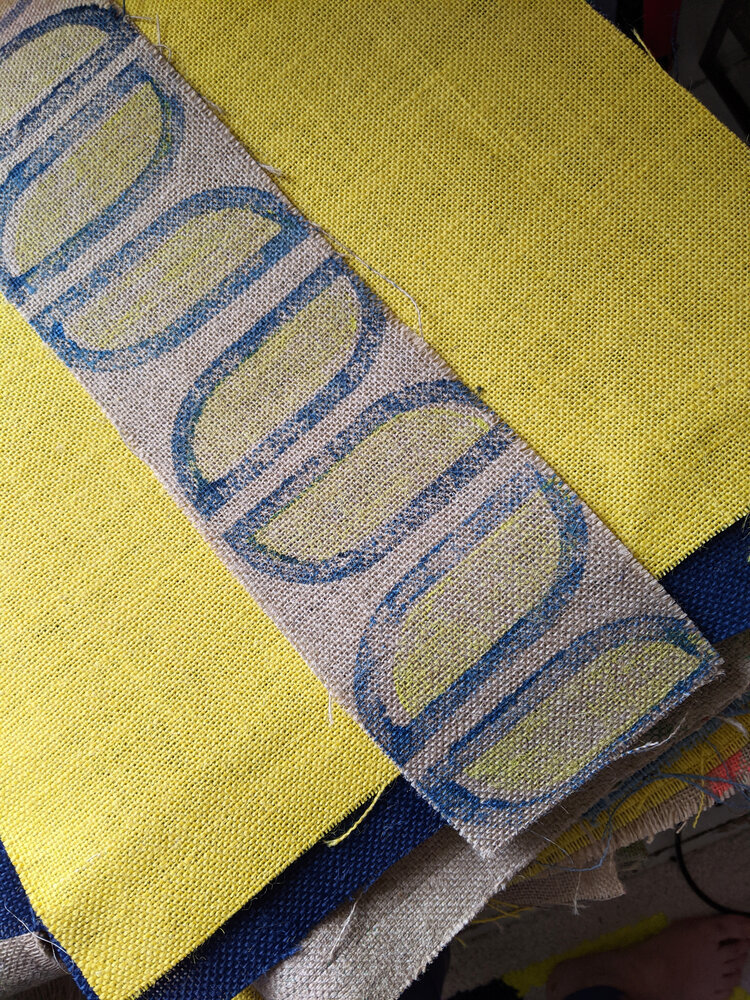
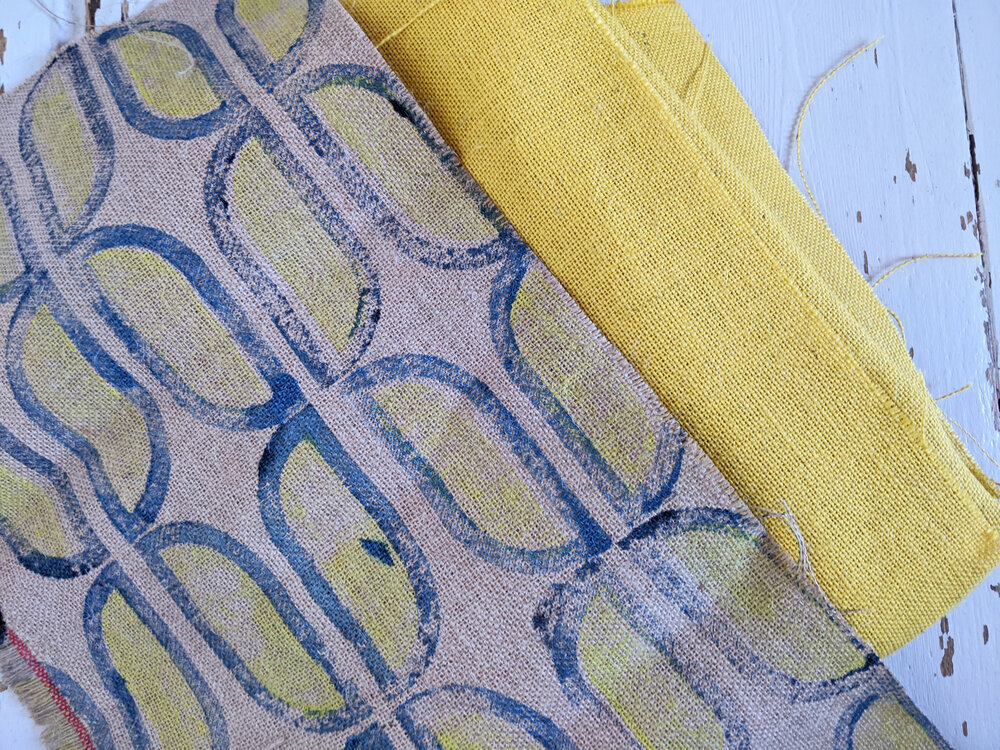
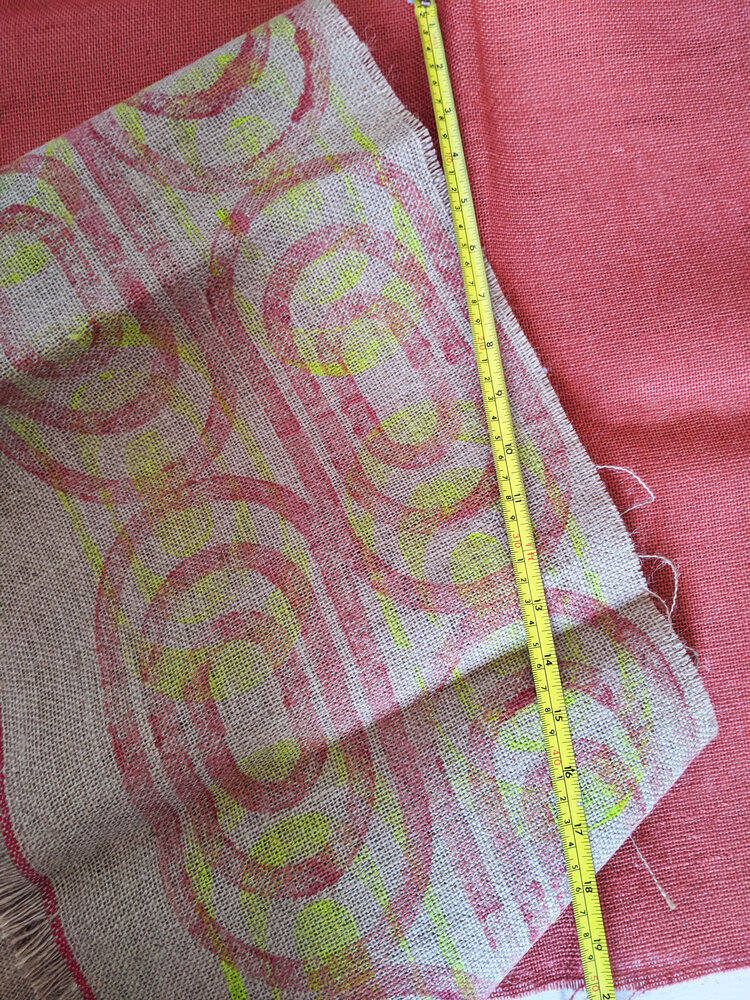
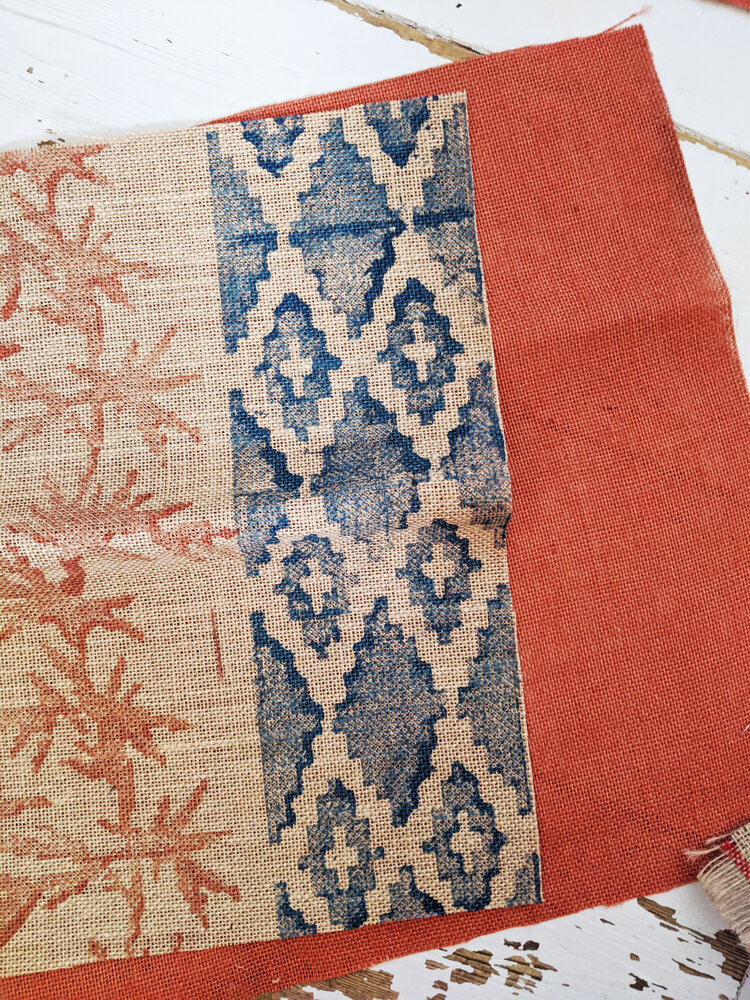
first things first, i have some excellent news to share. zitozza fabrics can now be treated to domestic & contract upholstery and curtain fire safety standards, meaning it can now be used as upholstery fabric (yes, the heavyweight jute has the rub count too for general upholstery use!)

this is fantastic news and watch this space because some new products are currently planned to launch next year - and in the meantime, please do enquire about any bespoke projects, we’re here and happy to help and print for you!

now, i’m going to write a little bit more about this though because it feels that the issue of fire safety regarding eco-conscious materials is not often discussed - it’s probably because it is not the most exciting of topics, nevertheless it is very important and people in our trade must be aware of all of it anyway.

it is important, because it is estimated that in the uk, 37000 house fires happen claiming 200 lives every year. textiles in the home no doubt play a huge role in how these fires spread and the UK has one of the strictest regulations in the world in place called the furniture and furnishings (fire) (safety) regulations 1988, to make sure that all parts of furniture, filling materials and covers too should be fire resistant for domestic environments as well as contract ones. there are different standards for different environments and materials, but the bottom line is, all cover fabric, even in domestic environments, must be cigarette and match resistant as well. these are uniquely strict regulations and testing regimes that the rest of the world does not match, perhaps for good reason - the problematic chemicals required to achieve fire proof status. watch this excellent newsnight report on the topic, aired in 2017, soon after the devastating grenfell tower tragedy.

The devastating Grenfell Tower fire has prompted a complete review of fire safety regulations in tall buildings. But how fire-safe is the furniture inside Br...

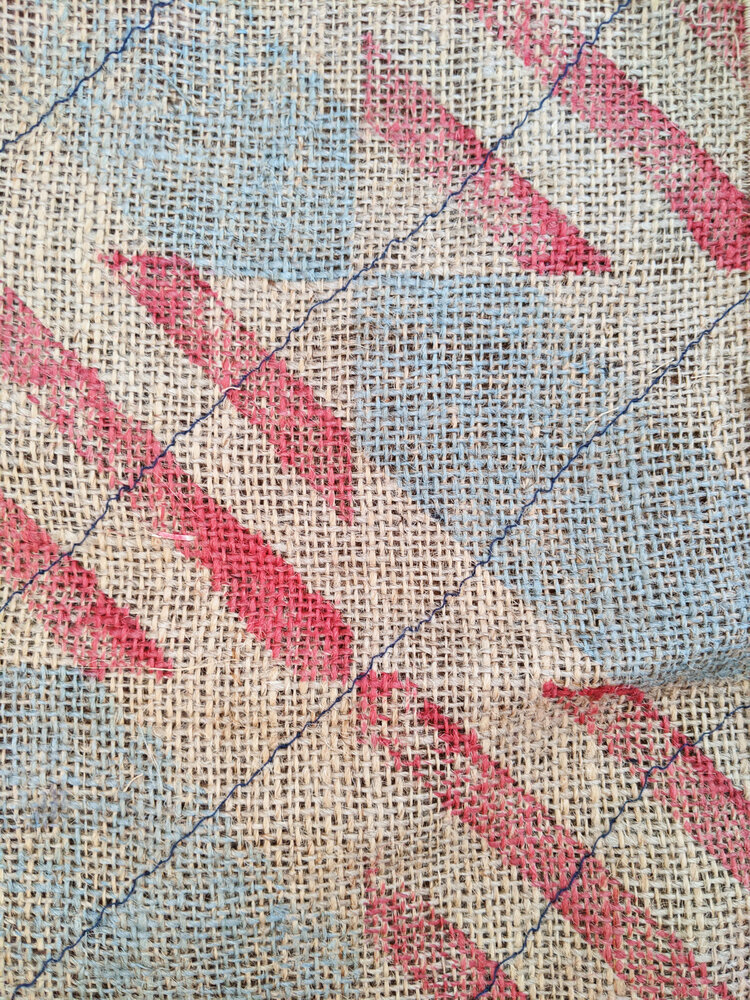
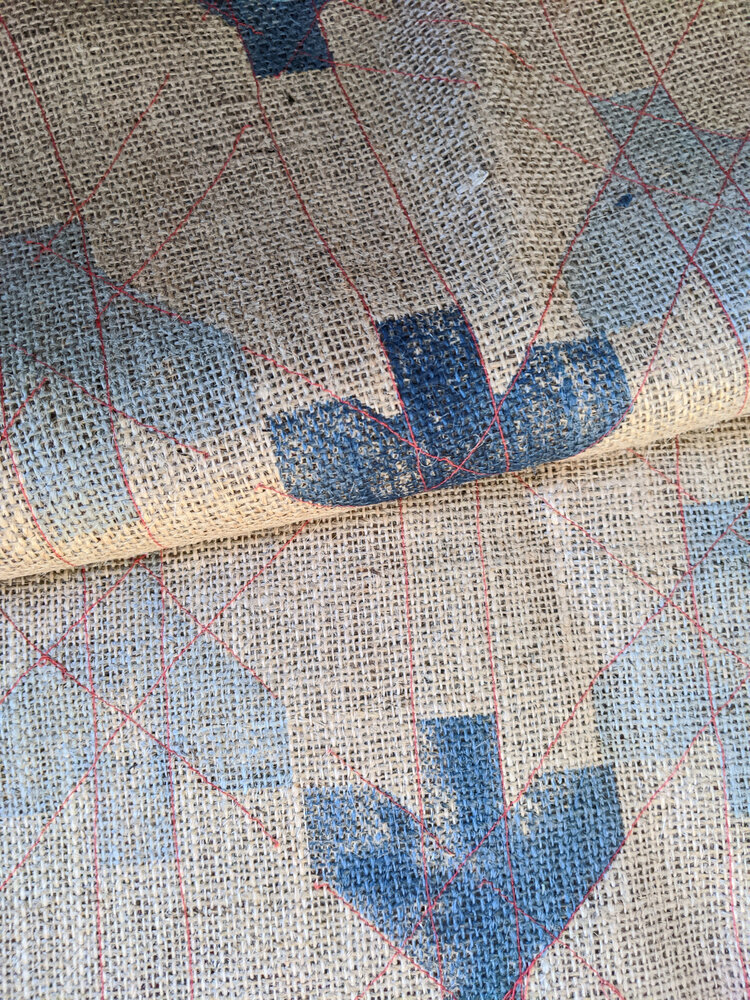
there are exceptions though in these regulations: for cover fabrics consisting of over 75% natural fibre, it is enough to pass the cigarette test only, if it is used with a fire resistant interliner cloth that passes a more comprehensive fire resistance test (schedule 3.) it is quite common for cotton and linen blends to be used like this, without excessive chemical treatments. the regulations specify what they mean by “over 75% natural fibre content” - that is cotton, flax, viscose, modal, silk, or wool. not a very comprehensive list, is it? and because other natural fibres such as jute and hemp are not specified, those of us working with these fibres must treat it further to pass the more stringent match test too. luckily, zitozza jutes can be treated for these standards. the treatment does not seem to damage the print or the fabric in any way, and we’re happy to supply it for you to even contract standards.

i am however quite disappointed that in the case of jute (and hemp - probably the two most sustainable fabrics in the world), chemical use is the only route to compliance. i don’t know whether the treatment itself can be made more environmentally friendly, but at the moment it certainly does not seem to be health friendly - many of the chemicals used for such treatments have been found to disrupt hormone function and increase cancer risk. while the EU are moving towards banning many of these chemicals, in the UK the presence of chemicals in the dust remains a huge concern (and a particular worry with jute because it’s such a fibrous material.) it is argued that due to the toxicity of the fumes, these chemicals on the fabrics can actually make house fires more dangerous - the very thing they are meant to improve.

of course, i’m aware that jute in particular in its natural state is flammable. it’s a dry, woody fibre and dundee was notorious for fires starting at the jute mills. it was worse in the past because of the batching oils, but the amount used by the industry today is a lot more reduced, and i’d like to think, or at least test it to confirm, whether its behaviour would be any different from flax or certain types of cotton. these are specified in the regulations as exempt from the match test (with a schedule 3 interliner) and it disappoints me that jute and hemp are not. this makes it difficult for such sustainable textiles to enter the UK market, at a time when there is a huge pressure to make the environmental switch.

currently these regulations are so strict that even floor cushions count as furniture, therefore, while small, decorative cushion covers don’t have to be treated, for cushions over 60 x 60 cm the cover fabric must also pass. personally, i think this is overkill and while i fully trust my supplier with the safety of this treatment, i’m still being cautious with this product range because i’m worried it reduces the eco-friendly nature of these products.

it’s been a tough situation for many businesses trying to promote eco-conscious design, although i’m aware that there is a lot of research into better, less toxic treatments and i have no doubt that things will improve. i just wish the pace of these changes to be in line with the urgency of the environmental situation.

-

links:

FIRA flammability guides (UK domestic) (UK contract)

furniture and furnishings (fire safety) regulations 1988 (UK government)

testing & standards explained (maureen whitmore, interior designer)

house fire facts (first alert, smoke alarm company)

background briefing - flame retardants (breast cancer uk, charity)

the EU’s quest to ban toxic flame retardants (cool products, ngo)

the use of toxic flame retardants and their effects on health (question for written answer by MEPS to the european commission and their written answer)

britons and their unborn children at risk (the independent, newspaper)

why the uk fire regulations are killing eco-design (e-side, furniture business)
JUTE, TEXTILE INDUSTRY, SUSTAINABILITY, ZERO WASTE

10 reasons why jute is one of the most sustainable textile in the world (including one huge potentiaL)

i have always wanted to write about this, because it is one of the main reasons i got interested in jute at all - apart from the amazing aesthetics, that sort of fibrous, raw, utilitarian, functional, “textile brute” appeal (which is worth another blog post at some other time). but right now, it’s time to talk sustainability because the textile industry is one of the worst offenders in the world when it comes to pollution and the responsibility is ours, designers, to find alternatives that are friendlier to our environment. jute is an amazing choice for this use too, and below i listed the main reasons of its sustainability benefits.

jute-plant-growing.jpeg

1. SMALL WATER FOOTPRINT

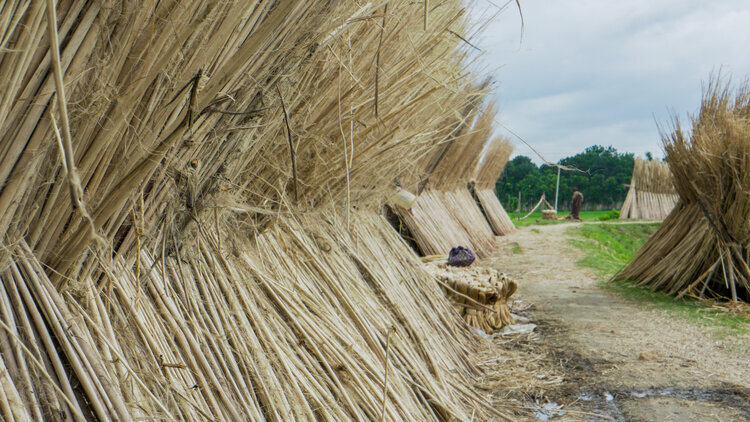
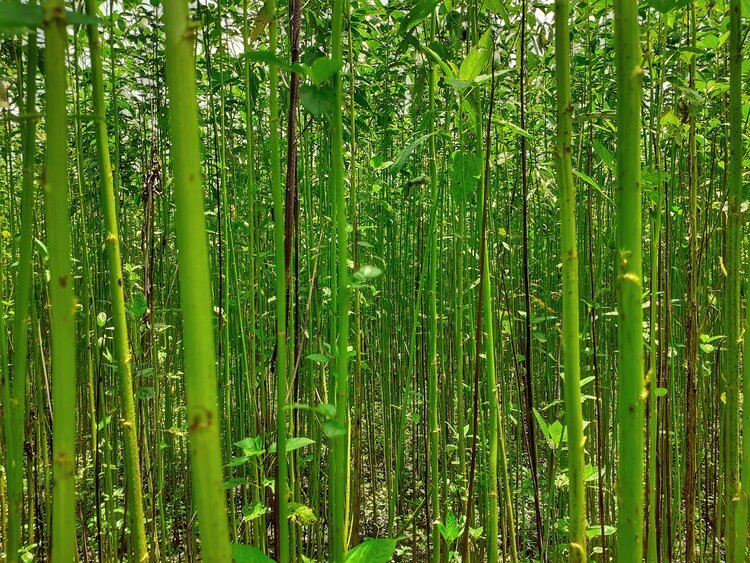
the jute plant grows in the tropical regions, in countries such as india, bangladesh, pakistan, thailand and southern china and it is also cultivated in many south american countries. it relies on natural rainfall, reducing the need of complicated irrigation systems and require fewer freshwater sources.

2. SMALL LAND FOOTPRINT

the jute plants grow very densely to each-other and crops are produced very efficiently, a decent crop can be cultivated on a smaller piece of land that doesn’t take a lot of space away from natural habitats or other agriculture.

3. REDUCED NEED FOR CHEMICALS

this density by which it grows leaves little space for weeds or other pests, and as such, it’s grown without a huge amount of pesticides. they also don’t need a huge amount of fertilisers either (typically less than 20 kg per hectare is applied)

4. SOIL HEALTH

growing jute plant leaves the soil with more nutrients than before the process. this is because their leaves drop often, creating organic matter that is feeding the soil with nutrients. growing jute can be used in poor quality soils to regenerate waste lands and help with food agriculture in some of the most impoverished regions in the world.

5. CARBON CAPTURE

the jute plant binds carbon dioxide faster than trees and it’s good at releasing oxygen (one hectare of jute plants can consume about 15 tons of CO2 from atmosphere and release about 11 tons of oxygen in the 100 days of the jute-growing season)

6. fast growth

jute plants reach growth in 4-6 months, meaning crops can be harvested a few times a year, this is not only highly economical, but also a sustainable pace and more in line with demand.

7. recyclable and biodegradable

while some of the jute plant is not used at the moment, all production waste is recycled and all of it is biodegradable in its natural form.

8. under-utilised potential for the paper industry

the inside fibres of the jute plants (jute sticks) are still considered waste and are recycled, however, research is ongoing into using it for paper production. it could potentially supply the paper industry with pulp, reducing the need for cutting down trees.

9. production

jute is a utilitarian, industrial fabric, usually woven to lower quality standards requiring less energy-heavy processing and a reduced amount of chemicals. most of the industry uses it in its natural, unbleached form.

10. long life-cycle

jute is a strong and durable fibre, often used for ropes, rugs, heavy duty bags and tarpaulins. it has a long life-cycle before it breaks down (and when it does, it is fully biodegradable and recyclable)

jute-plant-processing-drying.jpeg

it is clear that jute is a wonderfabric which, if we could accept it being used more widely, could help our living situation on this planet. having said all of that, it is also important that we don’t brush over the inconvenient truths as well - jute is a hard fibre, and to soften it enough to make it spinnable, the industry killed a lot of whales for its oil in the last centuries. this is now replaced with other oils such as paraffin and palm oil which bear their own negative effects, however the industry is continuously working on reducing the necessary amounts of these materials. there is also research that the retting process (also used in flax and hemp production) can also be damaging to aquatic life which is yet to be resolved - unfortunately the textile industry remains an environmentally impactful one.

all in all though, when compared with other materials, jute comes out as one of the best ones. (according to the higgs index of sustainability and impact, natural jute has an overall score of 40, while, for instance, dyed cotton has an impact score 101. jute's water scarcity impact is 10 times less of cotton products.) when it comes to the responsibility of the textile industry, it is absolutely imperative that we use materials that cause the least possible harm to our living environment.

for me, jute and its industrial, raw, functional nature brings also an immense aesthetic value that fits into my design values - i think great parallels can be drawn with the raw concrete as the preferred external material and the functional architecture that is a great source of inspiration of the designs themselves - perhaps it’s worth expanding on that in another blogpost. nevertheless, i hope that in the future, we will see more and more of jute coming into the cosy, warm homes, bringing us the tactile comfort and the environmental benefits - for a more content home, inside and in the wider world too.

-

links:

the sustainable fashion collective

better meets reality

down to earth

the higg index

images: adobe stock photos

BEHIND THE SCENES, WORK IN PROGRESS

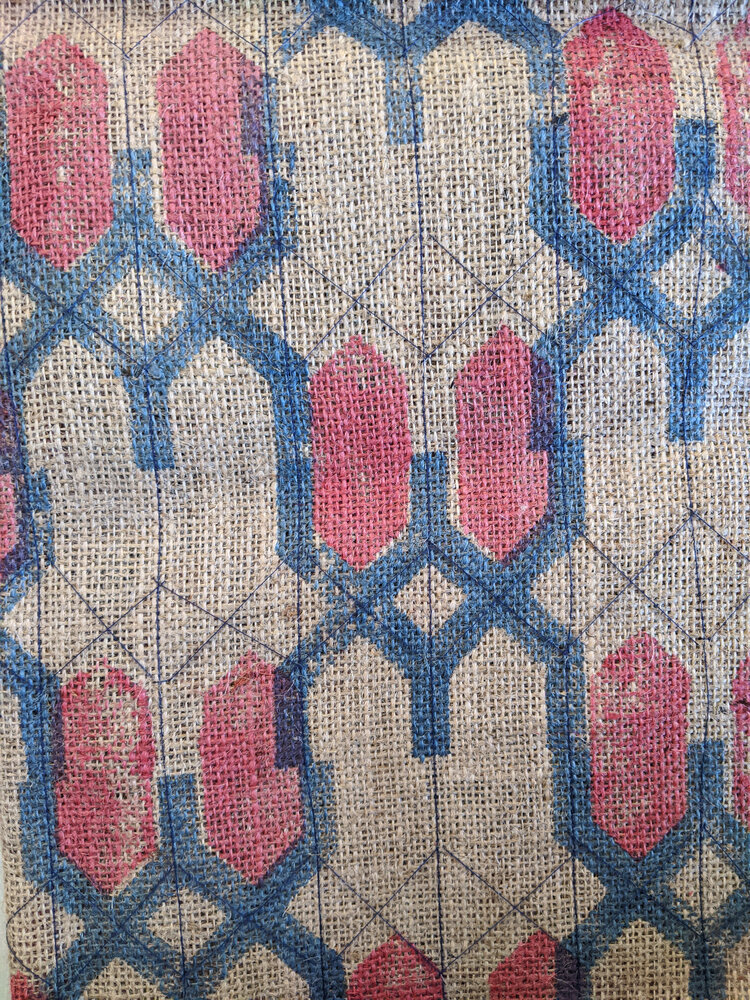
stitched patterns

ok so this is going to be another more visual blog post and i might have to share a little bit more of the history behind these prints. (if you’re interested in the full origin story, you can visit my other website where i have already written a blog post about it here, however i’m quite willing to write more if you want to read!)

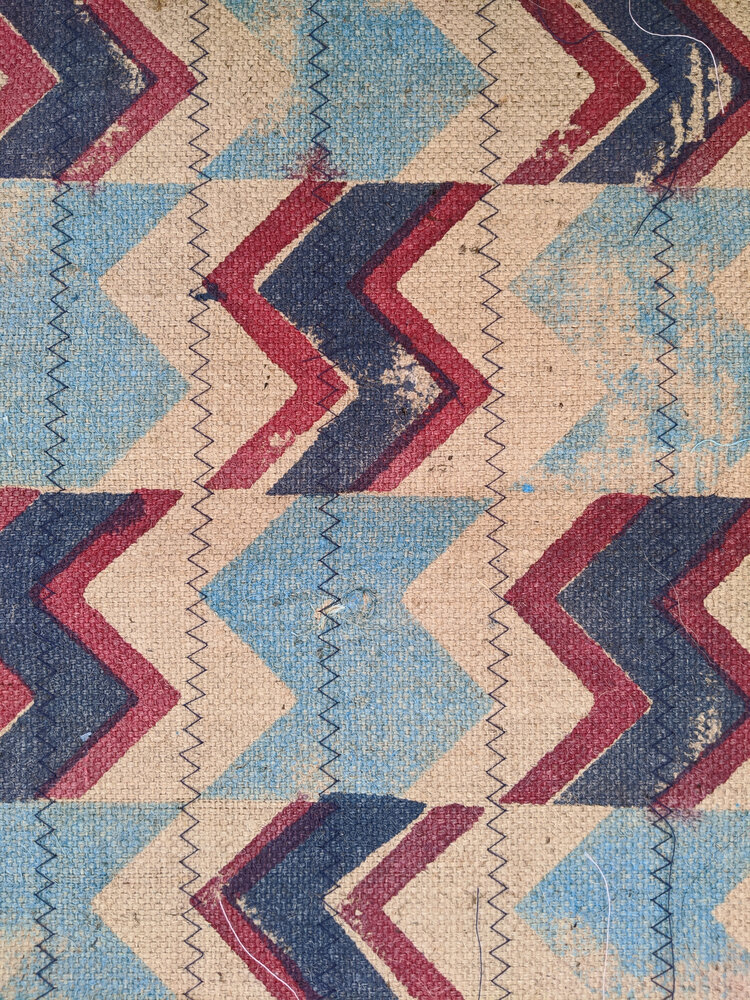
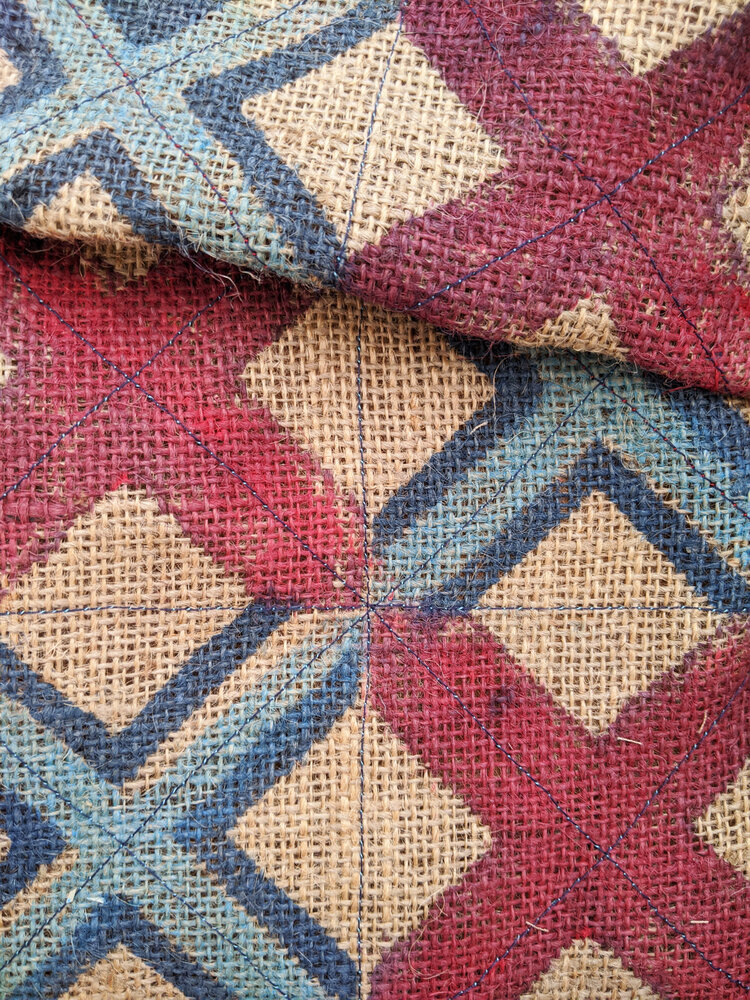
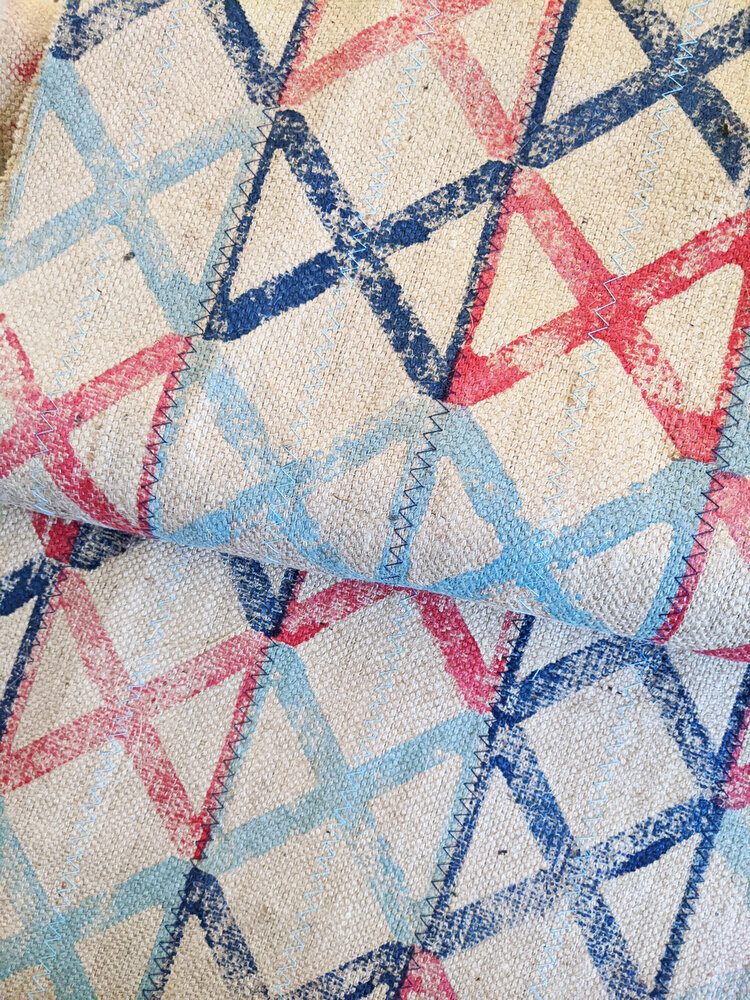
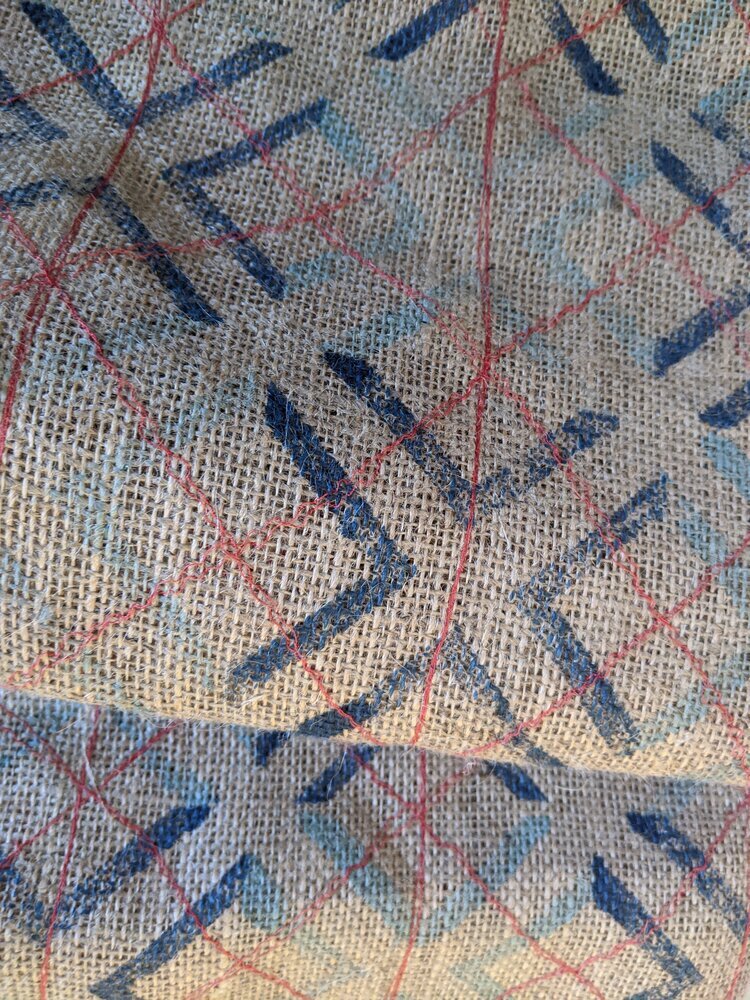
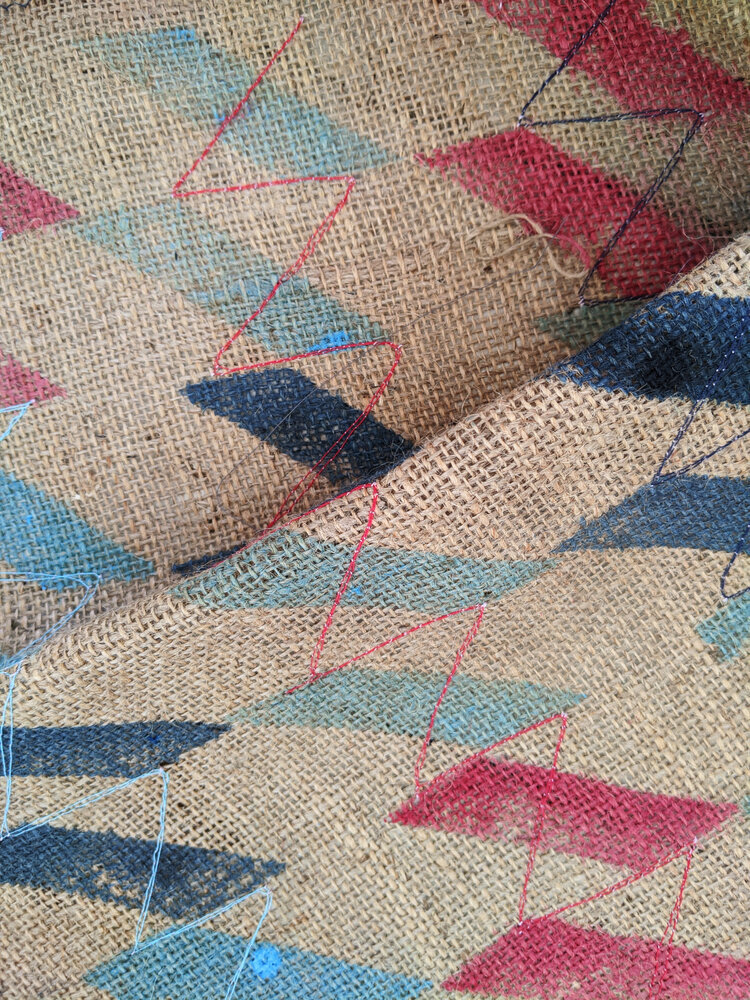
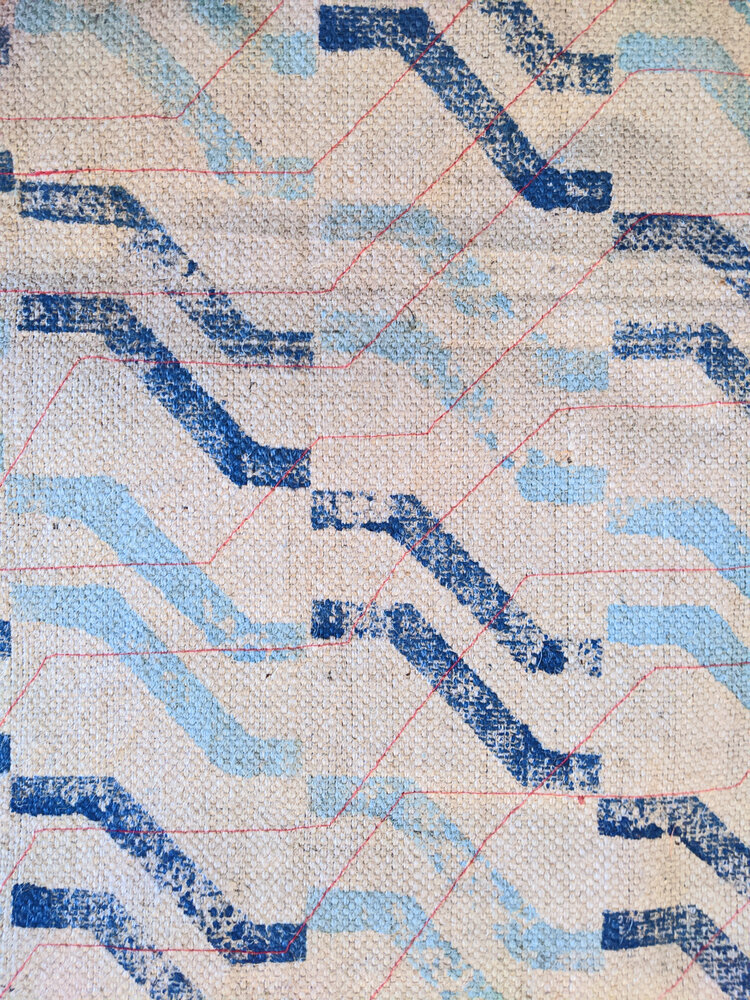
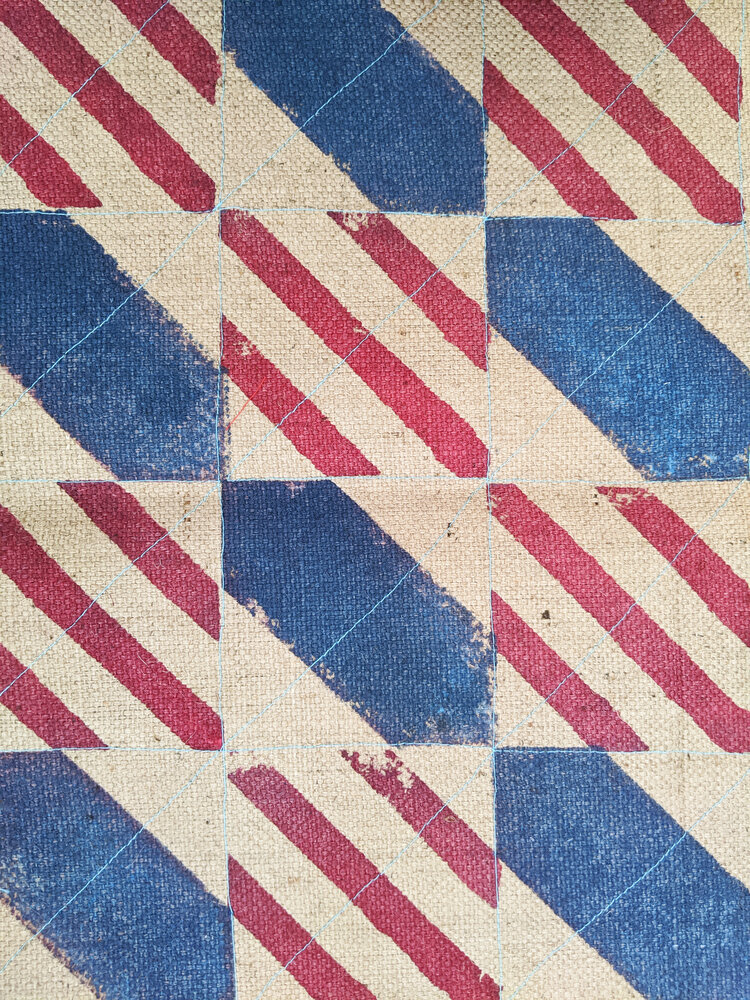
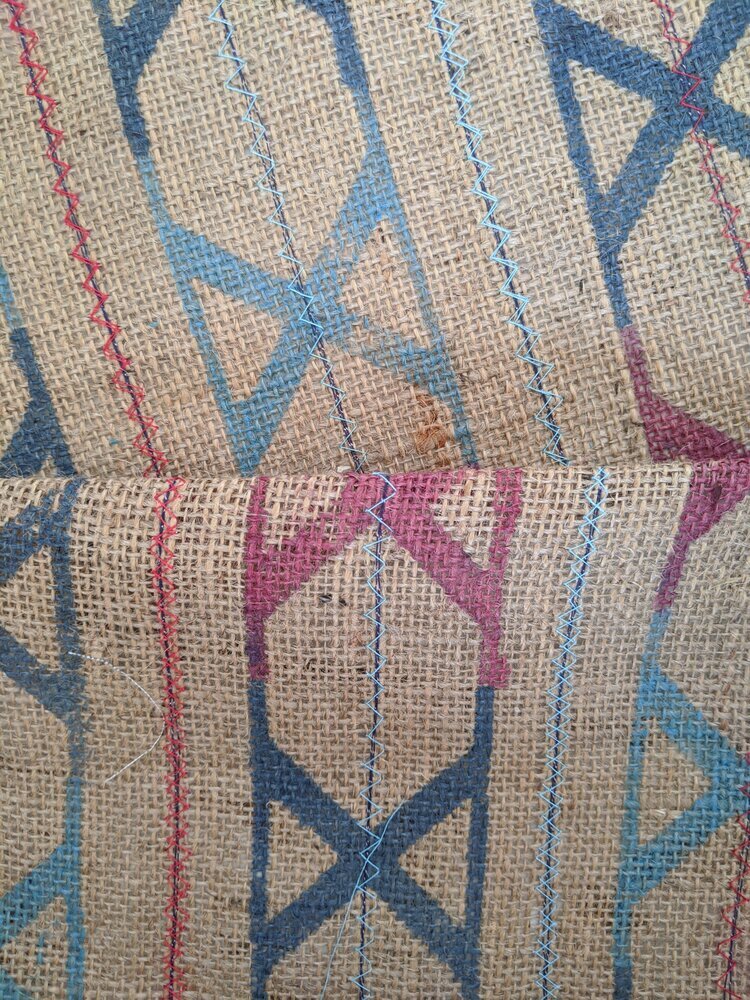
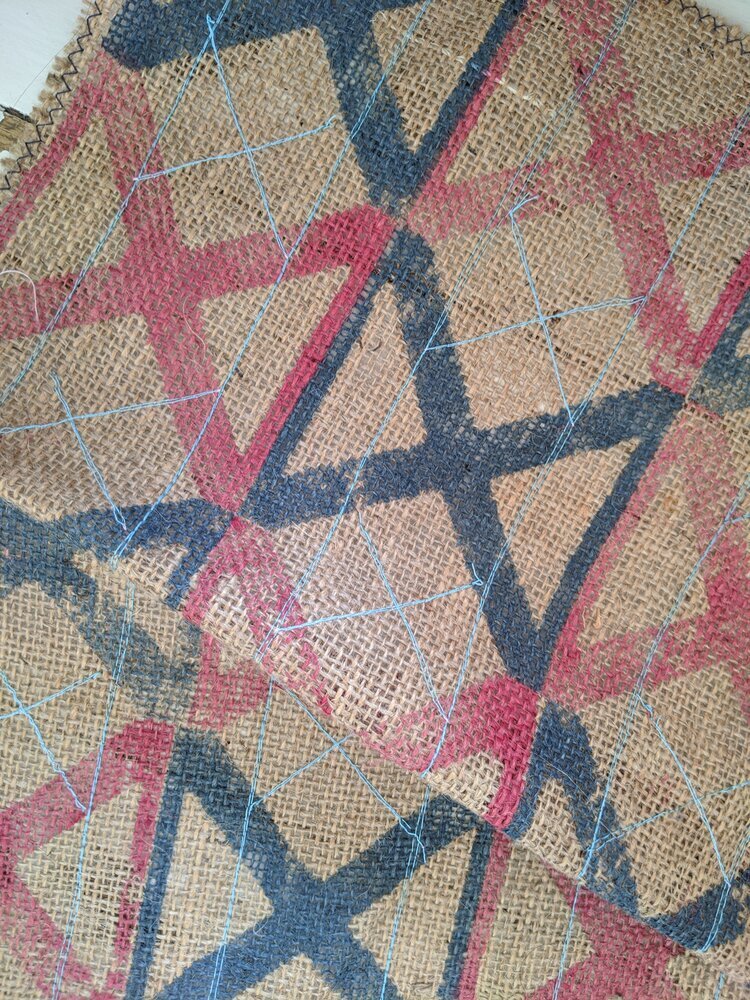
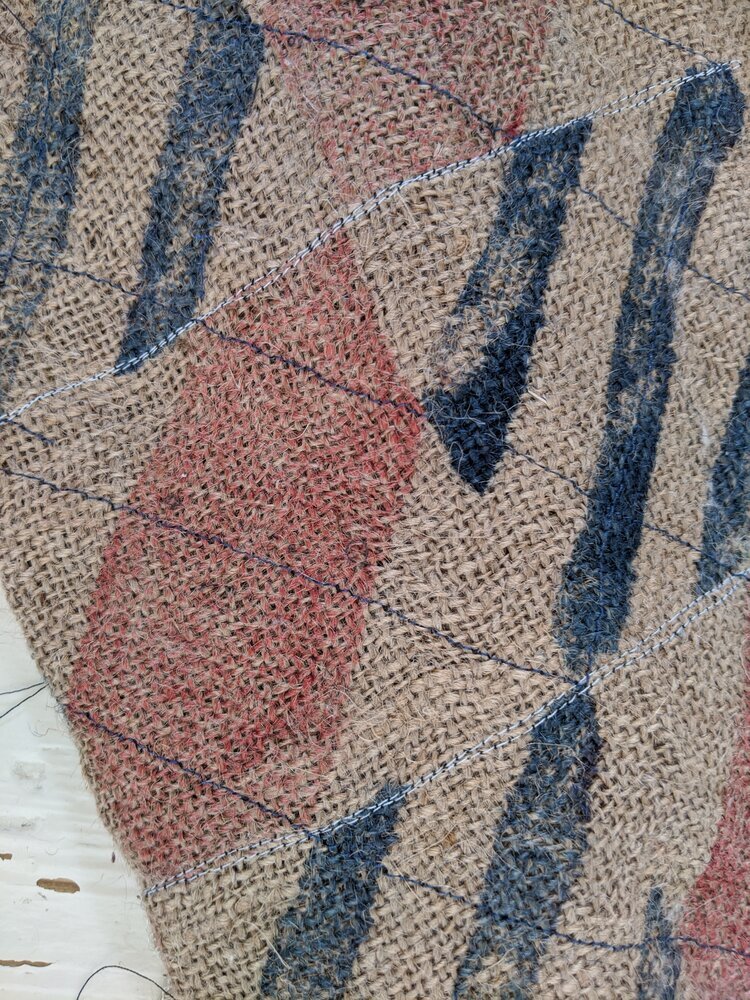
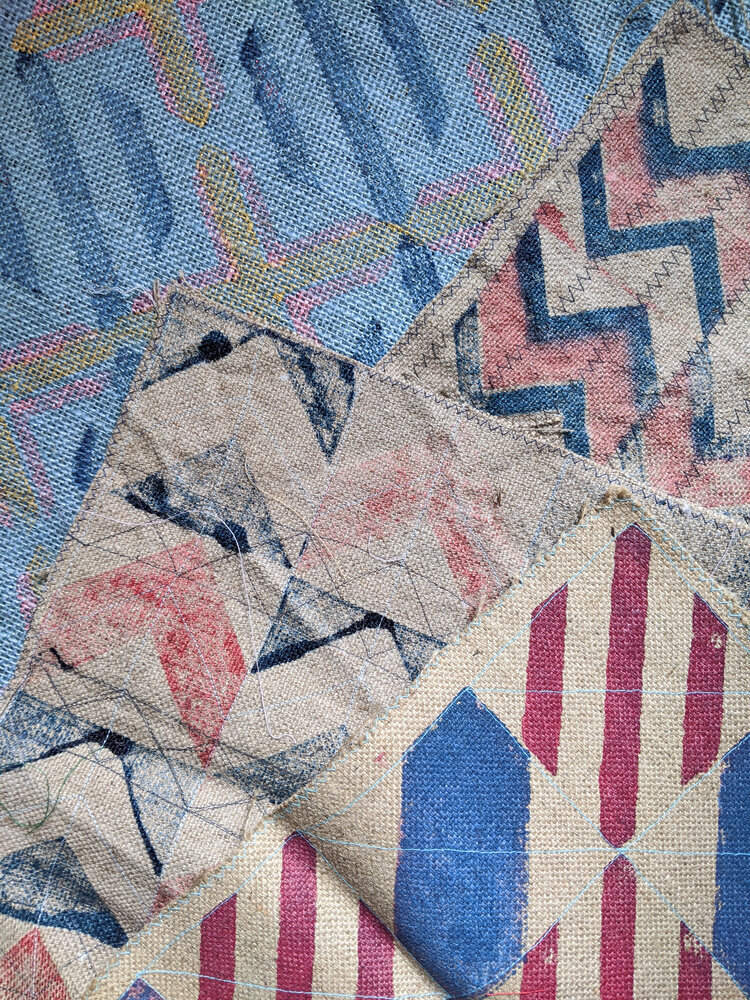
anyway, one of the base of zitozza was a uni project called “anthropocene” where one of the three collection called “GRIDS” consisted of block printed jute (now the SOROMPÓ, TRANZIT, FÁZIS and a small part of the SKÁLA tilesets). however each of these also had an extra “haptic” layer over the print and on the “GRIDS” collection these were stitches.

the main inspiration behind these initial patterns were of course actual grids, transport networks, cranes, gas tanks, industrial architecture, signals and signs, that kind of stuff. so naturally, more lines, straight and zigzag stitches were applied for that kind of “wiring” effect.

i’m going to put some products with these surface effects up for sale in the coming weeks to test and see how you’d like them. below then is the picture gallery of these older ideas. these are all from that old project (hence the aligning colours) with the more grid-like tiles, and linear or zigzaggy stitches that complement the surface. the colour inspiration came from industrial signage too at the time but i just love the nautical effect of these.

as for the future, i’m especially interested in this effect on the lampshades for the potential contrast against the illumination. what do you think? would this work on a rug? or a cushion?

and about the other, more brutalist, blocky patterns… combining embroidery with these is also possible, even with different colours and bolder areas, however these will be an entirely new category of haptic, tactile rugs and lampshades and cushion. see also the BRUTEJUTE project and watch this space….! :)

BEHIND THE SCENES, WORK IN PROGRESS, ZERO WASTE, SUSTAINABILITY

cushion stories (inside the scrap bag)

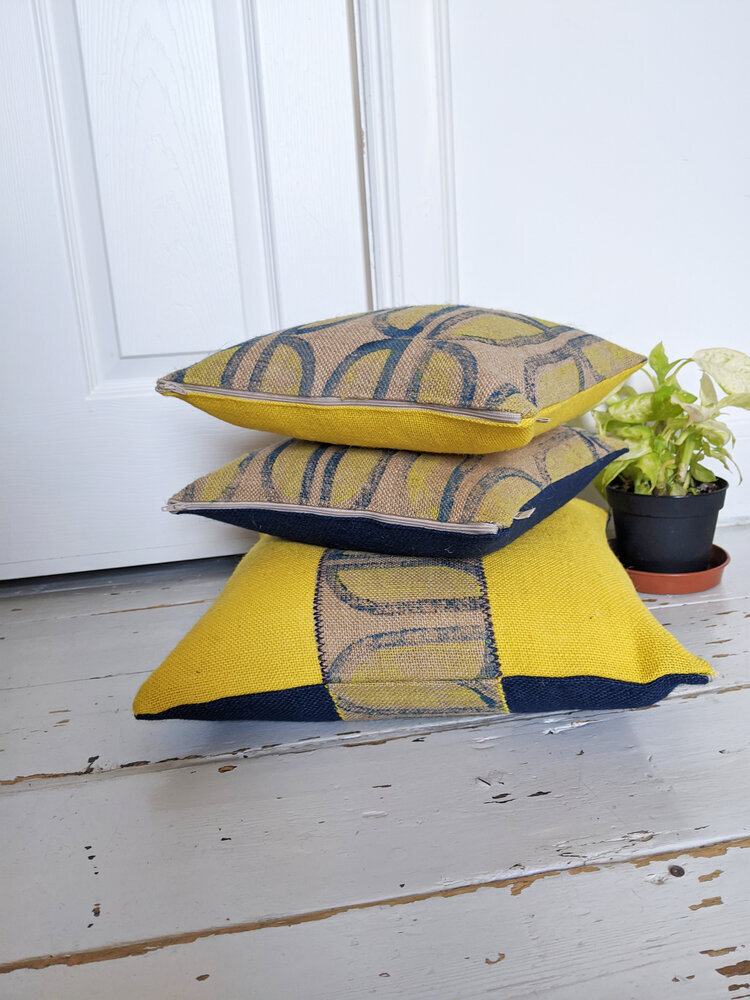
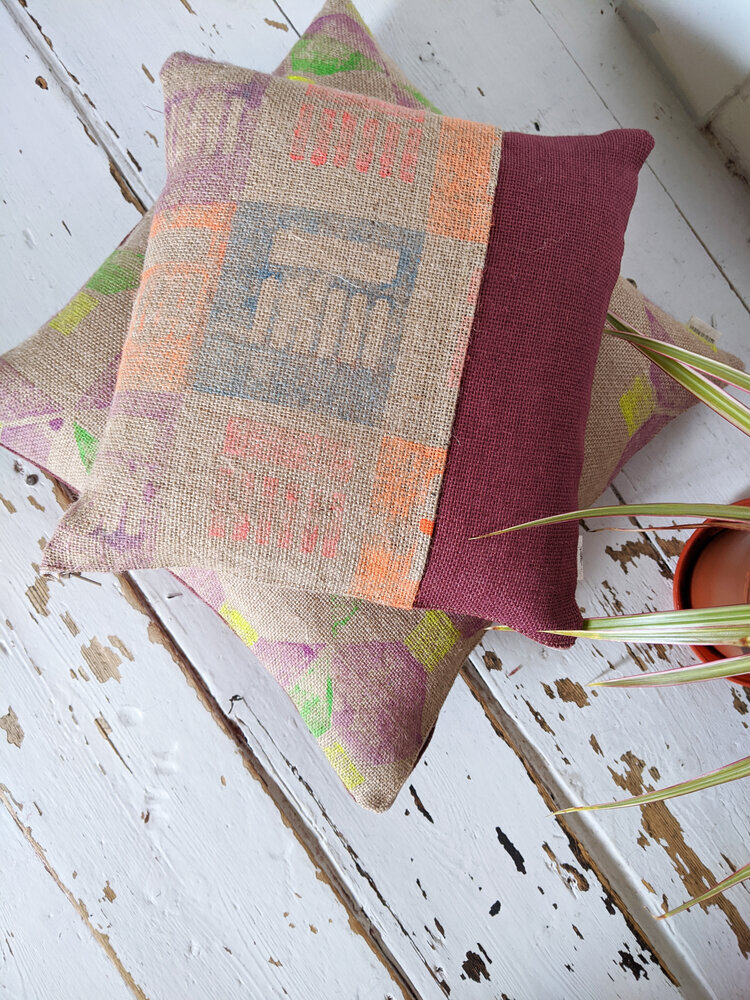
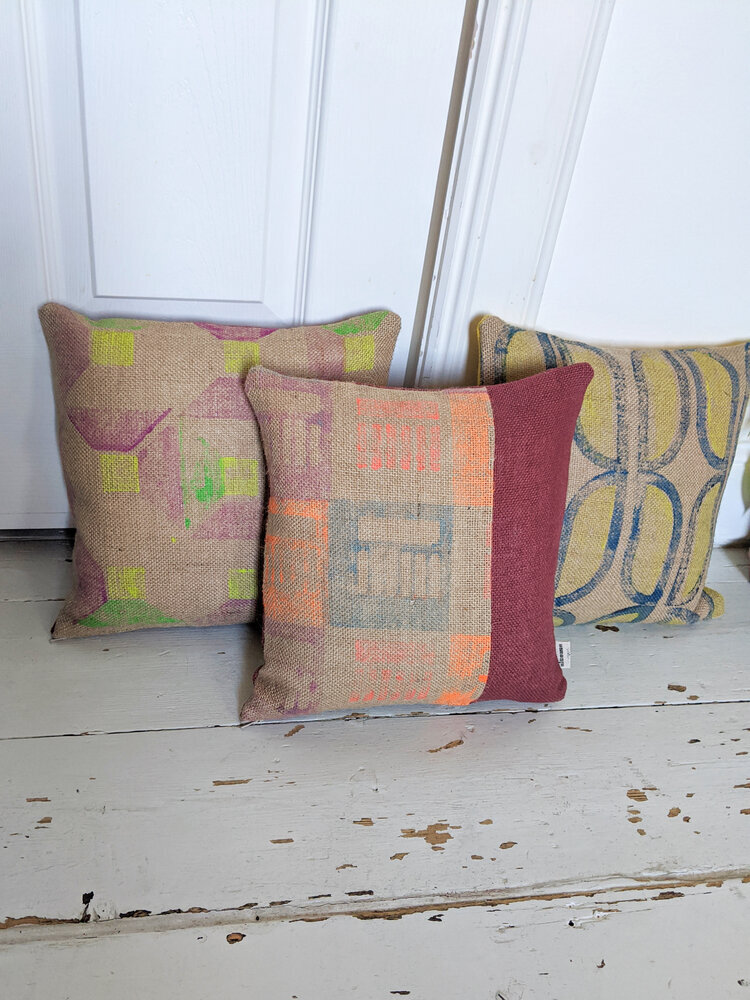
ah september, we’re well and truly open, and getting into autumn already (crazy). i hope you’re enjoying browsing the shop so far - thank you for the many follows on social media! we will always have regular updates in this blog too, and there’s an exciting product pipeline in the works i’d love to share news about. i’m going to attempt a picture blog this time and i’ll let the photos do the talking. the first of this kind is about our new cushions - some available since monday, some you’ll see a sneaky peeky of here first!

about the ones available: thank you so much for all the positive feedback on the two NOMÁD ones. feel free to purchase, i’m going to make them again, and if it’s out stock, they will be available in the made-to-order section. i personally also love this pattern and i’m thinking of trying it out in a few different colours and printing it as a runner rug as well. would you be interested in it?

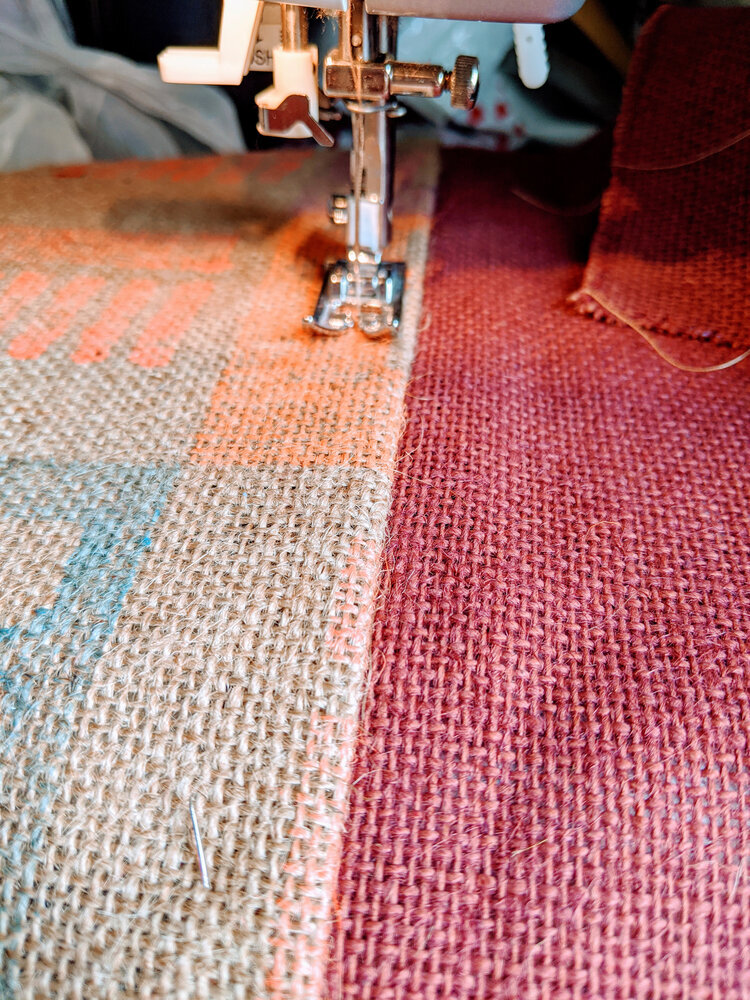
about the cushions in general… you might have noticed, only one at the moment is purpose printed with both sides, and most are backed with a pre-dyed piece of jute. this will not always be the case as some printed fabric is waiting to be made into cushions. but the truth is… the scrap bag is a little bit too distracting and it is just so much combining remnants from lampshades or other cushions with all these colours (and with each-other in the future too!)

using the scraps is also a creative way of going zero-waste. i’ve become religiously obsessive about this and i want to be honest with it. scraps and remnants in our production line don’t just happen with pattern cutting, but i use up the dye as well if it’s a mixed colour and can’t be put back into the jar. if it’s enough for a small area, it gets printed and used up! this makes some cushions a truly unique, one-off piece. i hope you come back frequently for them!

but anyway, enjoy the pictures!

BEHIND THE SCENES, WORK IN PROGRESS, MODULAR SYSTEM

it’s all about the system

printing-block-set-brutalist-geometric-design.jpg

hello! and welcome to zitozza. we are now open and this is our first blog post. introductions are always awkward so let’s get it quickly over with. the intention of this blog is to keep it updating regularly, with all the latest research into our processes and thoughts that drive our designs, and of course news and developments around our studio. also, of course, to give a chance to look behind the scenes from time to time, share some inspiration and sneak peeks of up and coming products. so let’s start with a short introductory post.

so what is exactly do we do here at zitozza? first and foremost, surface pattern design. however i understand that’s a little generic, given that the “surface” at zitozza is made exclusively of jute, for its amazing, tactile texture and incredibly sustainable qualities. we mostly cover surfaces in the modern home such as rugs, lampshades and cushions and these products showcase the variety of patterns possible with the printing blocks. (although you can, for sure, make bags and other things of our fabrics too (and if you do, please share!)

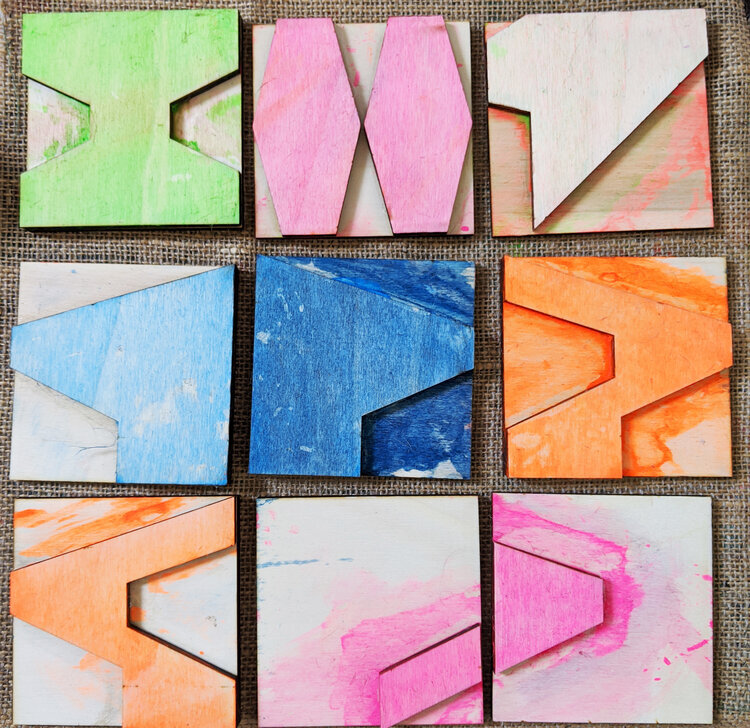
and yeah, well, pattern design must be specified further too. we don’t just offer separate patterns in defined colourways, no. here’s the interesting bit: the zitozza look is all one system! not individual designs, not separate collections (okay, a little bit), but it’s all about the system. our patterns are made of (mostly) uniform sized, square shaped printing blocks, creating the system of interchangeable, infinitely combinable designs, and you can make it as simple or as complicated as you want. they are separated into MODERN and HERITAGE, the former consisting of brutalism-inspired, geometric elements and the latter a bit more organic and tradtional, but all arranged in an orthogonal geometry that’s unique and defining our look.

this system allows us to create an infinite number of pattern with the same printing blocks in individual colourways, suited to your taste and surroundings. because of the flat, square shapes of our blocks, we call them tiles, and instead of collections, we call them tilesets, because they are not a collection, and it’s all one system. we don’t have collections in the sense of metres and metres of the same pattern and even samples are made to order because the hand printing makes a deep level of customisation and exclusive designs possible.

apart from having immense fun making them, we want to be able to offer unique designs and something that can be varied further in a single room but remains in the same modern, hand printed style of course that we define as the “zitozza aesthetics”.

what we want to offer to the modern home is colours, play, and nice, durable things that didn’t cost the earth.

so why don’t you browse and discover for yourself what’s available? explore our “collections” or make up your own design with these blocks.