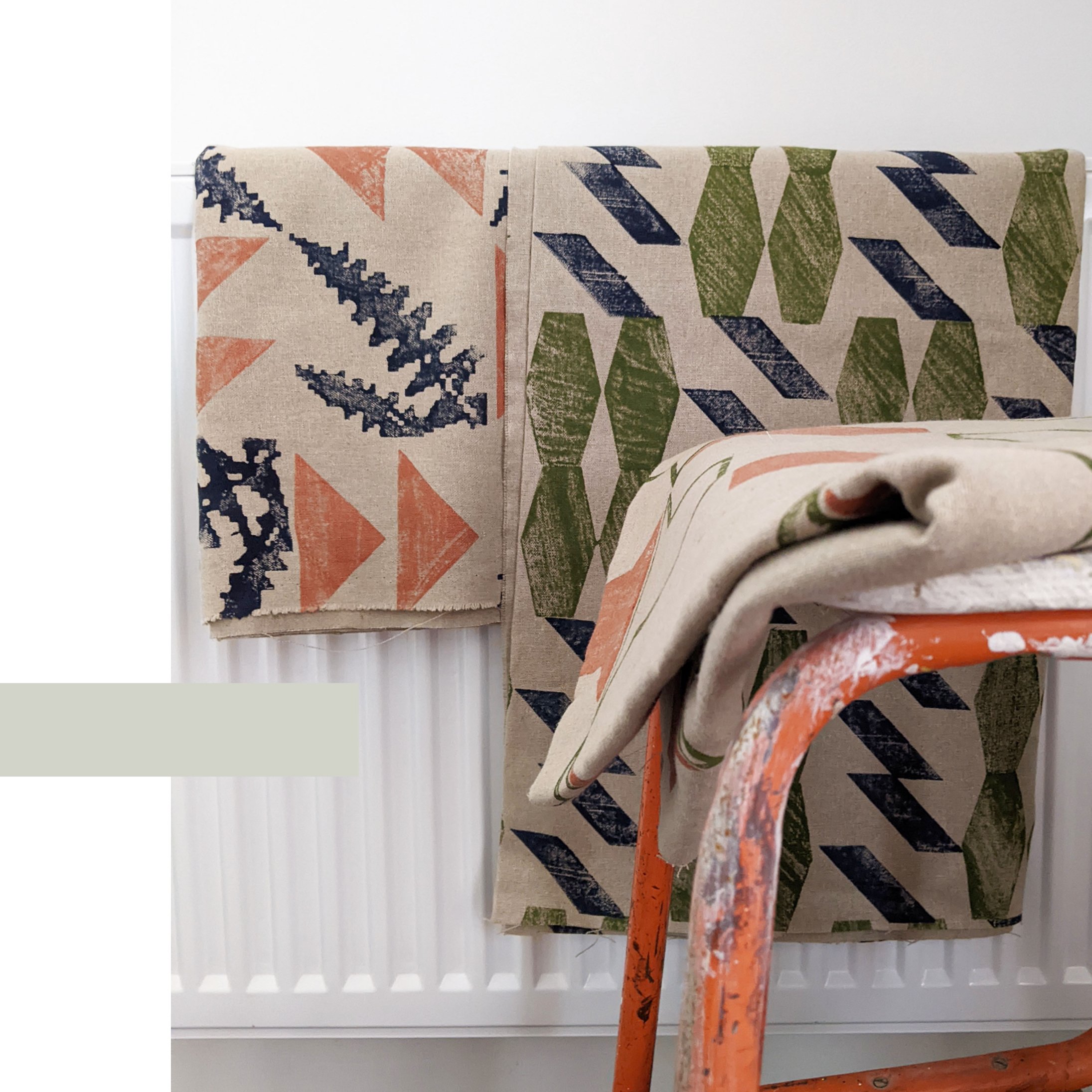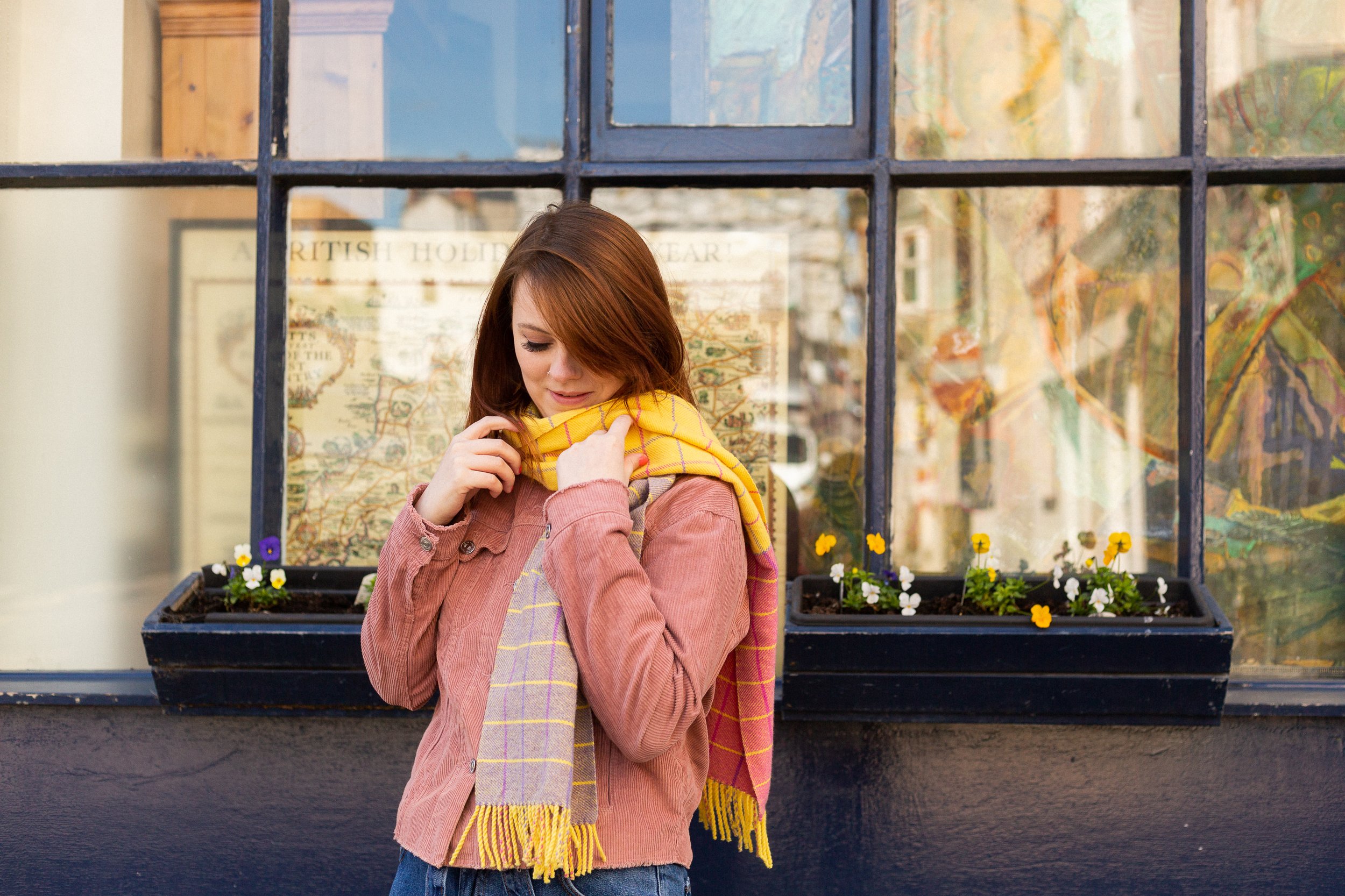
BEHIND THE SCENES, SCOTLAND

festive market double header weekend!

hello dears, it’s that time of the year again, can you smell the cinnamon and see all the sparkles? it’s festive season time and we do have some nice ones lined up this year again. unfortunately we will not be doing any in glasgow this winter, but for all of you my glaswegian friends, feel free to browse the online selection, we are putting up a lot of the smaller gifts yea as well.

but for those of you in dundee and edinburgh (the first festive one in the city for zitozza!), you can come and get your hands on the tactile goods (and dig into the bargain basket!) as there’s a lovely little line-up of two consecutive weekends.

DCA CRAFTED - 26th & 27th november at the dundee contemporary arts
11:00 - 17:30 (152 nethergate, dundee, DD1 4DY)

the first one is just around the corner, in the city of jute of course, we wouldn’t miss this for anything. this is a fabulous line-up of the very best of contemporary scottish design at a true creative hub. this venue has creative workshops, cinemas and exhibitions so if you’re that kind of crowd, please do come along and have a chat! we really look forward to it.
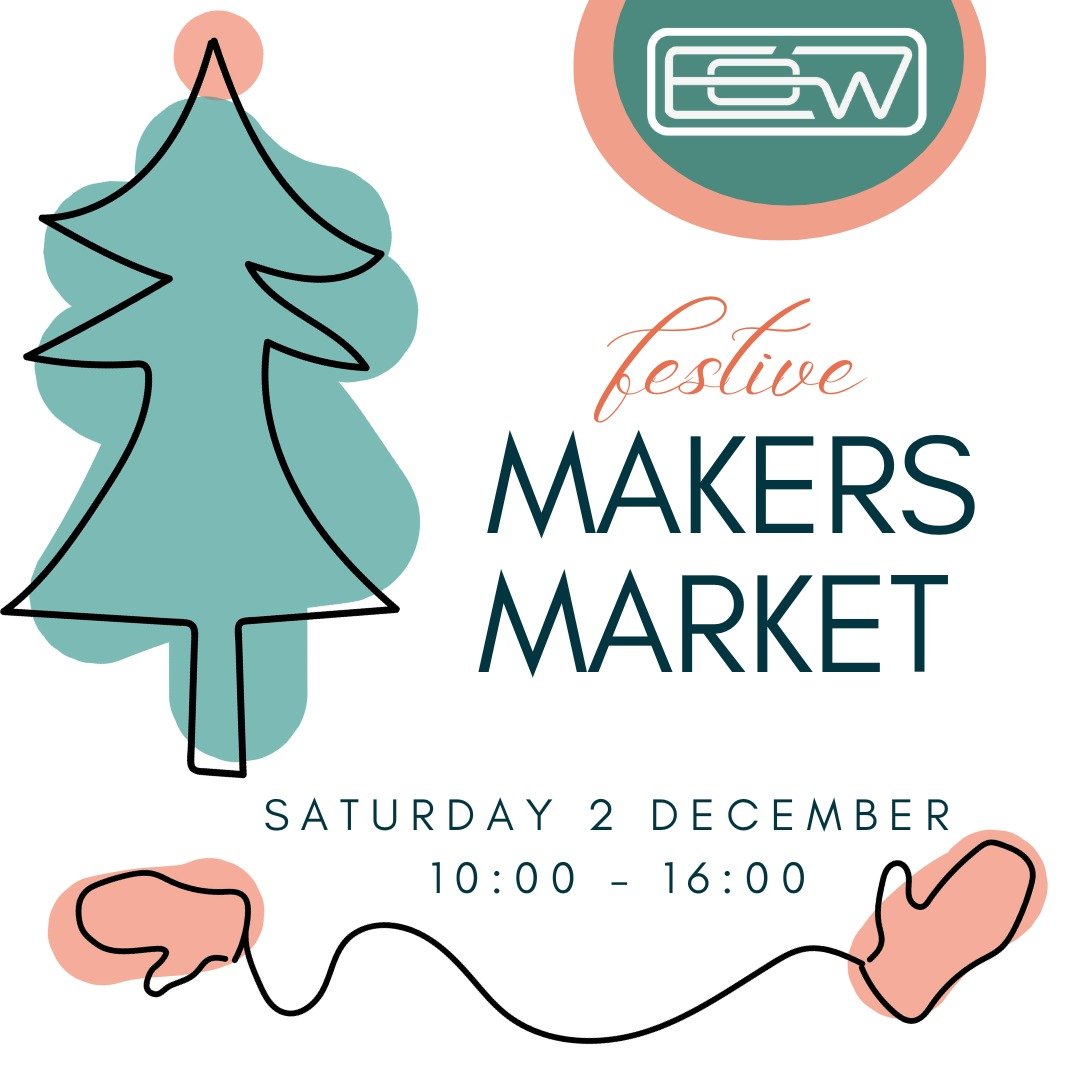

festive makers market - 2nd december at edinburgh open workshops
10:00 - 16:00 (39-41 assembly street, edinburgh, EH6 7BQ)

this one is brand new, and we’re particularly excited about this one because for the first time for christmas, we’re heading to edinburgh, to leith to be more precise, the new creative hub of the place! i particularly look forward to meeting the creatives who know about and use edinburgh open workshops as i’ll be joined by furniture makers, woodworkers and other craftspeoople and can’t wait to buy something beautiful too!

so i hope you’re able to join and see us in either dundee or edinburgh - glasgow, aberdeen, and fife, i do hope to see you sometime later, but the online shop remains open 24/7.

if you want to buy anything bespoke or made to order, please place your purchase by tuesday 12th december as after this date, we might not be able to send with enough time before christmas to arrive. regular orders will be shipped right up to christmas, but please be mindful of courier services being overwhelmed and give your order slightly more time than usual.

happy shopping and do have a wonderful, wonderful christmas and all the very best for the new year.
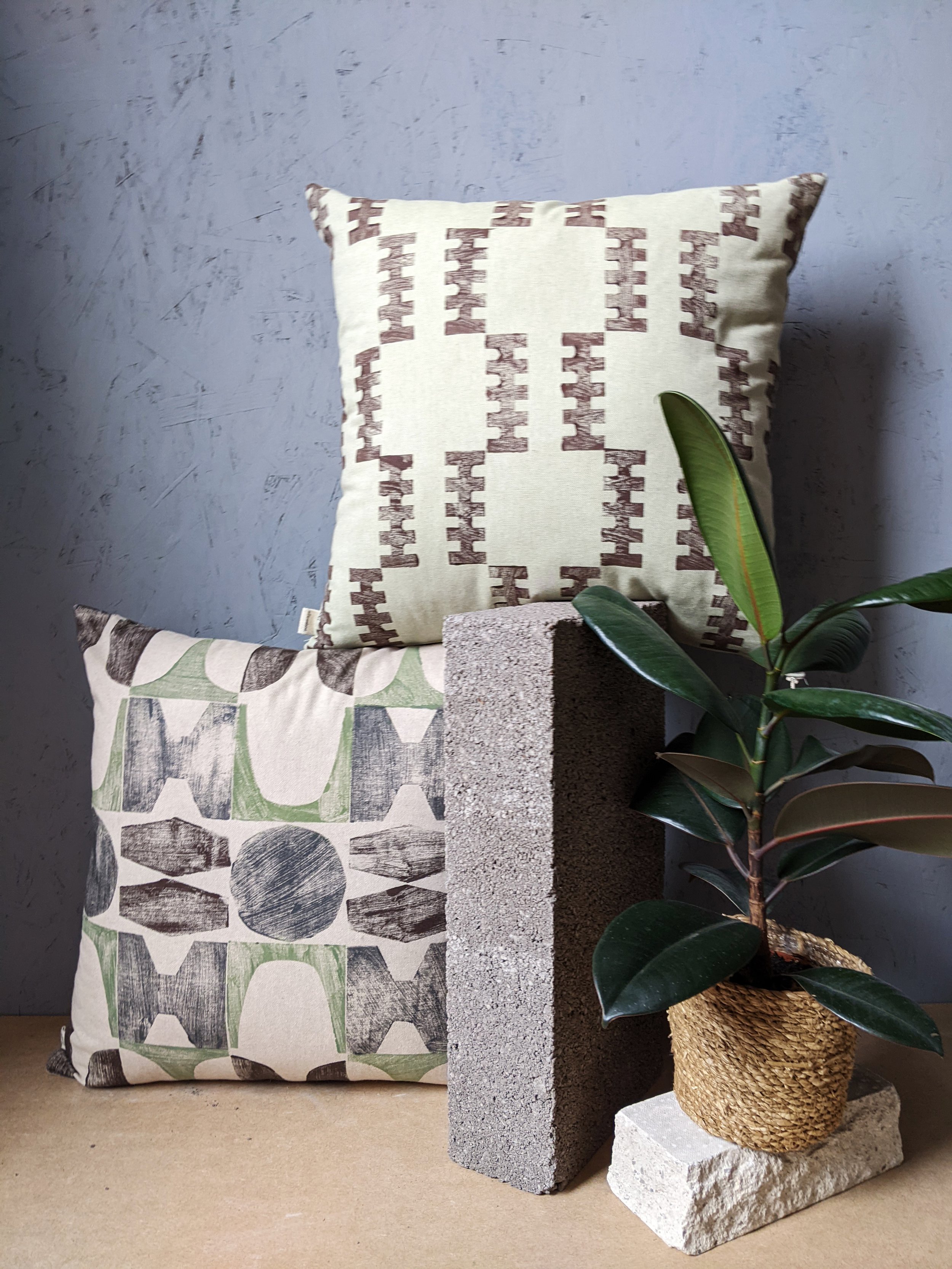
SUSTAINABILITY, TEXTILE INDUSTRY

in response to the draft uk fire safety regulations of upholstered products

today’s blog post is going into some fabric nitty gritty, but bear with me because it is an important topic. i wrote about it before - my early blog post on the uk fire safety regulations do get some reads from search results still. i wrote it in frustration with the regulations, and how they stifle product development of more sustainable fabrics for upholstery. even though i tested my jute for treatment to meet the stringent testing criteria, i did really become rather uneasy about the amount of chemicals needed, so i introduced 100% recycled linen in my range, as well as recycled cotton blends with over 75% cotton content in order to be able to at least supply upholstery fabrics as these can be used with a schedule 3 barrier cloth.

these stringent regulations have been in place since 1988 and just like to you, blog readers, elsewhere in the industry it became clear that these are dated and the benefits of flame resistant treatments are eclipsed by the harm they cause in creating toxic fumes and causing health problems. as this has been getting more widely accepted, pressure grew on the uk government to update the regulations which has now reached the stage of a new draft (embedded below) and unfortunately it does not seem to be fit for purpose - while the intention to reduce chemical use is clearly there, it would result in more usage, mainly due to the open flame test requirements.

the simplest solution to the chemical problem would be to drop the requirements for open flame testing, as it has been done in the EU and even the US. instead, the requirements focus on the transparency of materials, treatments of them and robust labelling requirements to list all chemicals used. that in itself is laudable, however the testing and record keeping of all the details throughout the entire supply chain would be put entirely onto the manufacturer of the upholstered product.

the proposed draft regulations published by the uk government in october 2023.

this would most certainly put a huge pressure on a lot of small businesses, disproportionately disadvantaging the re-upholstery industry, upcyclers and small upholsterers of individual products - while producers of large batches would of course find it easier to comply. somehow even more worryingly, anything re-upholstered should either have the 1988 or 1980 safety labels on them making any vintage or mid-century re-upholstered piece basically forced to be removed from the market. this goes against all sustainable principles and against the preservation of design values and ideas of durability.

more concerningly to us (and worse than in the current regulations), any scatter cushion over 45 x 45cm would now also count as an upholstered product, requiring the permanent label and applying the same rules onto them.

it is my view that these draft regulations are not fit to achieve their stated purpose. it would lead to increased use of chemicals, not less and would disproportionally hurt ecologically minded small businesses as well as the entire market of bespoke, individual furniture. it is, in my opinion, also harming consumer health and safety - robust labelling of course would be helpful to make a conscious choice, but while the requirements to pass an open flame test remain, it would be difficult to avoid these chemicals completely.

the government ran a consultation on the proposed legislation, i found out about it on the last day but i did have at least enough time to sign the eco-chair campaign - it’s a very useful site run by delyth upholstery, please sign up and read more in detail of the current problems as well as the potential pitfalls of the proposed regulations. although the consultation is closed now, you can still get in touch about this with your MP if you’re worried about the future of furniture and interior accessories in the UK.

-

links:

smarter regulation: fire safety of domestic upholstered furniture (closed consultation, uk government)

furnitre and furnishings (fire) (safety) - draft regulations october 2023

the eco-chair campaign

do flame retardants increase the risk of thyroid dysregulation and cancer? (hoffman et al. 2017, curr opin oncol 29 (1) 7-13)

no smoke without fire and lower toxicity without chemicals? (8th september 2023 FIDRA website)

INTERIOR DESIGN, INSPIRATION, BRUTALISM

the new brutalism - how to embrace the trend at your own home

hello again, it’s been another month long pause at the blog (sorry!) as we’re trying to prepare for the festive period while juggling a lot of things at the same time, including a new collection that might come before the end of the year and will be our most brutalist one yet! one of our cushions have also been included in a fabulous brutalist selection by gadget magazine t3.com, so the trend forecast was correct and it’s officially in again. i thought that to celebrate this and to get in the mood for the up and coming new collection, it’s time to share some interior tips on how to bring the brutalist forms indoors, with its bold forms and raw, industrial aesthetics. it is more than just an architectural trend; it's a statement. if you're looking to infuse your living space with character and go bold and brave, embracing the brutalism trend might be the answer. in this blog post, we'll take you through some interior design tips to help you achieve that unique, edgy look while maintaining comfort and warmth in your home.

simplify and minimise

this isn’t a call to go full-blown minimalist, but decluttering your space will give the accent pieces the “main character” status they deserve. brutalism thrives on simplicity and clean lines. remove the noise and leave room for your bold furniture pieces and some accent accessories to shine. if you have exposed concrete walls, you’re already there. bring in some stark geometric shapes, and a muted color palette.

hug the concrete (duh, obviously!)

this isn’t exactly breaking news, but concrete is the hallmark of brutalism. if you can't expose your walls or floors, consider concrete-inspired wallpapers or textured paint finishes. you can also introduce concrete furniture or accessories to capture the essence of this trend.

lighting drama

i think this is my favourite. i’m a huge fan of interesting shadows and you can add great depths and warmth to your space by illuminating it with statement lighting fixtures. oversized pendant lights, angular sconces, or floor lamps with sharp lines, and similar. these not only provide ample illumination but also serve as eye-catching focal points and ambience.

honesty to structures and materials

brutalism is part of the form follows function school, so this should be extend to furniture too. choose furniture with structural honesty and that will mean strong, angular designs. consider pieces with metal frames or exposed structural elements. a bit of tactile upholstery will balance the harshness of the concrete and metal elements.

abstract expressions

bare walls need not be alone. if you have room, a few, colourful pieces would both compliment the room and have the art stand out too. brutalism often celebrates artistic expression. large-scale paintings with bold, graphic compositions can add a touch of creativity to your space and celebrate the multidisciplinary nature of the modernist movements.

human touch

a lot of the bad rap brutalism gets comes from a perceived lack of human scale and harshness - but that’s not really what the movement stood for at all. do soften the hard edges, introduce textures and tactile qualities. cozy rugs, cushions, and soft throws in earthy tones can make your space more homely without compromising the trend's integrity. it can also mean hand crafted, imperfect elements against the more pure forms. (yes, i do mean hand block printed textiles, how did you know!)

green up

another misunderstanding about brutalism is the rejection of nature. it is absolutely not. the forms may not be organic, but city planners and architects used to have grand visions for huge parks, greenery under buildings and the like. so having lots of plants in your house is just an homage to that, really.

focus, focus!

in all this starkness, it’s quite a natural wish to have a designated a focal point in the room, like an impressive brutalist-style fireplace or a bold wall covered in textured panels. this draws attention and creates a sense of purpose within the space.

colour it in

brutalist buildings are raw and stark outside, but don’t forget about colours, they do have their role (unité d’habitation, anyone?!) so don't be afraid to experiment with occasional bursts of color. a vibrant artwork or a bold, colourful rug or lamp piece can be a striking contrast against the more stark backdrops.

so there you go, brutalism is certainly not for the faint of heart, but when done right, it can transform your living space into a dynamic, artful haven. it's a trend that encourages self-expression, challenges the norm, and celebrates the beauty of raw, unapologetic design. so, if you're ready to take a daring step in interior design, embrace the brutalist trend, and watch your home undergo a bold and beautiful transformation. we have a lot of things to offer you to achieve that, so do shop around!

DESIGN CONVERSATIONS, INSPIRATION, TEXTILE INDUSTRY, SUSTAINABILITY

in conversation with gina nadal of woven memories

hello again, long time no see - i’ve accidentally become a bit of a recluse recently, apologies. in the midst of all the usual busy things though (with new lookbooks and festive market preparations…), i do want to bring you some great posts to read about so i thought it’s time to have a brand new design conversation with someone truly brilliant – i’ve brought you here gina nadal of woven memories, who i first met last year at the CLOTH market in dalkeith. the geometric patterns on display with a computer screen really caught my attention and i had so many questions, so i thought why not have this fascinating conversation right now. so come sit down with us as we delve into process, materials and inspiration with gina!

photography by roxana alison

ZITA: hello gina! i’m very excited to speak to you today, so first things first - could you say a few words about yourself, what you do and how you got there?

GINA: hi zita, it's nice to speak with you. i’m a handweaver based in manchester, originally from barcelona. i moved to manchester in 2015 to pursue an MA in fashion graphics. during my master's programme, i developed the concept of "woven memories," which combines weaving and digital coding for three primary reasons. firstly, to celebrate the shared history of both techniques. secondly, to produce on-demand and reduce waste, challenging mass-production practices. thirdly, to create products that establish an emotional bond before they are made.

while there are numerous studies on the emotional connection people have with objects during or after ownership, there is limited research on how to design this emotional bond during the pre-ownership phase. this was my primary goal during my MA. by bridging these three areas, i encouraged people to use an online interface to write messages. the text was then transformed into abstract patterns by using binary code, which i wove into scarves.

following my MA, i secured a PhD scholarship to further research this area and contribute to knowledge. in 2022, upon graduating from my PhD, i decided to transition into a full-time venture and adapt my research into a business model. customers can now design their patterns by writing messages, and woven memories' online tool translates them into abstract patterns, which I then weave in my studio.

ZITA: what an amazing journey. i first encountered your designs at the CLOTH market in Dalkeith - as a pattern designer myself, your moving, animated display on your computer screen immediately caught my eyes. could you please explain a little bit about your fascinating process?

GINA: woven memories studio specialises in personalised handwoven homeware and fashion accessories. to personalise these items, the customer plays an active role in the process, becoming a co-designer of the final product. as mentioned earlier, customers can use woven memories' online tool and are encouraged to type a message. this message can be personal, contain the lyrics of their favourite song, or even a poem. while typing, the pattern is generated in real-time by translating the letters into patterns using binary code. once the customer is satisfied with the text, they can further personalise the design by selecting colours, adjusting the pattern repetition, or applying mirroring.

i believe these products are perfect as gifts for celebrating special occasions like birthdays and christmas, as well as for commemorating loved ones who are no longer with us.

photography by lauralaura studio

ZITA: oh yes, it is very giftable and i love the idea of translating words into the language of weaving. that makes me wonder, do sentences always come out as a workable weave or are there ones that work less than others?

GINA: certainly, some sentences result in more visually appealing patterns due to the way they stand out. for instance, the other day, i was experimenting with the online tool and wrote 'i love you' in different languages; armenian and punjabi produced patterns i particularly liked. however, i do have two favourite quotes. one is a quote from ada lovelace that encapsulates my research and the concepts behind woven memories: 'the analytical engine weaves algebraical patterns just as the jacquard loom weaves flowers and leaves.' another quote from victoria mitchells states, 'textile becomes a kind of speaking and for language a kind of making,' which i believe reflects what my products achieve—they convey messages on their own, and language brings them to life.

ZITA: that’s really beautiful, and i absolutely love the play with all the different languages! but did you ever encounter “bugs” in the process or find that certain sentences don’t make a good cloth? or do you ever find that you have to tweak the results in order to make it more aesthetically pleasing?

GINA: i haven't come across a sentence that doesn't work on the fabric, as each carries a meaningful message. sometimes, customers may only want one or two words, and in such cases, i suggest repeating the pattern to create more movement and variation. while i wouldn't say i need to alter designs, there are times when customers choose two colours, and i might suggest variations in colour or hue if i believe their initial choice may not work well.

photography by lauralaura studio

ZITA: as someone whose work integrates programming and computer systems at such a level, i feel i have to ask you, what’s your take on the latest developments in machine learning? it seems all the rage now, do you see it as a threat or do you see yourself in the future using it as a tool to create ever more complex patterns? i mean, are there even any limitations to a two-dimensional woven pattern?

GINA: i don't believe AI is inherently a threat. it's simply another new tool, but we must exercise caution in how we use it. we still have much to learn about AI and its short- and long-term consequences. only time will tell. however, i do believe that, in order for the field of weaving to progress, weavers and designers should explore the potential of AI and see what it can bring to us. i'm eager to see what other creators will develop with AI. certainly, i'll be experimenting with it, and whether or not i ultimately incorporate it into my work remains to be seen. However, i think it has the potential to expand my horizons and foster greater creativity.

to be honest, weavers have historically been early adopters of the latest technology, even dating back to the 19th century with the industrial revolution, which began by mechanising textile production.

ZITA: that makes perfect sense in the historical context of weaving indeed. now, having discussed the hyper-customisable patterns you can make from your client’s memories and words, i’d like to ask you about your own collections, which are very beautiful. were they made using the same way or did you use a more conventional design process to create these? where do you go for inspiration for your own collections?

GINA: when we met at CLOTH, i was showcasing two distinct collections: the "LOLI" collection, inspired by a particular individual, and the "RETRO" collection, which drew inspiration from nature (though interestingly, many remarked that the colours and patterns resembled vintage london public transportation fabric). the creative process for these collections differs from my usual approach, as i employed my small loom and 8-shaft tabletop loom, in contrast to my 32-shaft dobby loom. this shift in equipment imposes certain restrictions, but it's precisely these limitations that i find so appealing when weaving with my 8-shaft loom.

i continue to work in blocks, as I believe this defines my distinctive style. weaving offers an array of infinite possibilities and techniques, but there's never enough time to master them all. consequently, i made the deliberate choice to focus on one style and excel in it while remaining open to ongoing learning and exploration.

photography by lauralaura studio

ZITA: serious food for thought here, perhaps i need to learn making such choices too… anyway, i also want to talk a bit about sustainability as the textile industry in general doesn’t have a great reputation when it comes to that but in your work, you seem to be very conscious – design for durability and zero-waste principles seem to be all over your work. do you find them important for your work? do you see a demand for these from customers too?

GINA: absolutely, sustainability holds a crucial place in woven memories' core values. from the inception of the woven memories concept during my MA, sustainability has been an integral part of the vision. weaving on-demand is a central practice, avoiding mass production and significantly reducing the waste often associated with fast fashion. i believed that if I were to establish a business from the ground up, it should adhere to sustainable principles right from day one, and this commitment drives me to keep learning and improving.

continual research and exploration open doors to new opportunities for minimising our impact on this beautiful planet we call home. reducing waste is a priority, but i also embrace recycling, such as repurposing yarn from other mills after their production, effectively preventing it from ending up in landfills. this practice aligns with the ethos of 'rescuing yarn,' as advocated by shiv textiles. additionally, i recycle materials from previous projects to craft new items for our zero-waste collection. even with threads that can't be repurposed, i store them until they find a new home. just last week, i shipped my first box to sandra junele, a textile artist known for recycling threads to create stunning wall hangings—her work is definitely worth exploring.

i'm doing my utmost to minimise the negative environmental impact of my studio. while i make an effort to use locally made packaging materials with a focus on recycled materials, the next challenge i aim to address is packaging and shipping to further reduce our ecological footprint.

ZITA: it’s very inspiring to see so many textile practitioners making all these efforts, love it! now, there are some questions i ask from everyone – i want you to recommend me a book or an artist whose work is worth checking out!

GINA: that’s a great question! i can offer both a book recommendation and introduce you to an artist.

for a captivating read, i suggest ‘the fabric of civilization: how textiles made the world’ by virginia postrel. this book brilliantly combines the realms of textiles and history, making it a fascinating choice, especially if you share an interest in both subjects.

when it comes to an artist who seamlessly merges music, digital coding, and weaving, you might find the work of beatwoven intriguing. her innovative approach and unique fusion of these elements have made her a significant influence in my own work. exploring her creations could provide valuable inspiration and insights for your own projects.

photography by lauralaura studio

ZITA: fantastic, i will definitely check them out. and lastly, but most importantly, what are you working on at the moment? where can we see your work now and where will see you next?

GINA: i’ll have a busy schedule for the next few months, i’ll be in the london design fair during london design week in september, followed by the great northern contemporary craft fair in manchester in october, and concluding with handmade in chelsea in london in early november. hopefully, i’ll meet new makers, lovely people and see you there!

ZITA: oh i’d love to come to some of those! thank you so much for your time.

GINA: thank you for this lovely time with you.

-

links:

woven memories website

woven memories on instagram

london museum of transportation - the moquette project

shiv textiles website

sandra junele on instagram

the fabric of civilization: how textiles made the world - virginia postrel’s website

beatwoven website

london design fair website

great northern contemporary craft fair

handmade chelsea

SCOTLAND

summer market double header!

hello again, we have a very nice announcement to make - just a quick blog post to announce our latest market round up. and we have a very, very nice double header ahead in our favourite scottish venues in edinburgh and then glasgow! celebrate the summer with some colourful block prints and browse all the loveliness scotland’s designers have to offer.


19th - 20th august - dovecot studios, edinburgh

first up is our bestest most favourite venue in scotland, the dovecot studios in edinburgh. this fabulous venue will be home to a fantastic line-up of local makers, curated by support the makers. the dovecot is also a fringe festival venue with exhibitions and of course, their lovely café and shops so do come along.


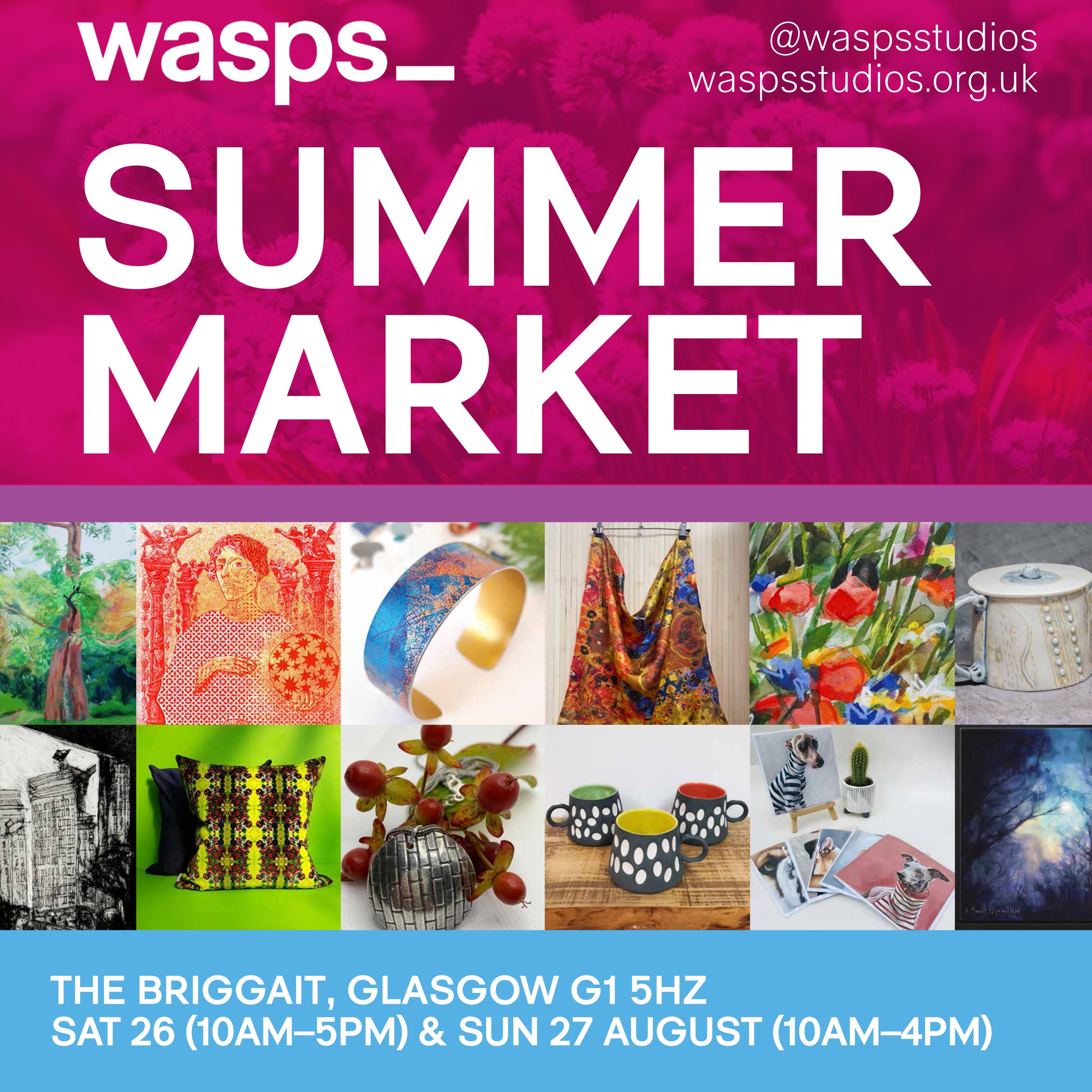
26th - 27th august - the briggait, glasgow

and afterwards, our favourite market returns. we absolutely love coming to the wasps studios markets as these markets are always very well organised and lovingly curated with some of the most engaged, creative audience of shoppers. it’s just a great experience all round and i can’t wait to talk to visitors and browse the lineup again. do come along


after all these fairs we will take a little break before we come back in the autumn and winter - but our shop remains online always so do browse our collections and let us know if we can help with anything at all. happy browsing!

INTERIOR DESIGN, INSPIRATION

how to freshen up an industrial interior look with zitozza

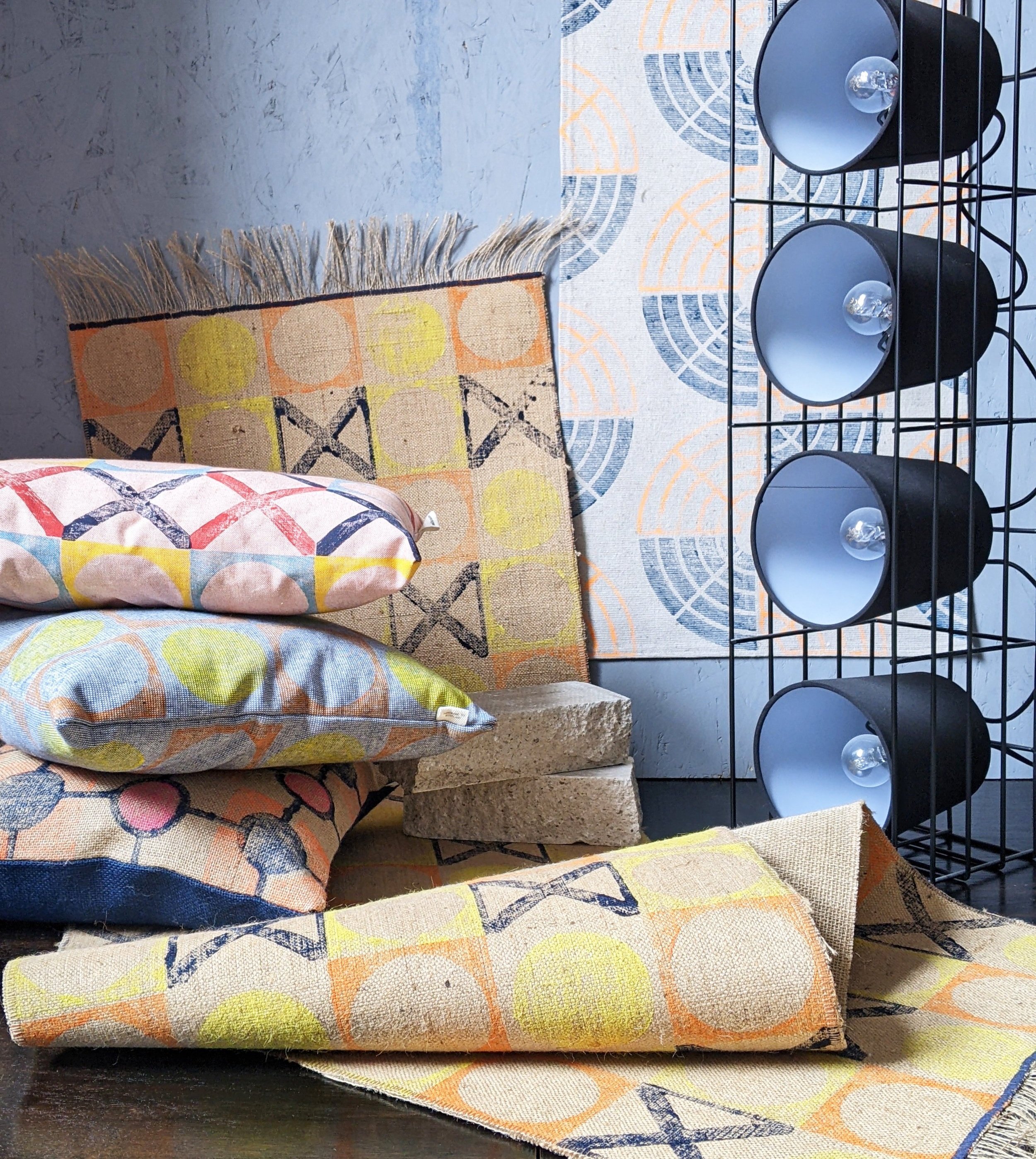
oops, another month went past way too quickly… sorry we haven’t noticed, we were too busy with our brand new lookbook, to get it all ready for the height of summer, when our corner of east fife comes to life… we have new nautical looking, industrially inspired home accessories for your summer house! how do you like it?

the thing is, during my research for the yearly article on interior trends, i encountered a few times the idea that he “industrial” (or “farmhouse” or “warehouse” or however-you-wanna-call-it) styles are losing their appeal. but fear not! in this article, as part of our newly launched interior design series, we’re going to bring you some tips on how to revive this look to keep it contemporary and up to date. so what can we do?

freshen up your colours

give the industrial style a burst of energy by infusing colours - be daring, go with primary! it’s an homage to the constructivist movement and the abstract expressionists, a perfect fit for this look. introduce elements of lemon yellow to the nautical theme, vibrant reds, or striking blues to add a contemporary twist. the interplay of bold hues against industrial backdrops creates a visually stunning and refreshed ambiance.

artisanal touches

embrace the artistry and authenticity of artisanal touches. incorporate handcrafted textiles, like cushions with geometric patterns or artisan-made wall hangings, to infuse a sense of human connection. these unique touches elevate your decor, adding a personal and timeless allure to your space and soften the harshness of the industrial look (e.g. if you have any exposed brickwork - hand printed fabrics or wall hangings would be a great way to soften that texture without hiding them!)

green up

breathe life into your industrial-style haven by introducing fresh greens and plants. potted plants, hanging gardens, or vibrant indoor greenery add a touch of nature to your urban oasis. the juxtaposition of greenery against industrial elements enhances the appeal of your decor. bringing the outdoors inside is very much “the thing” to do - so you can do it too. and you can also add green as a colour to your space by simply picking fabrics in these hues.

texture play

ok this is a bit like point 2 but a bit different. you can create a harmonious balance by blending raw and polished finishes. combine exposed brick walls and distressed wood surfaces with sleek metal or glossy accents. the marriage of rugged textures with refined elements adds depth and sophistication to your space.

statement pieces

go bold, go big, go personal. one way to avoid going your interior style out of date is simply make it yours, and yours only. express your individuality captivating statement pieces. add striking art, bold prints, statement rugs or unique sculptures that reflect your personality and style. a well-chosen statement piece becomes a focal point, drawing attention and injecting character into your industrial-inspired space.

cosy up

these trying times have grown the appetite for softness even in those with a hardcore taste in exposed structural beams and raw concrete. but you don’t have to bury it all for a touch of comfort - layer your rugs for warmth and invest in a soft, woolly throw to hug you on a hard day.

so i guess, while there are whispers about the industrial style going out of fashion, the truth is that you don’t have to embark on an expensive adventure of redecorating just yet. you can revitalise the look you fell in love with in the first place with a few well-chosen updates. embrace vibrant colours, add a hand crafted touch, fresh greens, and layer up for cosiness to keep your decor move with the times. let your creativity flow and enjoy the process of reinventing your space with a fresh and invigorated perspective. and i hope you enjoyed these tips - if you’d like to read more of these, subscribe to our newsletter below to be the first to read about our next one.

-

links:

“is the industrial aesthetic going out of style? by kevin phenney, house digest, september 2022.

home trends to leave behind in 2023 by blair donovan, apartment therapy, december 2022.

ARCHITECTURAL HERITAGE, ARCHITECTURE, BRUTALISM, INSPIRATION

palace of justice, lisbon

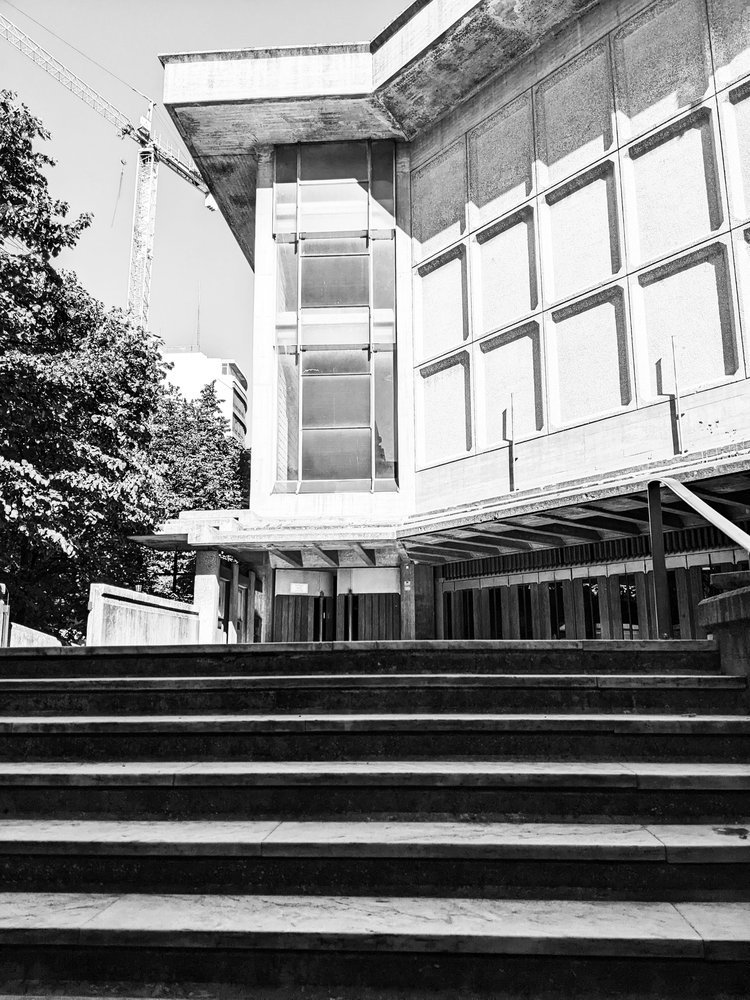
as a textile designer, i spend a lot of time thinking about surface — how it behaves, what it suggests, and how it feels. when i travel, i often photograph brutalist buildings not just for their form, but for their surface logic — how repetition, rhythm and materiality work together. the palace of justice in lisbon is one of the most quietly decorative buildings i’ve seen, and it’s shaped a lot of my thinking about how concrete and cloth can speak the same visual language.

it’s been a while since we’ve last embarked on an architectural inspiration journey, but holiday season is coming up, so i thought i’d give you a little tip, to visit a wonderful brutalist building in one of my favourite cities. the city is lisbon, portugal, where i showed you a beautiful church before, and this time we’re going to court! okay, nobody’s going to get sued, we are just going to admire the building. the palace of justice stands as a testament to the unique approach to brutalism by the portuguese. join me on a short walk around this gem!

the building was designed by januário godinho and joão henrique de breloes andresen and built between 1962 and 1970. it is in the SOS brutalism database but thankfully it is not currently in danger as it is used as the main court. it stands at the head of parque eduardo VII, a peaceful, green patch in the centre of the city.

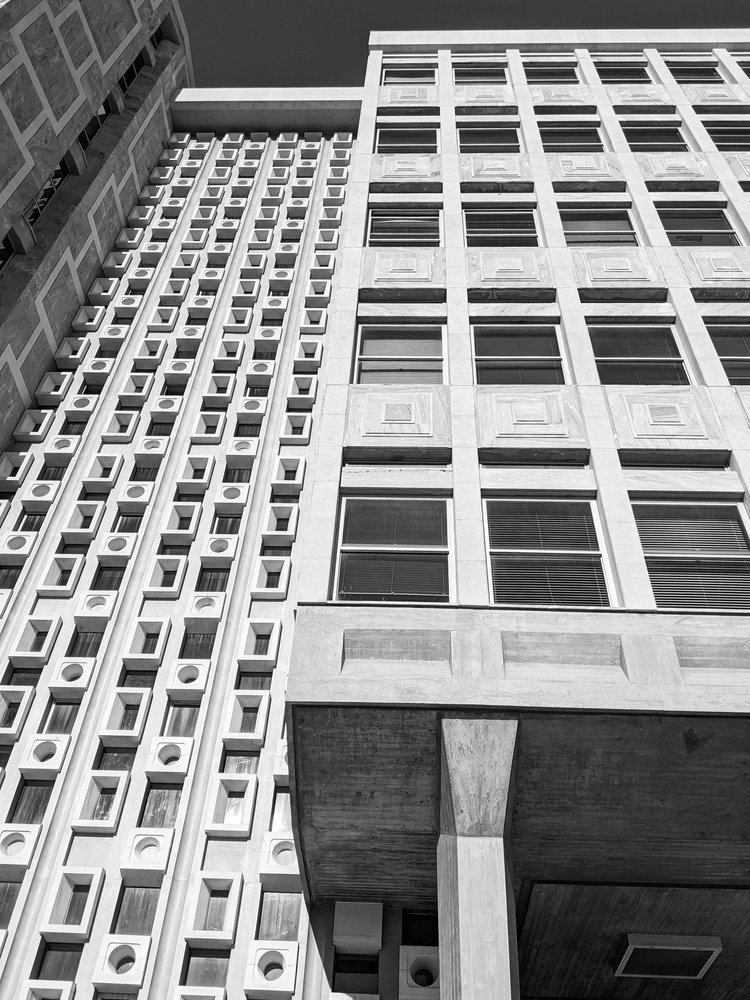
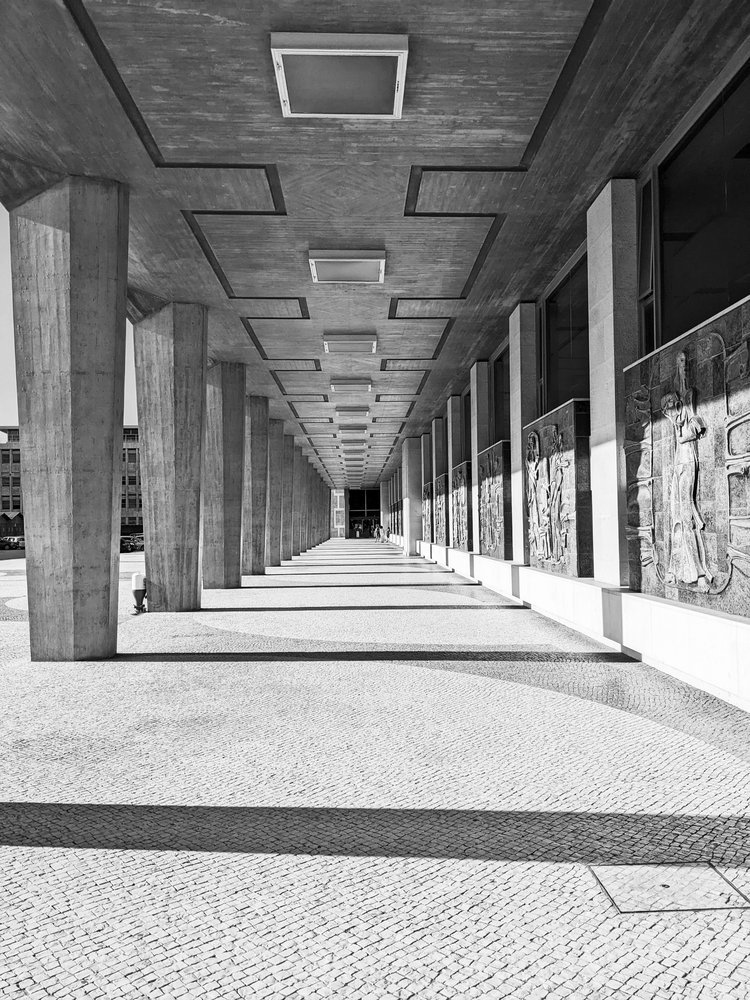
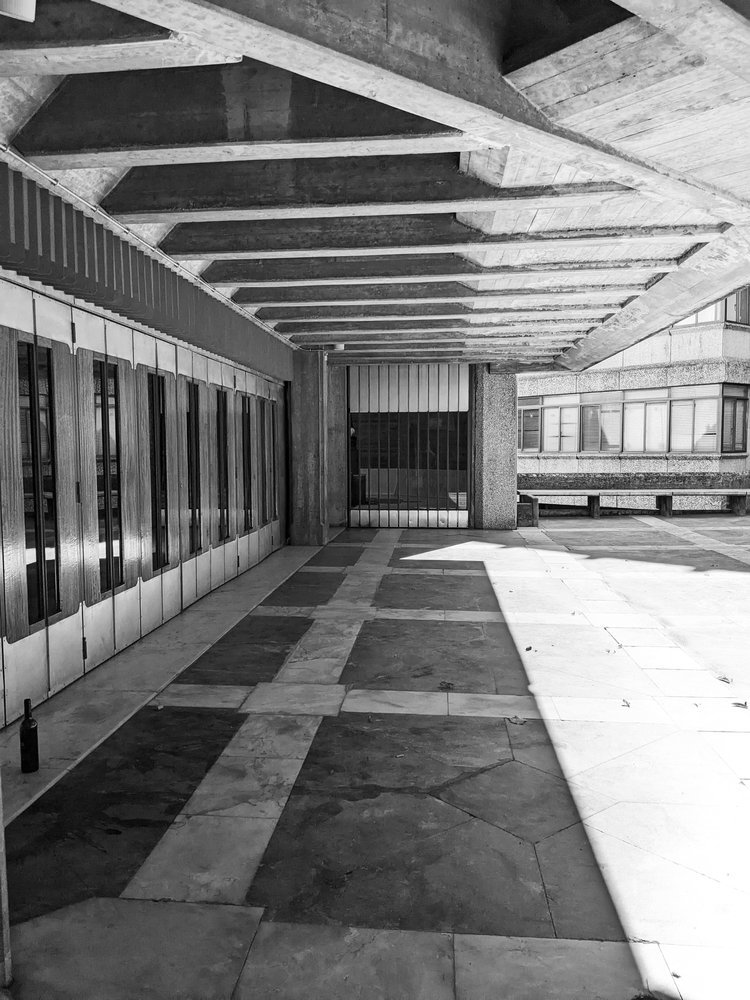
it has everything a brutalist marvel should have - the skillful blending of monumental proportions and robust materials - it is a long building with concrete columns supporting its cantilevered facade on all sides. because of that, it looks lightweight that is slightly lifted off the ground, and it does have this uniquely portuguese take on brutalism: the concrete facade here is not raw or imposing - it is incredibly decorated, light and airy, punctuated by geometric patterns and rhythmic textures, corresponding to the delightful tiled surfaces this country is so famous for.

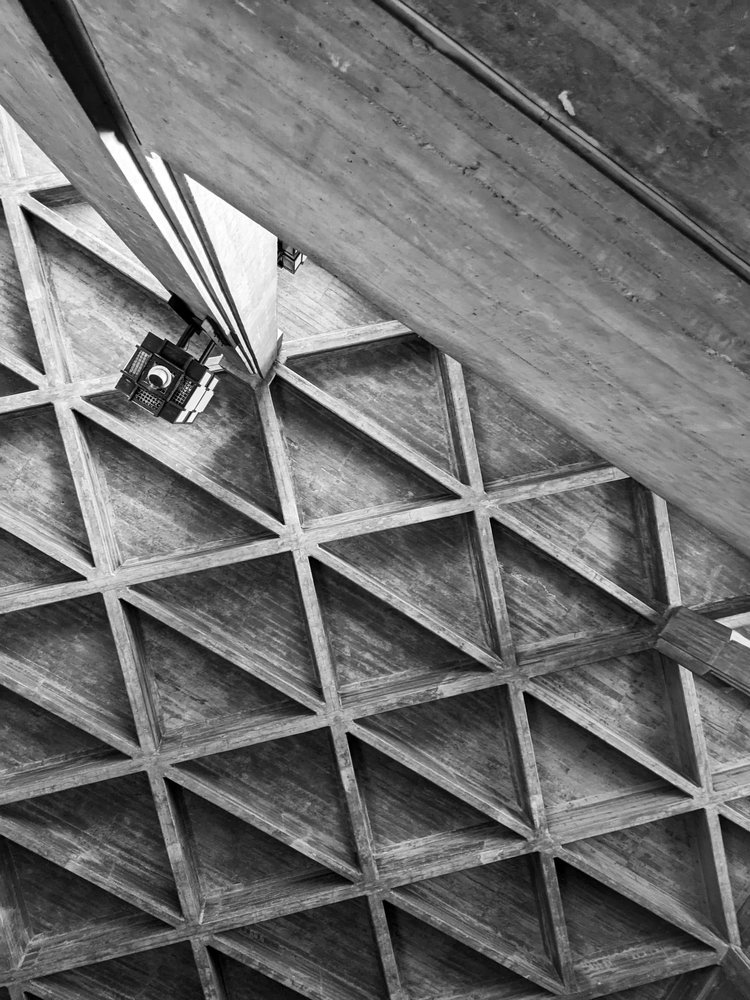
the structure and the shape of the supporting columns create an interesting rhythm, and it is this frequency and rhythm that i find so relaxing. the concrete here is not raw, it is processed and organised into intricate, detailed patterns that pierce through the facade.

obviously it is the patterns i’m attracted to as a textile designer. the tile references in particular have a connection to my favourite way of creating geometric patterns and i love this building for showing that brutalism can be playful and decorative too. my main aim has always been to infuse this modernist spirit into textile designs and create a connection between the realms of architecture and interior decor. i want to bring it inside and bridge the gap between the monumental and the intimate, to translate the feeling of calm i get from these buildings to the feeling of calm at home.

i hope that you get to visit this beautiful building, in the lisbon sun it shines white, with the shadows adding an additional depth to this textured facade. and i hope you’re not tired of my ramblings yet, i always think that every building explains a little bit more about my mission!

if you’re interested in how architecture and surface design connect — or how brutalist texture can inspire calm, not coldness — explore how these ideas translate into our BÉTON collection or get your own block-printed textile pieces. these buildings don’t just inspire what I make — they shape how I think about design altogether.

TEXTILE INDUSTRY, SUSTAINABILITY, INTERIOR DESIGN

zitozza in japan! - interior lifestyle tokyo 2023

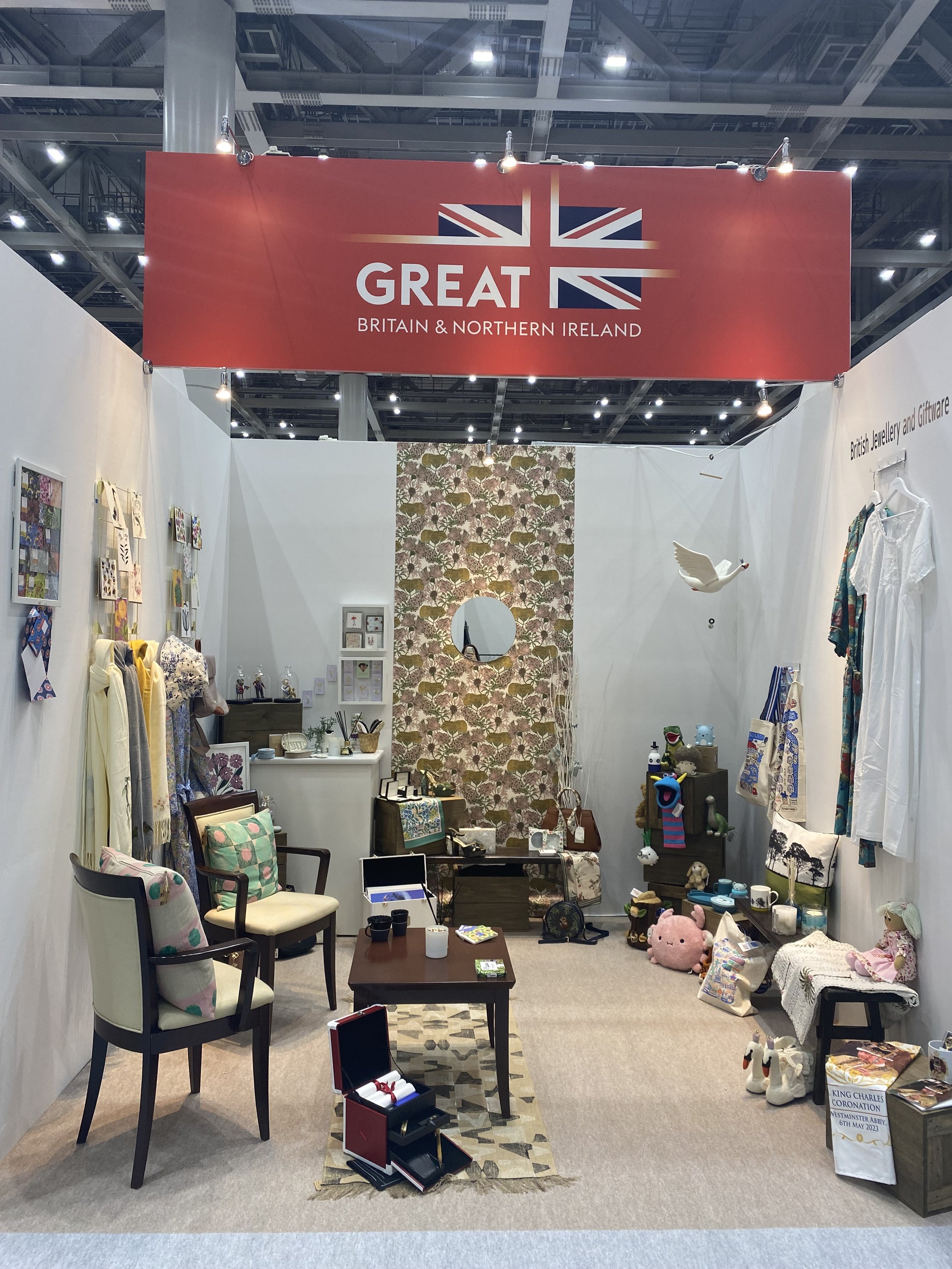
hello again, hello june. we’re really due a nice blog post again, but we just have a small, but rather exciting news to share. we’re absolutely delighted to announce that zitozza has been selected by british jewellery and giftware international to exhibit at interior lifestyle tokyo 2023! while we won’t be personally present at the expo, we’re super excited to present a few of our block printed, sustainable homewares to a brand new audience!

the expo is on for three days between 14-16 june at tokyo big sight west exhibition park and the british lounge will be located at stand d015 filled with more than 20 amazing brands offering unique, designer homeware. if you’re in japan, please go and visit and we hope to report back with an amazing response!

image credit: BJGI

INTERIOR DESIGN, INSPIRATION

at home with the scandinavian style

new month, new blog post! wow, didn’t april just sweep past way too fast. it has been a busy month, and to our pleasant surprise, we have discovered our cushion in simply scandi magazine (which i was not aware before) but it’s a wonderful publication and it inspired a new blog post series - architectural tours are all well but i feel that for a homeware brand we neglect writing about interiors so we'll be doing that a bit more often.

in the first of this series then, we’ll have a look at how you can tweak the “scandinavian style” a bit to add some colours into it and make it uniquely yours. i don’t want to dwell too much on what even defines the “scandi” style, but it is often associated with clean lines and lots of natural light. but looking at the iconic mid-century designs coming from scandinavia, i also believe that it’s a mistake to see this style as anything too white or beige, and it’s really not that far from the modernist zitozza looks (and hey, brutalism!) so yes, yes, you can absolutely incorporate colours and patterns into a scandinavian style. while the traditional scandi aesthetic tends to emphasise light, airy spaces with a focus on white, grey and natural wood tones, there are lots of room to introduce some more colourful homewares in various ways.

pops of colour

the scandi style is not about using colour throughout the entire space, but that doesn’t mean it can’t be colourful! think about it more like using accessories of vibrant or bold colours as accents. this can be achieved through colourful accessories like cushions, throws, rugs, or artwork. select a few key pieces in complementary colours to add visual interest and create focal points in the room.

pastel tones

obviously, this is one of the more associated qualities of the scandi style - just pleasant and cosy! soft, muted pastel colours can work well within a scandinavian-style interior. pale shades of blue, pink, mint, or lavender can bring a subtle hint of colour without overpowering the space. use these colours on walls, textiles, or smaller decor items to maintain a light and airy atmosphere.

natural textures and elements

scandinavians are surrounded by some fantastic nature and they do like their outdoors, i think. so another way to introduce colour is through natural elements. incorporate plants and flowers to bring vibrant greenery and pops of natural colour into the space. additionally, consider wooden furniture or accessories with warm, natural wood tones that add warmth and texture while infusing the room with earthy hues.

patterns

scandinavian design can also feature patterns with colour (do you remember early 00s ikea huh?) so yes, my favourite advice - consider using patterned textiles, such as curtains, upholstery, or rugs, that incorporate colourful geometric or nature-inspired motifs. this can inject visual interest and personality into the space while still maintaining the overall scandinavian aesthetic.

statement pieces and fabrics

yes, this can mean the jacobsen chair, or anything else you may have in that category but there are lower-budget versions for this too. introduce a bold, colourful furniture piece or artwork as a focal point in the room. this can be a vibrant rug, a sofa, an accent chair, or a large colourful painting or wall hanging. by keeping the surrounding elements more neutral, you allow the statement piece to shine and bring a lively touch to the space.

overall, i guess the key is to maintain the finely tuned balance between colour, pattern, texture but in a calm, nordic manner, with the minimalistic, clean lines typically associated with scandinavian design. select colours that harmonise with the overall palette and aim for a cohesive look throughout the space, and don’t worry about a bit of clash - remember the colourful, contemporary looks of nordic brands like marimekko or hay - all is well with a splash of colour! by strategically incorporating bolder patterns, you can infuse your scandinavian-style interior with a touch of vibrancy and personal style - and we’re here to help you with that!

TEXTILE INDUSTRY, SCOTLAND

spring markets!

hello spring, hello market season! the days are getting longer and it’s time to go outside, and get your hands on lovely, locally made stuff. visit the spring fairs and support your local, independent businesses. here’s where you’ll find some zitozza stuff this spring:

15th - 16th april - the briggait, glasgow
with wasps studios


6th may - the steeple church, dundee
with the yard


14th may - assembly rooms, edinburgh
with craft & flea


looking forward to seeing you there - bring your friends for a day out and enjoy the fresh air and the local makes. take care!

ARCHITECTURAL HERITAGE, ARCHITECTURE, BRUTALISM, INSPIRATION, SCOTLAND

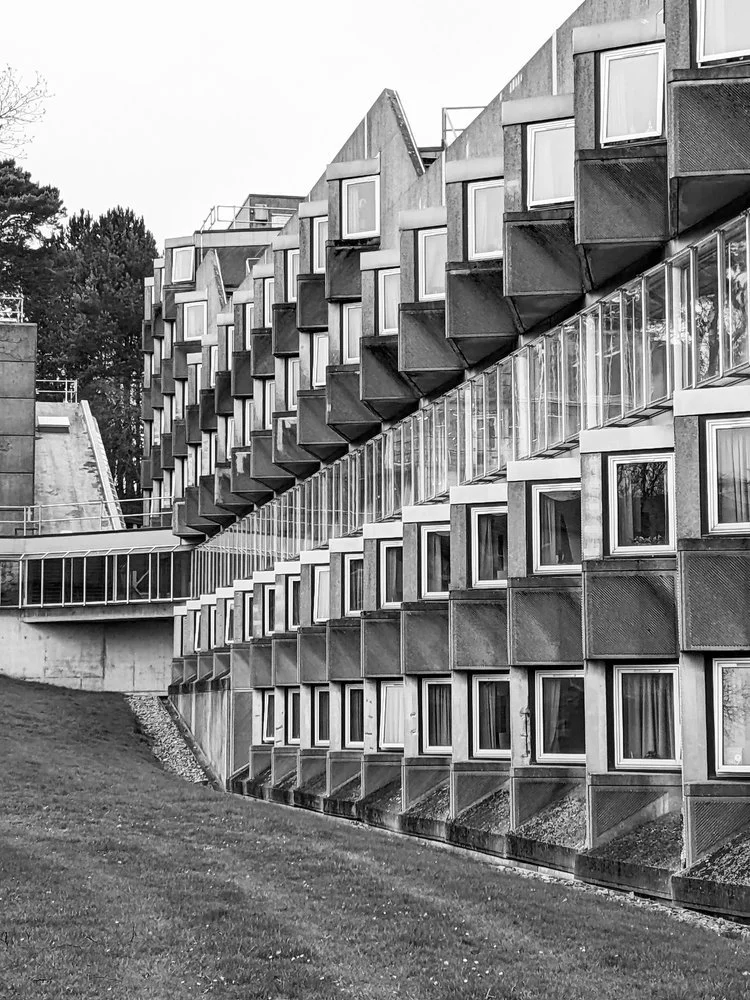
andrew melville hall, st andrews

there’s a building here in st andrews that quietly unites two very different worlds: centuries-old academic tradition, and raw, rhythmic modernism. as a textile designer obsessed with surface pattern, i’m always drawn to the overlooked beauty of brutalism — and this particular student accommodation block is a hidden gem. if you're a design student, architecture fan, or just someone who appreciates visual rhythm in everyday places, this short tour is for you.

it has been a month since we last have updated our blog and even longer since we last had a little tour of brutalism… so it is time to get out of hibernation now and get the boots on for some well-due concrete hugging. don’t worry, we’re not going very far - in fact, staying right here in east fife, as we visit one of the student halls of the university of st andrews.

surrounded by lots of greenery in the north haugh, it is a short walk away from the town centre and the golf course. it was designed by james stirling and it opened in 1967 - it is a beautiful brutalist gem in a town and university that’s rather renowned and cherished for its mostly much older architecture going back to medieval times. it was judged to be 12th in urban realm’s top 100 scottish modernist buildings, and it has been category A listed since 2011 - it is a popular building that’s here to stay.

the building has an V shaped plan of two large wings, embracing a relaxing, wide green space in between. brutalism often gets reduced to “grey concrete,” but that’s a shallow reading. here, the design balances sharp geometry with soft landscaping — a vital contrast that creates a calming, grounded space for student life. the elevations of both wings incorporate the increasing ground height as the hill beneath slopes upwards. it has a striking, hypnotic rhythm to the modular facade - the zigzagging row of windows only reveal themselves from the east.

what fascinates me most is the textural patterning: 45-degree diagonal textures rotate across the tessellated concrete panels, forming a two-dimensional zigzag print that almost reads like texture-within-texture kind of printed textile. it’s a modular, repeating geometry — exactly the kind of form reduction that inspires my block-printed designs. apologies for the pre-occupation of the concrete surfaces - this is a textile design blog afterall. i don’t read buildings like an architect; i see them as surfaces. i’m always looking for rhythms, repetitions, and subtle asymmetries that could translate into interior textiles — prints, cushions, even fabric-based wall art. the façade of this residence block, with its directional patterning and textural wear, is a visual goldmine.

it is a busy-looking unit with lots of life - housing approx 250 students divided across five residential blocks. the original plan was for 1000 students but the other buildings planned never came to be.

i did not study at st andrews so i have to rely on the university’s own website for a peek inside. it is much loved by students - partly for its rich social life, but also the quirky, octagonal room layouts. the building’s wikipedia page mentions that the stairwells of three blocks have glass enclosures for natural light, student crowd rates it 7th out of 17 halls at the university and i’d like to think that the architecture plays some role in it too.

if you liked this short tour, stay with us for more inspiration as we plan to visit more sites in the near future and bring you more posts and photos about them - and of course subscribe to our newsletter to be always the first to read! until next time!

-

links:

university of st andrews - accommodations - andrew melville hall

urban realm

andrew melville hall on wikipedia


Are you a student in St Andrews?

whether you’re moving into halls or just need to make your flat feel a bit more like home, our handmade block-printed cushions and fabric prints bring bold texture to any space — with a modernist edge.

🎓 10% student discount available

Email us at postbox@zitozza.com with your uni name to get your code. No minimum spend — just good design, made locally.


turkey-syria earthquake appeal

on 6th february we all woke up to the news about the devastating earthquake in turkey and syria. tens of thousands of people died and millions of people are facing homelessness. it is a heartbreaking, hellish situation, to deal with such loss and grief in freezing cold with no place to call home anymore.

zitozza isn’t a huge business with enormous reserves and neither are we influential enough to organise significant fundraiser events, however we also don’t want to stand by doing nothing. small donations can still add up to a lot of help - we are providing the link to the the DEC (disasters emergency committee) turkey-syria earthquake appeal

(organisations such as oxfam, the british red cross and the international rescue committee are all members of the DEC.)

SUSTAINABILITY, TEXTILE INDUSTRY, INTERIOR DESIGN, INSPIRATION

the key interior trends of 2023 - finally, brutalism is in (and sustainability remains)

february is here and if you’re thinking of any decorating work to be done around your home, you’re probably ready to make your plans soon… so to help you a little bit with that, here’s our yearly research into the interior design trends that will dominate the home styling scene this year!

1. BRUTALISM! embrace raw concrete and tactile, industrial materials

hell yeah! finally, raw concrete is in. in a chaotic world, we need clear and calming interior spaces and this is the perfect opportunity of the bare functionality of brutalist forms to make a come back. so, expose the surface, reveal the structure and get a raw, utilitarian jute rug to to match it (we have just the things for you…!) tactile surfaces have been around us for a while but finally it’s time for the raw materials to shine as they are.

“compared to the past, the new brutalist style results in a softer approach that incorporates natural elements like wood, stones, plants and sustainable materials resulting in a warmer and more welcoming aesthetic.” said giampiero tagliaferri for vogue.


2. BE BOLD AND BRAVE! embrace colours and patterns clashing

this is another one we absolutely love at zitozza - we’re all about patterns and colours here too. this is what house beautiful call ‘dopamine dressing’ and basically means just doing what you like, because it’s your home and your castle and who cares about rules anymore, right?!

so it’s time to dive into all the patterns, all the colours, and all the textures! more is more, less is a bore. it’s time to stop fretting about matching and embrace the clashing.

3. TEXTURES! embrace the tactile surfaces

yes, the bold and brave approach now extends to all the interesting textures too. "the recent pandemic deprived us of one of our most 'human' senses: touch. in response to that, i feel it will become increasingly important for designers to make use of materials that bring tactility to the interior scheme and to devise spaces that provoke an emotion in its users." interior designer tola oluojape told dezeen.

at zitozza, last year we have seriously extended our fabric range and we have a range of different textures from the soft and cosy recycled cotton blends to the coarsest jute and some interesting qualities in-between too, with bold, tactile prints too, to suit perfectly with the “hand-formed” textures trend predicted by elle decor.

4. sustainability! embrace the planet

i have always argued that this is not so much of a trend anymore but an imperative and it’s great to see now almost everyone jumping onboard. designers do have a huge responsibility in making products that don’t cost the earth and do last longer which is what we try to do at zitozza by using a lot of jute (one of the most sustainable fibres in the world) and recycled linens and recycled cotton blends (with recycled polyester and recycled polyester cushion inserts too!)

but it’s not just about fabrics, but a whole range of new materials from mushroom leather (by mylo unleather, as seen on dezeen’s selection), but also my personal favourite: bricks made of construction waste by kenoteq (discovered on material district). it’s genuinely exciting to see what the future brings in new materials to use for building and making homes.


5. HANDMADE! embrace the imperfections

and finally, here’s another fashionable decorating trend we can help you with - to embrace the handmade, crafted accessories with all their imperfections and naive charms. that handmade aesthetic is all over zitozza too, since, well, all our interior accesories are made by hand, slowly crafted with love and lots of passion for colour and texture.

“with thoughtful, sustainable design a key focus for 2023, as well as a nod to more nostalgic designs, these 'trends' will not only lead to us shopping more responsibly, but it will also see a rise in 'shopping small', and celebrating handmade, artisan designs and craftsmanship from all over the world.” writes jennifer ebert for homes and gardens and we take this fully onboard. shop small, buy handmade and cherish the object in your home with the same love as they were created with.

and if you want to stay in touch with the next lot of brutalist, colourful, pattern-clashing, tactile textured, sustainable handmade goodies, then do so by subscribing to our newsletter below and follow us on instagram. have a wonderful year and happy decorating!

-

links:

interior design trends to know in 2023 - and what’s on its way out (by elise taylor 13 january 2023, british vogue)

interior design trends for 2023 reflect "anger in the world” and post-covid community focus (by casja carlson, 5th january 2023, dezeen magazine)

interior design trends 2023: top 7 trends influencing our homes (by rachel edwards, 6th january 2023, house beautiful)

10 interior design trends that will shape our spaces in 2023 (by jennifer ebert, 23 january 2023, homes and gardens)

the top 8 home design trends we will see in 2023 (by kristen flanagan, 16 december 2022, elle decor)

a brick made of recycled construction waste (2nd february 2023, material district)

zita in make it at market - on BBC one!

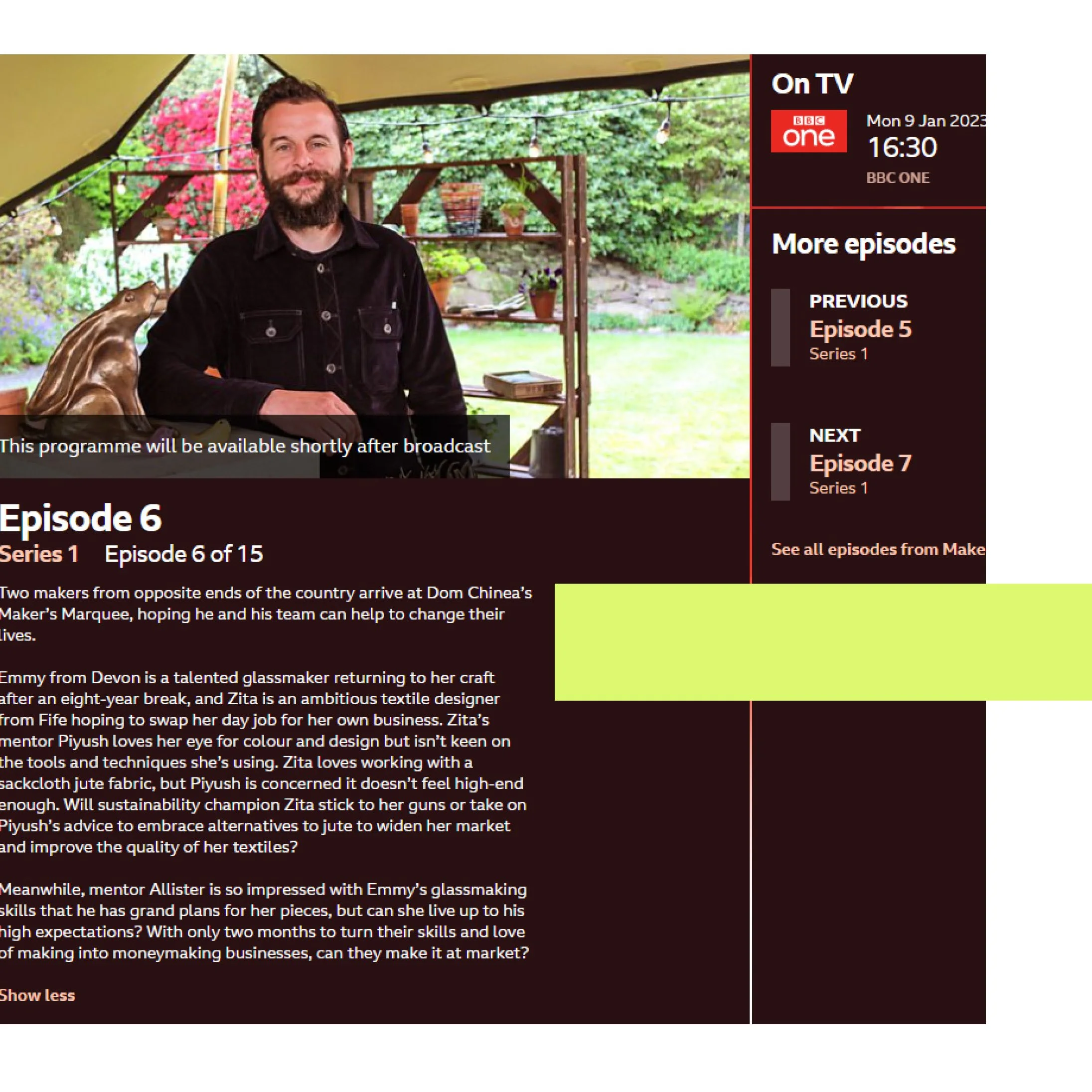
happy new year! here’s to a lovely start and we get right into it! the year couldn’t start better really. our last blog post was about our upcoming tv appearance (in which we got the starting date of the series wrong… so sorry about this!) but we can now confirm that zita’s (my) episode airs on monday 9th january at 4:30pm on BBC one!

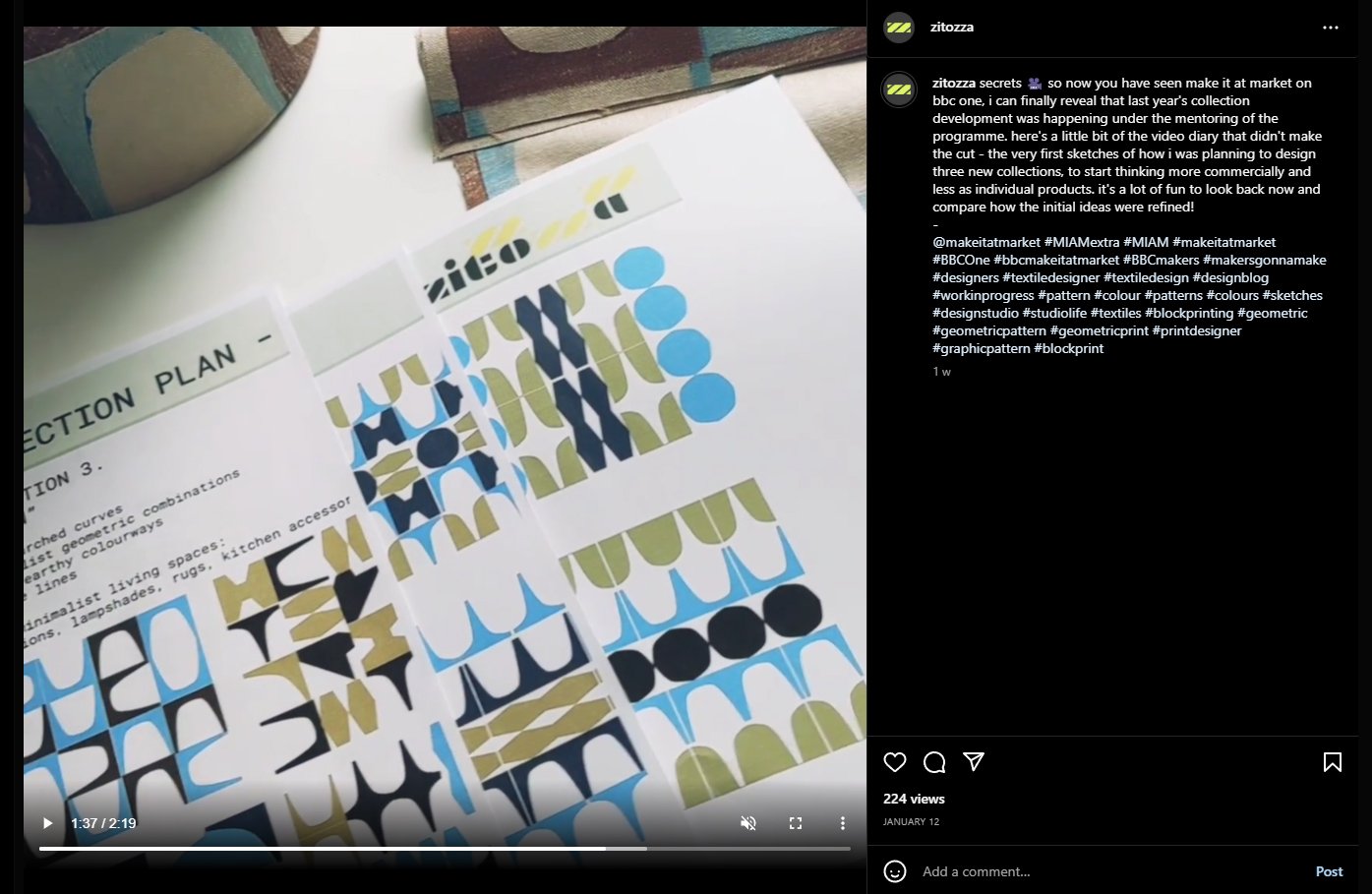
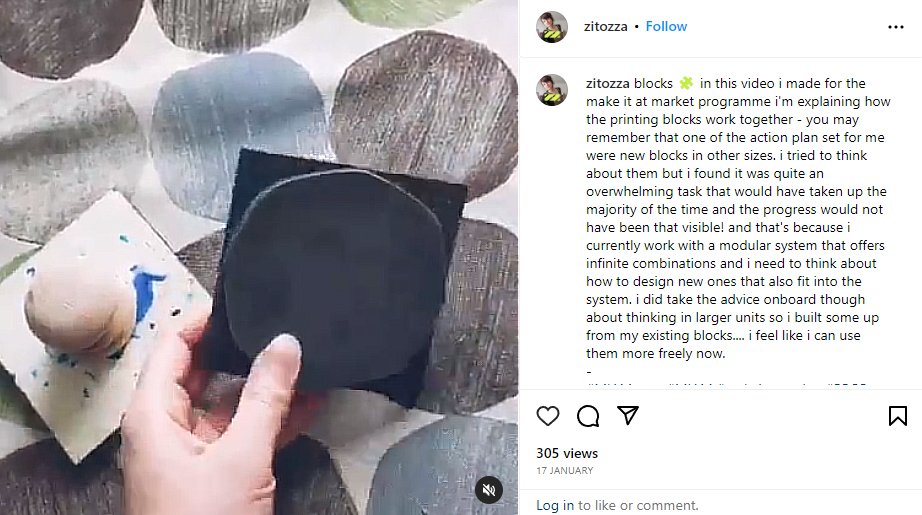
it is a lovely, feel-good kind of show, and it’s been a great, if busy experience - compared to which the episode felt rather short! of course it’s rather difficult to squeeze two months of intense work into twenty minutes, so i’d like to share more about the work behind the scenes and my designs - mainly about the origins of the architectural, brutalist influences for my geometric prints. unfortunately my design philosophy has been left out of the show completely, even though it is very much at the core of what i do, it is the main driver of why i do it, (and what i really wanted to talk about….) and this also explains the modular nature of the printing blocks of course.

so, if you’re interested in more of this, do have a read through this blog, you’ll find plenty of photos of buildings that constantly catch my eye and influence my prints. i also have a series on my instagram on sundays where i directly show how i take the inspirations from them. being from hungary, i had a very typically continental design education with all the bauhaus worship and all, so i personally never found modernist or brutalist buildings ugly, but i know they are a hard sell (and it became truly evident when i moved to the UK!) so making them beautiful, and making pretty things out of the unloved and the mundane in general has become my obsessive mission which would also explain my material choice in the coarser fabrics and why i want to elevate the utilitarian with the help of pretty prints!

this fabric choice seems to have been the main focus of the show for some reason… but i promise i did find all of the mentoring quite helpful and i received a great deal of help with the numbers and business-like thinking. we also worked together to create three new collections - i would have loved to have watched our progress back! but instead, the show’s focus was quite heavily on the jute… i don’t think it’s very obvious after the episode, so i’d like to quickly point out that the jute is not so much my “main thing” (the jute cushions for instance were shown as i set them up for a clearance sale, not because i insisted on keeping them!) however i will always keep it in my range for the rugs and some of the lamps.

my own followers favoured the jute lampshades in a poll at the time of filming and the jute rugs have been selling well and getting into magazines. with rugs in particular, it was just simply not viable to research and develop a new product in such a short span of time - especially when every other alternative is less sustainable or much more expensive. jute is actually a fantastic and very earth-friendly material that has been used in rug-making for a very long time (why not read my old blog post about its environmental benefits) but it also connects me to scotland’s local history, since i’m based so near dundee (and the rough aesthetics of the cloth matches the raw concrete look i’m going for too.)

but if you aren't a fan, you can rest assured, i do have recycled cotton blends now, and pure linen too for my cushions and kitchen ranges… so it’s all environmentally friendly (which i think should really be much more encouraged on TV in 2023!)

and finally, and somewhat most tragically, due to the economic circumstances, the wonderful business boost surprise also had to be cut out of this episode… for the last day of filming, the producers invited the chief buyer from made.com and i was gifted an amazing opportunity to sell my homewares with them. i was so grateful, i received beautiful, enthusiastic comments on my work and it would have been an absolutely life-changing experience.

i spent the rest of the summer getting my cushions ready for them, but due to financial difficulties, they went into administration just before our launch, ceased trading completely, and the whole thing just disappeared into thin air. it was quite heartbreaking, and of course my own little lost opportunity here was nothing compared to the loss of jobs for 700 really nice people. it’s also a shame that such a great, mid-market company that genuinely embraced modern design is now gone. (you can spot some props i use for my studio shoots, bought from them… i was a genuine fan as well!)

so yeah, it truly was a rollercoaster ride. of course, the short episode had no scope to tell about everything that’s been happening, but it was definitely a once-in-a-lifetime experience. i hear it’s been receiving warm reviews and rather pretty viewing figures so it’s probably worth tuning in and catching up with the entire crew of thirty talented makers and their successful and supportive mentors who do give some useful, practical, insightful advice.

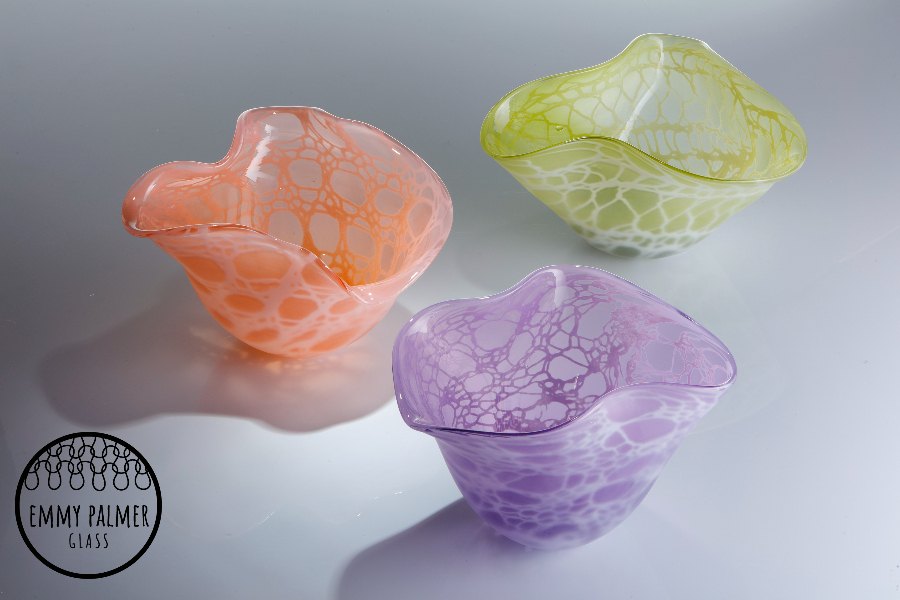
i’m delighted to share the episode with the fantastic emmy palmer, with whom i had a little design conversation last year about her mesmerising, colourful glasswares. she has some next-level talent and a lovely person too, meeting all these people was probably the best part of the whole thing.

watch every weekday from 16:30 and on iplayer until the end of year! also coming to britbox in february.

edit: repeats from october at 19:30 on fridays!

BEHIND THE SCENES, WORK IN PROGRESS

ZITOZZA ON TV!

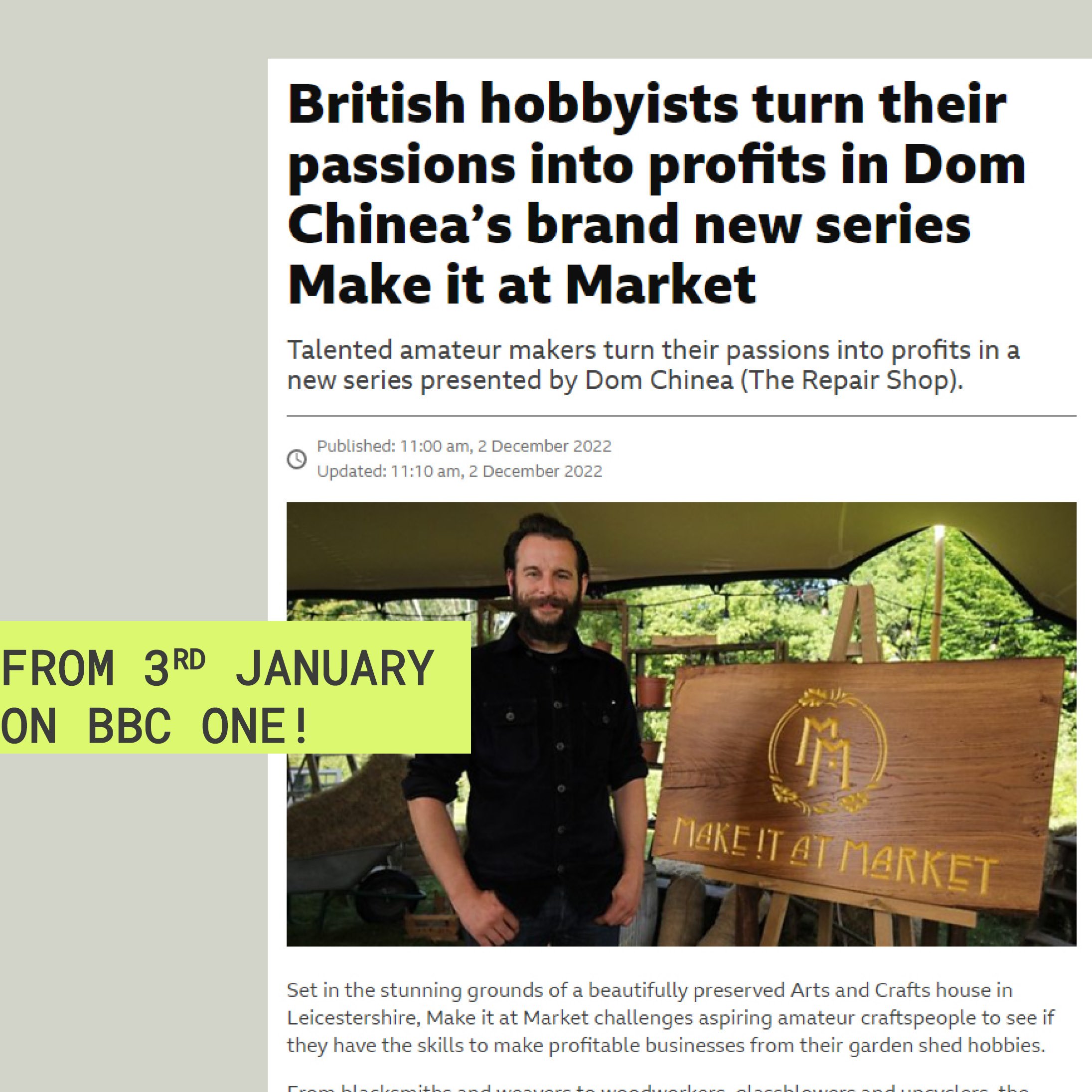
we have been waiting to announce this news for a while, but we’re finally allowed to say it out loud: zitozza will be on TV!

i am absolutely thrilled to have had the chance to participate in a new project for the BBC titled ‘make it at market’, filmed in beautiful leicestershire earlier this year. the idea of the show is to explore how some talented makers and crafters are turning their hobbies into a business with the help of being mentored by an expert designer - and i got selected to be one of these, to be mentored by the wonderful piyush suri of handmade in britain!)

the challenges were a lot of fun, and obviously the business mentoring has been a huge help, all this while also having met all these amazing and talented people completely flourishing from all kinds of creative disciplines made this a really, really inspiring experience. it will be definitely worth a watch, if not for some “zitozza-behind-the-scenes”, then for the variety of creativity and the immense amounts of talent that this show will cover.

the show is finally confirmed to have an airing date: 3rd january 2023! save the date and do tune in…. eeek!

edit: if you want to learn a bit more about how the experience went, read our next blog post about the episode!

SCOTLAND, TEXTILE INDUSTRY, WORK IN PROGRESS

festive market triple header!

with the festive season in full swing, we’re announcing our upcoming festive market dates - we’re not leaving scotland for this season but we do come to glasgow twice! so make sure you come to one of these to touch our tactile textiles and leave with some brand new handmade homewares - for yourself, or a loved one!

first date: 19-20 november 2022, kibble palace, botanics, glasgow - from 10am to 4pm
- a beautiful, unique setting with a bunch of talented scottish designers, as usual with tea green events, the line-up is going to be exciting, colourful and sustainable.


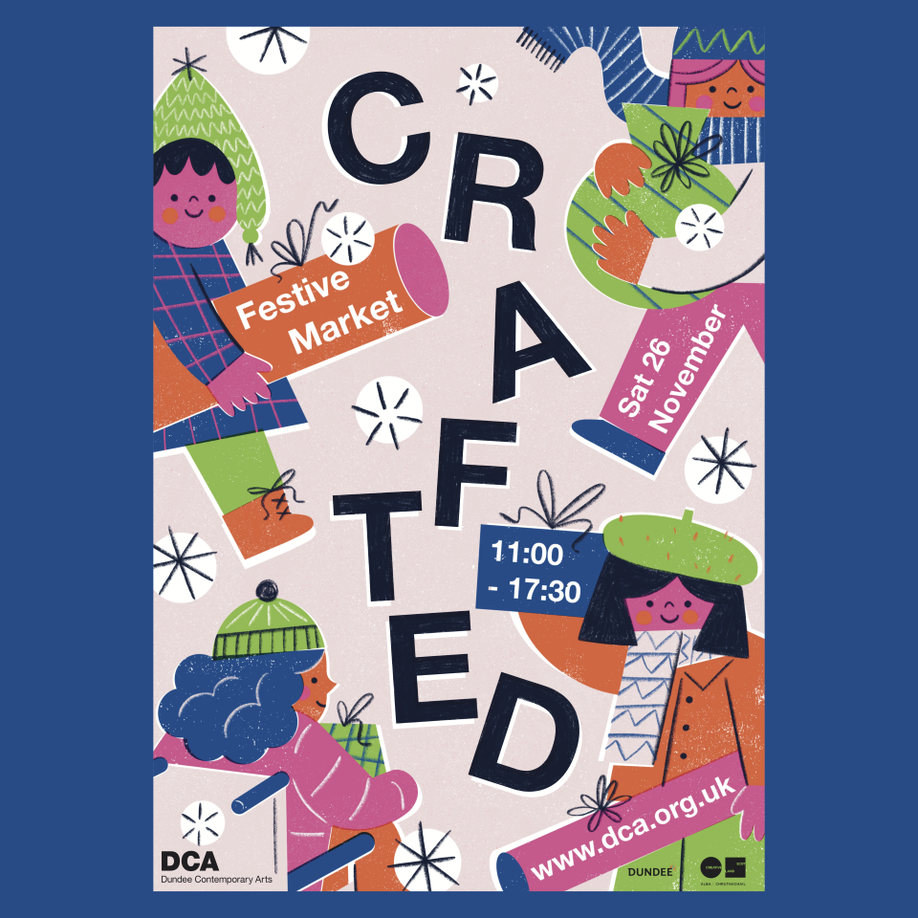
second date: 26th november, CRAFTED market at the dca, dundee - from 11am to 17:30pm
- another fab line-up, curated by the team at the dundee contemporary arts themselves, it’s guaranteed to bring you the best of the most cutting edge and contemporary designers. please note this is only a one-day event, not the full weekend, so make sure you come and visit on the saturday!


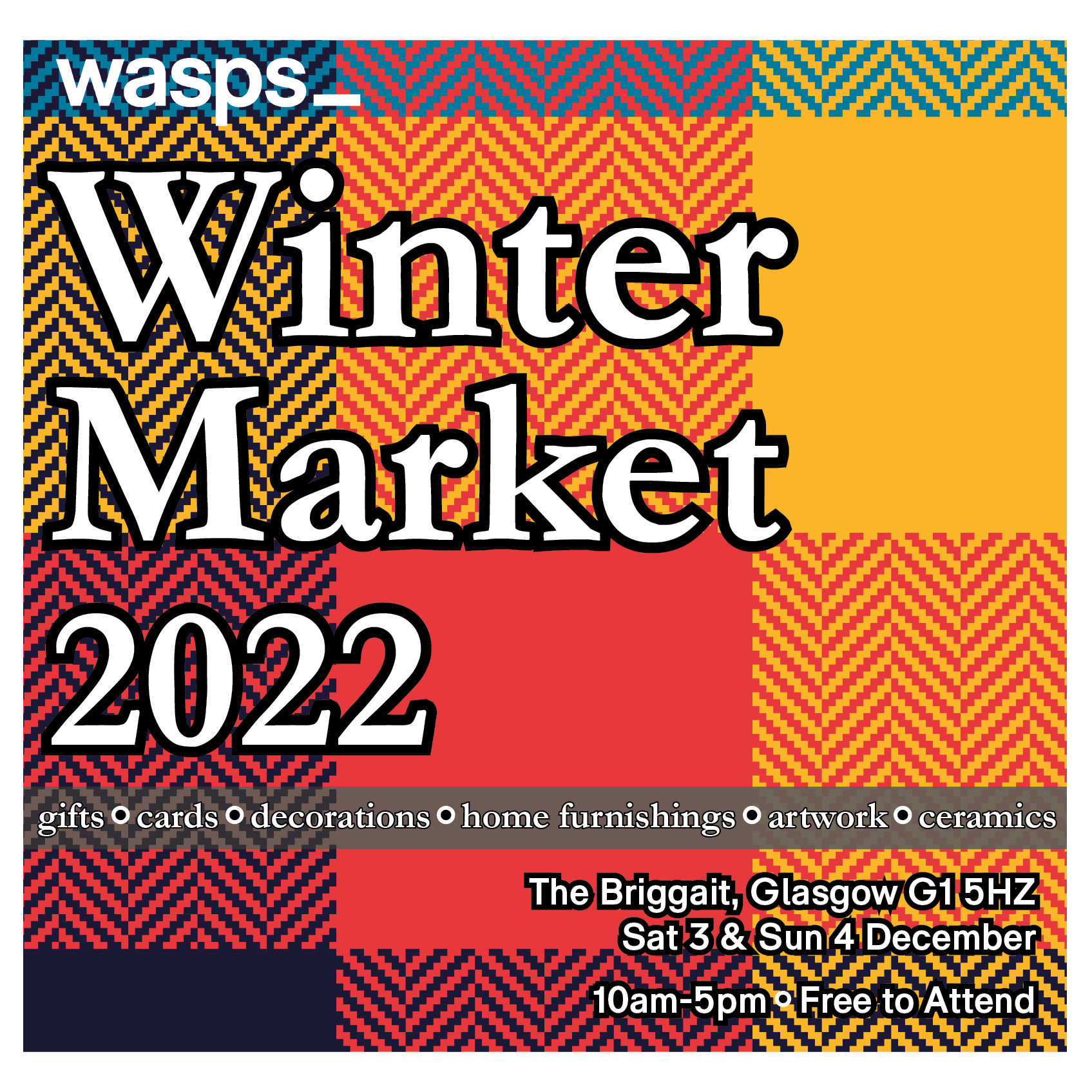
third date: 3rd - 4th december, wasps studios winter market, the briggait, glasgow - from 10am to 5pm
- this is a brand new one for me, but with the hosts being wasps studios, the talent and the quality is guaranteed, at the fabulous setting of the briggait in glasgow. this will be the last one of the year for zitozza, so please do come.


it sure will be a busy few weeks ahead, but it is always worth to meet in person, and new pieces, not yet listed on the website are definitely coming, curated to fit in with the line-up with each of these events so please visit. and although the live events finish on the 4th december, we remain open online 24/7.

for deliveries before christmas though, please place your order before thursday 15th december. thank you and have a fab winter.

DESIGN CONVERSATIONS, INSPIRATION

in conversation with emmy palmer glass artist

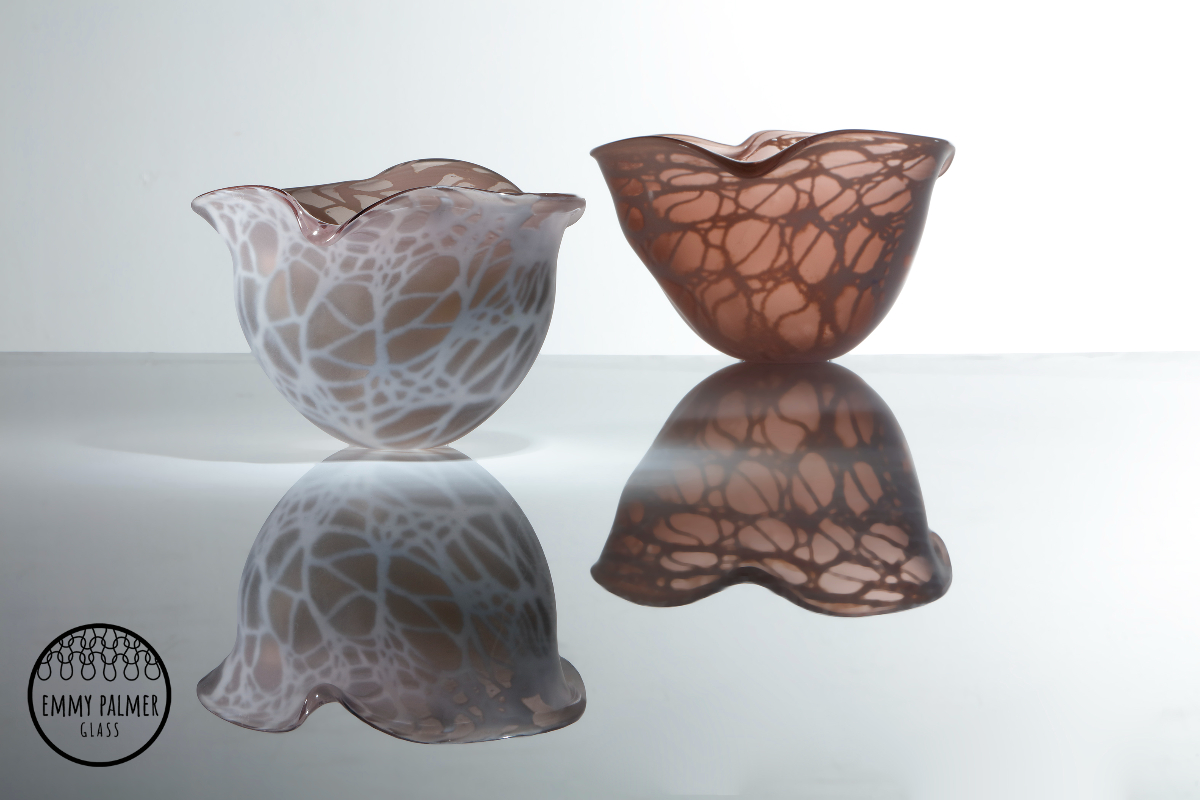
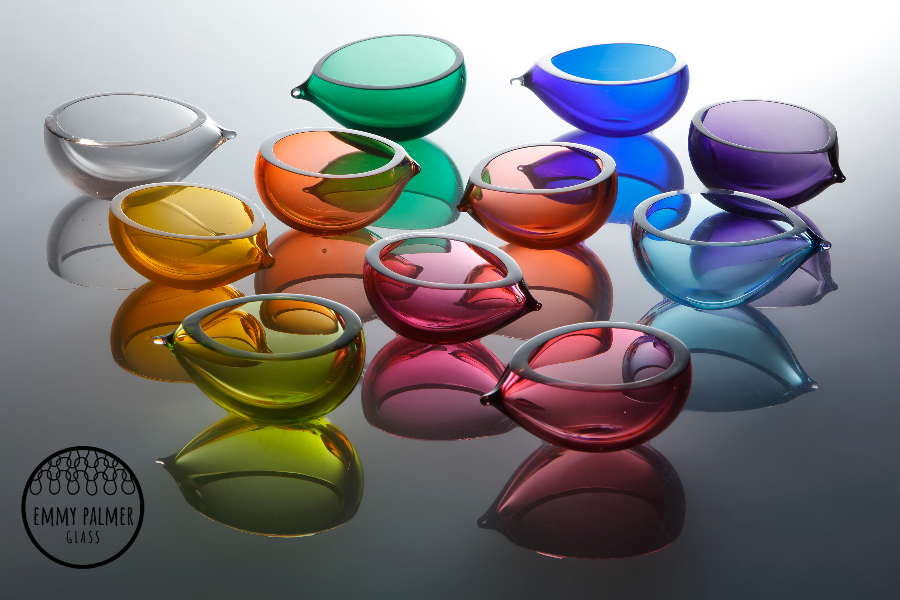
as you may have read before on our socials, zitozza will be on TV soon (i really do hope i can share more information about it even sooner…) and having met so many talented makers from far-away disciplines was really an eye-opening experience - it was only natural to decide to give my design conversation series another boost with all these inspiring people. today we’re going somewhere i’ve always admired but knew very little about - glass! i’m bringing you today emmy palmer, whose colourful and tactile blown glass really caught my eye, and i became really curious about techniques and inspirations.

ZITA: hello emmy, first things first - could you say a few words about yourself, what you do and how you got there?

EMMY: hello zita! throughout my life making anything is where my joy has been, although i never saw my creativity as a career choice until i was in my twenties. this is when i started my journey into applied arts by doing a national diploma in design crafts. i enjoyed trying out a broad range of material practices and learned so many techniques. also during this time i took part in a taster course with a local glass blower...creating my first wobbly glass blobs ignited something in me that has never quenched. in 2004 i moved on to do a foundation degree in applied arts at arts university plymouth (formally plymouth college of art and design). i entered that course very determined to combine large scale metals and blown glass but my learning journey and exploration into what makes me, me, took a slightly different direction, but i'll tell you more about that later. i specialised in bown glass in my second year and followed my foundation with a BA (HONS) applied arts. i was lucky enough during my last year to be awarded  a scholarship with teign valley glass studios and have continued a professional relationship with them ever since.

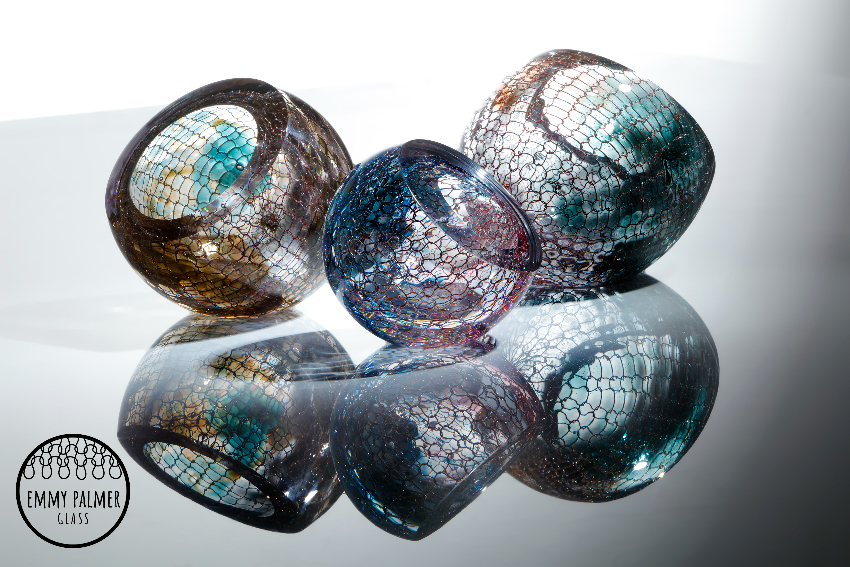
ZITA: large scale metals and blown glass? that sounds awesome, but i do notice you’re doing something different! the very first thing that caught my eye about your work is your use of texture and shadows. i love your use of knitted textiles, i think that’s really unique. can you explain a little bit about your process, what gave you idea for these pieces, and how you work your cloth into the glass?

EMMY: knitting is a huge part of my life not only in my creative practice.  i see knitting as a real form of self care, it has gotten me through some really tough times in my life. i love to find new techniques and stitch combinations. you're right playing with light and the shadows is something i love to do. glass bends light in similar ways to water and i love to exploit its refractive qualities. when i moved to plymouth for university, i was so inspired by living by the sea for the first time in my life.

ZITA: i know exactly how that feels, having moved to scotland from a landlocked country… i love glass but i know so little about it - apologies for some of the more stupid questions about materials, but how did you even find out what was possible with this technique? is there anything you have to be really careful with? For instance, can you use anything for knitting, wouldn’t it melt or burn away from the hot temperatures? 

EMMY: my knitted work started from very humble beginnings and was a real experimental journey. initially i was combining the glass and knitting by creating cosies for the outside of the glass using different materials. this led me to purposely finding ways of burning those textiles away in the hot glass process to leave residual patterns. somewhere amongst this i started experimenting with oxides and different metals. you're right though, combining glass that in its molten state is 1500 degrees centigrade and metals with a lower melting temperature can be tricky. i had varying results with different types and gauges of wire. my mum has a little collection of wobbly pieces that beautifully illustrate my journey to refining my technique of encasing knitted wire into blown glass. i also use my open lace knits as templates to create some of my work so it appears as if knitting is suspended in the blown glass when in fact the original piece of textile is no longer present. i secretly love how these pieces often baffle people.

ZITA: that’s so clever! i also love the metal bits and i do have a thing for industrial influences – i think my favourite bits from your collection is the ‘del mar’ series, it’s the metallic wires that i’m really drawn to. can you share a little bit about how they were made and what inspired them?

EMMY: knitting and crochet are skills that have been passed on through the women in my family from generation to generation. when i think of my little nanna (who was my mum's grandmother) i see her in her arm chair with a hook in hand and the crochet blanket she is masterfully creating at the speed of light draped over her lap. my foundation degree really made me explore what made me, me, and what i wanted to share with the world. i realised back then how knitting and crochet was actually really fundamental to my creative practice. i also found myself living by the sea for the first time and i was obsessed with the water.

the barbican in plymouth, where all the fishing vessels are docked, with the reels of fishing nets and piles of lobster pots led me to some extensive research into fishermen sweaters. my del mar series was born out of this time in my life. the knitted wire is completely encased between the layers of blown glass and i cut and polish them once cold so that you see a cross section through the piece. it took me a long time to find the right metal and a knitting technique that didn't restrict the glass bubble but stretched with it to a certain extent. they were a real labour of love and were born out of a new and exciting time in my life, so for this reason they are still my favourite pieces to make! 

ZITA: theirs is a real success story i think! so is that where you usually go for inspiration? do you have a specific place that can get you in the “zone”, or do you just let ideas find you spontaneously?

EMMY: i'm really in love with plymouth and its surrounding areas, it really is the most beautiful place to live. as a family we spend a lot of time in nature. we have so much around us to choose from and i consider ourselves very lucky and privileged. we live right next to a woodland nature reserve that leads us to the banks of the river tamar. it's a five minute drive to be on dartmoor and only a few minutes more in the other direction to be at the sea. like many of us these days i document a lot of this with snap shots of views and interesting things i see. we live a holiday style life and spend most of the spring and summer months out and about with sand between our toes so i am never short of inspiration. sometimes i find my ideas by accident, i make something and i think of how it could be improved or tweaked and this leads to other ideas.

ZITA: if you were a textile designer, this would be the bit where i’d ask about sourcing sustainable materials but i know so little about glass. what would you say are the biggest challenges of turning your ideas into these fabulous pieces? how has glass blowing been changing?

EMMY: glass blowing has essentially been done in the same way since the romans. the basic equipment and techniques are all the same but the fuel has changed. most studios run on gas and this is becoming economically difficult and unsustainable for the future. very recently glass studios all over the country have been closing down or temporarily shutting down their furnaces due to the rising cost in fuel and with this the idea of glass blowing being a dying craft is seeming all too real. fortunately, with technological advancements there are some great electrical alternatives being produced and in fact the furnace at teign valley glass studios where i work is electric and most recently they have been trialling a prototype glory hole which is the heat chamber that we use to keep a piece warm and workable.

ZITA:  i met you at the filming of our new TV show, and for all of us it’s been quite an intensive journey with the help of a mentor. how did you find this process? can you share a little bit about how you have developed your work and maybe about some of the new pieces? (no spoilers, please!)

EMMY: it really has been such exciting times and it was a joy to meet such amazing creative individuals like yourself. the show gave me the kick up the bum that i needed at just the right time. i think we all must have done a year's worth of work within a few months. i definitely felt a tad frazzled at times but hugely empowered by the end of filming. my mentor was a real task master but he is a real inspiration and made the whole process really positive. the show hasn't even aired yet but has already given my business a massive boost. i've already worked on and sent bespoke samples to a retailer and received my first big order!

ZITA:  that’s really exciting, congrats. i hope to see your work shared widely! have you got any new ideas you’re working on, or experimenting with, that might turn into your next collection?

EMMY: yes definitely! i have so many exciting ideas that i've been sitting on, i am determined to put a little more time aside to play with colour combinations to expand my KOPO (knit one purl one) range. i'm quite a colourful person and i use a huge amount of colour in the clothing that i knit and wear. i would love to bring some more of that into my creative practice.

ZITA: and now the question i ask from everyone - can you recommend a book? or an artist or a maker whose work is worth looking into? something that keeps you thinking or help us see the world the way you do?  

EMMY: richard glass is an aptly named glass blower/designer that i have the pleasure of working with over many years. he is an under celebrated glass maker who designs and makes a huge variety of glass that is sold internationally. his work is often sculptural, colourful and very much inspired by our local surroundings. i love to see him making his ‘waves’, the process is so dynamic and the results are beautiful. richard runs teign valley glass studios where i produce my work and he has been so supportive throughout my glass career and especially since i started back in september last year. not only is he a great glass maker but he is also actively working on sustainability in glass blowing by exploring electrical options. he is also launching his own range of glass blowing irons. he'd be the last person to shout about his own achievements but is definitely an artist to look into.

ZITA: i will do that, thanks for the recommendation! and lastly but most importantly, where can we see your work now, and where will catch you next?

EMMY: There are a few places i can't share because i'd hate to spoil the TV show for you. i have had some busy and exciting times recently. my work is already stocked by a number of wonderful galleries and retailers i will soon have a list of these on my website but you’ll also get to see me with my work at a few places this year and I’ve already planned ahead into 2023! i’ve been working with a wonderful mother and daughter team georgie and tara rowse at curator & maker. i've had the pleasure of making bespoke sets of nutcracker inspired baubles for their christmas pop up 2022. this opens on november 23rd until december. i’ve been making some lovely gift size items for the present makers exhibition at the thelma hulbert gallery, honiton. this runs from 12th nov to 24th december.
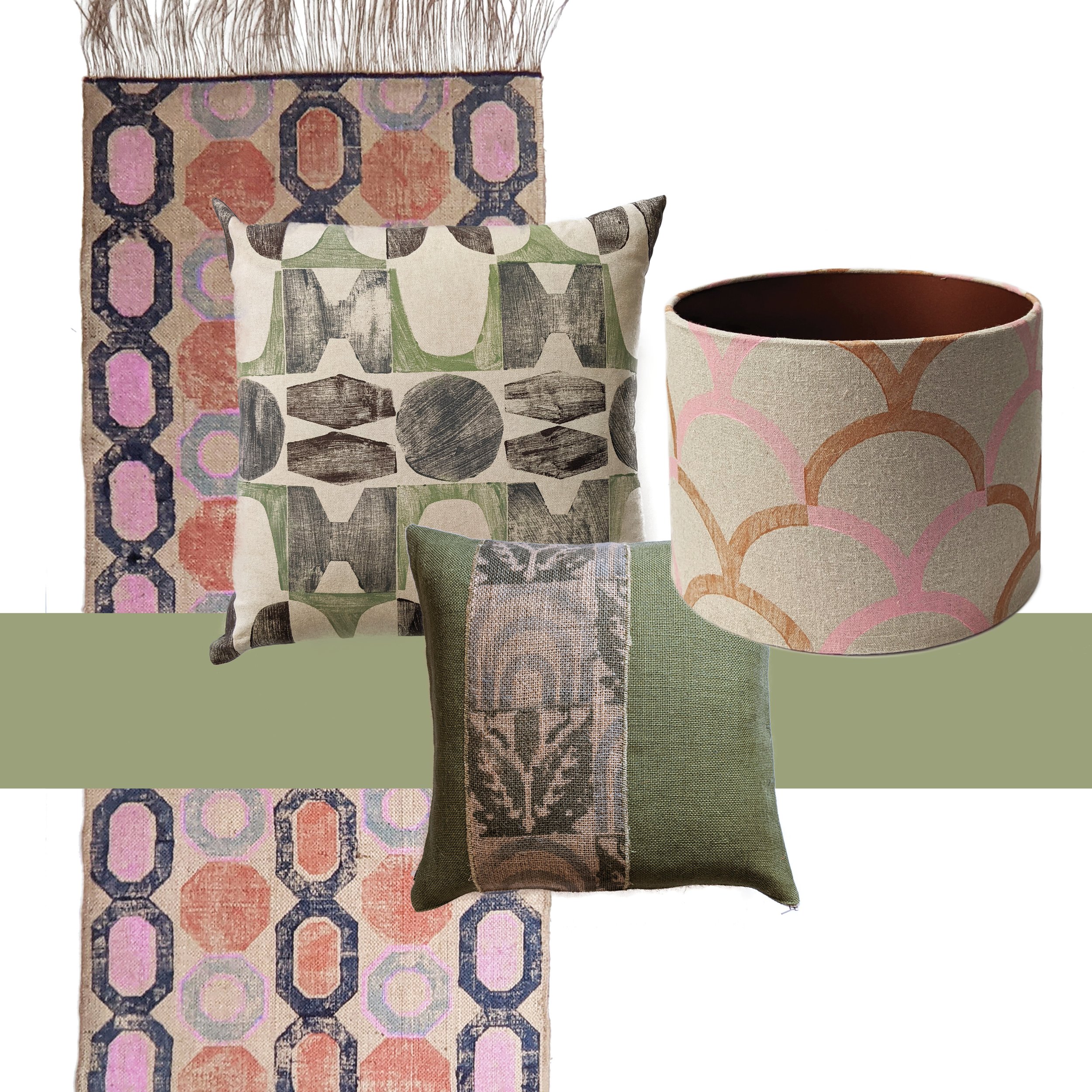
you’ll find me and my work at modern makers collective’s yattendon winter market 19th & 20th november.

i’m looking forward to 2023 in march where amongst other things you will find my work at the affordable art fair in battersea with BANG blackstone art next generation. and also me and my work at crafts festival cheltenham town hall 10th-12th march.

ZITA: that’s fantastic, thanks a lot!

EMMY: any time!

-

links:

emmy palmer’s website

emmy palmer on instagram

teign valley glass studios

richard glass at 45 southside gallery

curator & maker on instagram

thelma hulbert gallery, honiton

the modern maker’s collective

affordable airt fair

crafts festival cheltenham town hall

ARCHITECTURE, ARCHITECTURAL HERITAGE, BRUTALISM, INSPIRATION

church sagrado coração, lisbon

it’s becoming a busy autumn / winter season here for us at zitozza, but we do manage to escape on the occasional break to take an inspirational trip to admire some great architecture and forms. there has been a recent trip to lisbon, portugal, and we have some fabulous brutalist buildings to cover as well as the country’s signature tile designs - surely that requires an article at some point in the future.

but we can start with an easy one, a true little 1960s gem in the heart of the city, a five minute walk from the square of marques de pombal, there is a little brutalist church in amongst the residential buildings - the sagrado coração church, on rua camilo castelo branco. it is hard to see it is a church from the outside, as it stands on an elevated level from the street, with stairs inviting up to a square embraced by offices and some residential units. on the sunny day of the visit, it felt like a relaxing island just off the busier streets, but it was by stepping inside it revealed its wonderfully peaceful and serene atmosphere.

inside, it is clear what the architects - nuno portas and nuno teotónio pereira - were trying to achieve. the use of concrete is consistent, but not in an overwhelming, intimidating way as the material is broken up and softened with textures. the wall has a bricklay texture to it, while the ceiling reveals an even rhythm of the angles of the structure. the ceiling does not seem to be at an uneasy height, yet the smoothness of the columns do make it appear quite heavenly.

it is however the light, that seems to play the main role of bringing the spiritual and the godly inside. the light comes in at angles that must have been very carefully designed and is parallel to the staircases, casting shadows on the textures inside, while at the chapel it comes through unfiltered and in full, as if it was almost ready to listen to the prayer.

this article on hidden architecture has the floor plan (along some sketches by the architects too), and it does reveal the scale of the open space, and the even proportions unlike the traditional aisles. the sketches also reveal the careful planning of lights and shadows - its role in reaching some kind of spiritual peace is universal and not dependent on religion, just think of junichiro tanizaki.

this church isn’t dimly lit, or dark, nor is it overwhelmingly clear and bright. concrete has its reflective quality on light but also has its own texture to break it, which the architects also played with here by adding more, and the artificial lights are also carefully placed to interact with it. atlas obscura recommends a visit during night time too, to experience the different light circumstances.

lisbon is an amazing city and churches are found from every style and era. its famed cathedral is almost a millennium-old and some of its most famous sights are the gothic monasteries and the golden baroque altars - all worth a visit and appreciation. i hope you don’t mind me picking this brutalist gem though, as one of my favourites. the building won the Valmor prize in 1975 and in 2010 it was recognised as a national monument, so it earnt its place on the visitor attractions and please do visit when you get a chance in lisbon.

if you liked this, you can subscribe to our newsletter below and you’ll be amongst the first to be notified of any new inspirational tours (always with plenty of photos!) see you next time

-

links

church sagrado coração on divisare.com

article on church sagrado coração de jesus by ana tostðes on hidden architecture.net

nuno portas on divisare.com

nuno teotónio pereira on divisare.com

church sagrado coração on atlas obscura

DESIGN CONVERSATIONS, BEHIND THE SCENES, INSPIRATION, TEXTILE INDUSTRY

in conversation with jessica clements of JESS ANNE

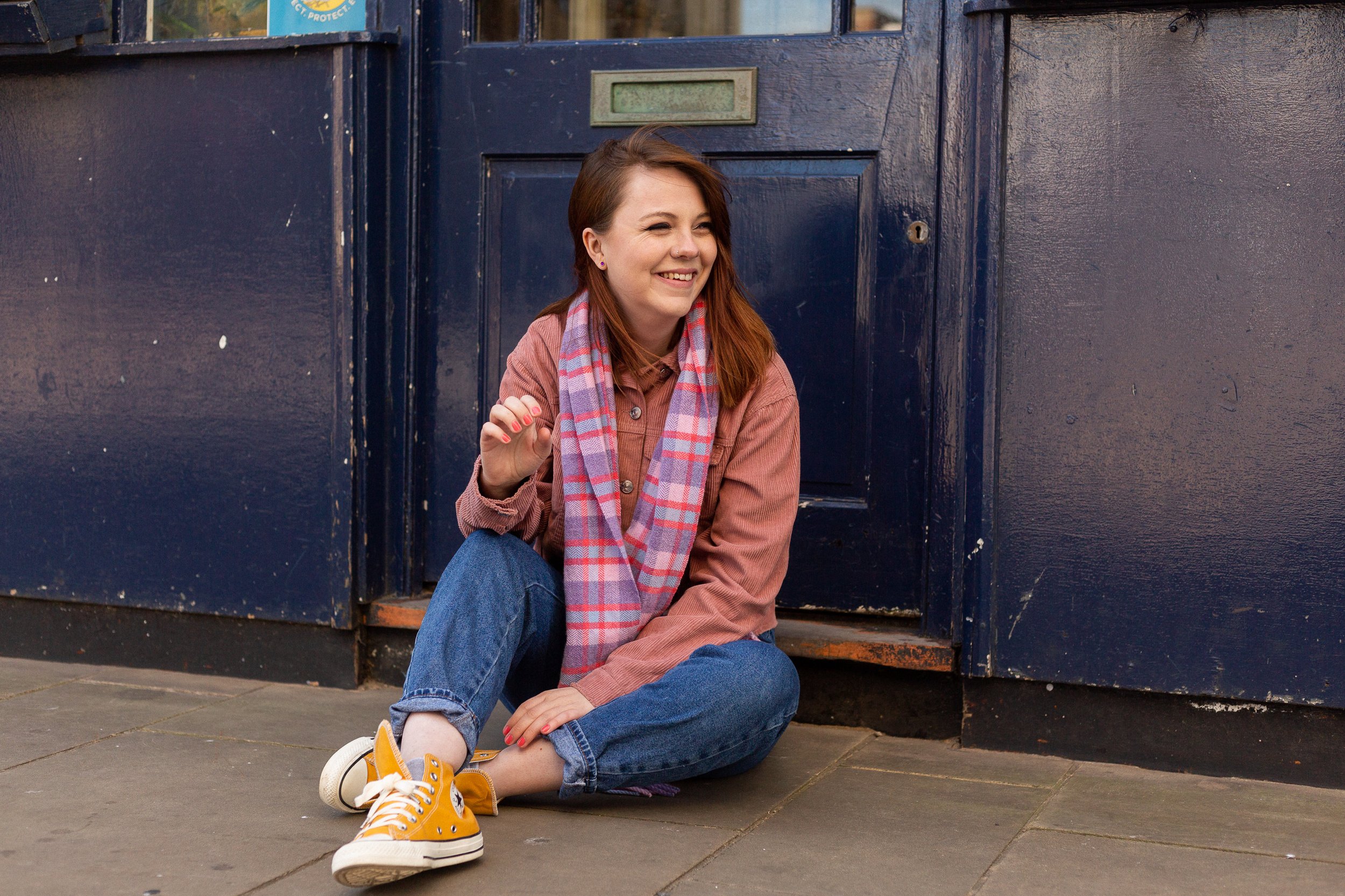
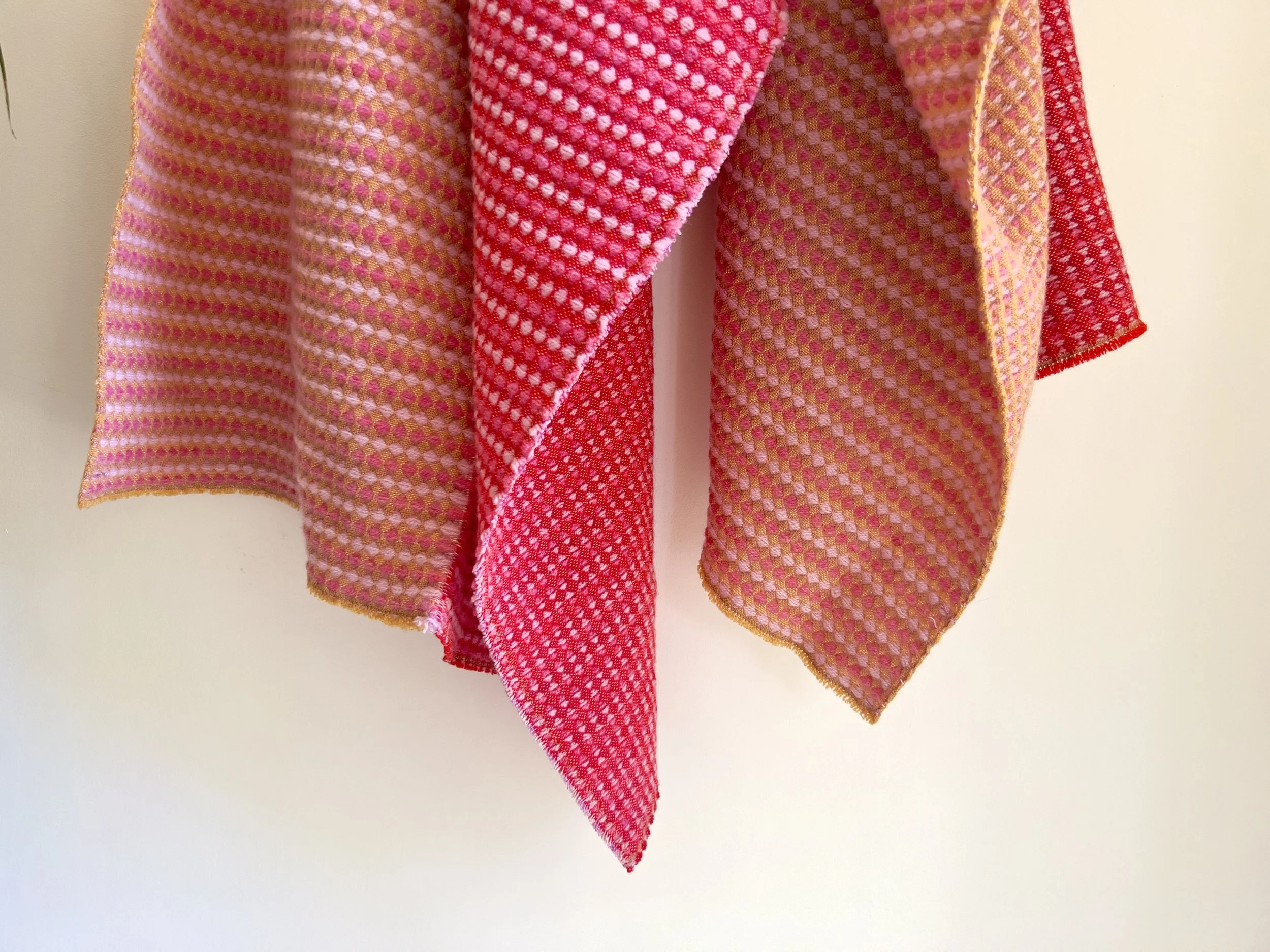
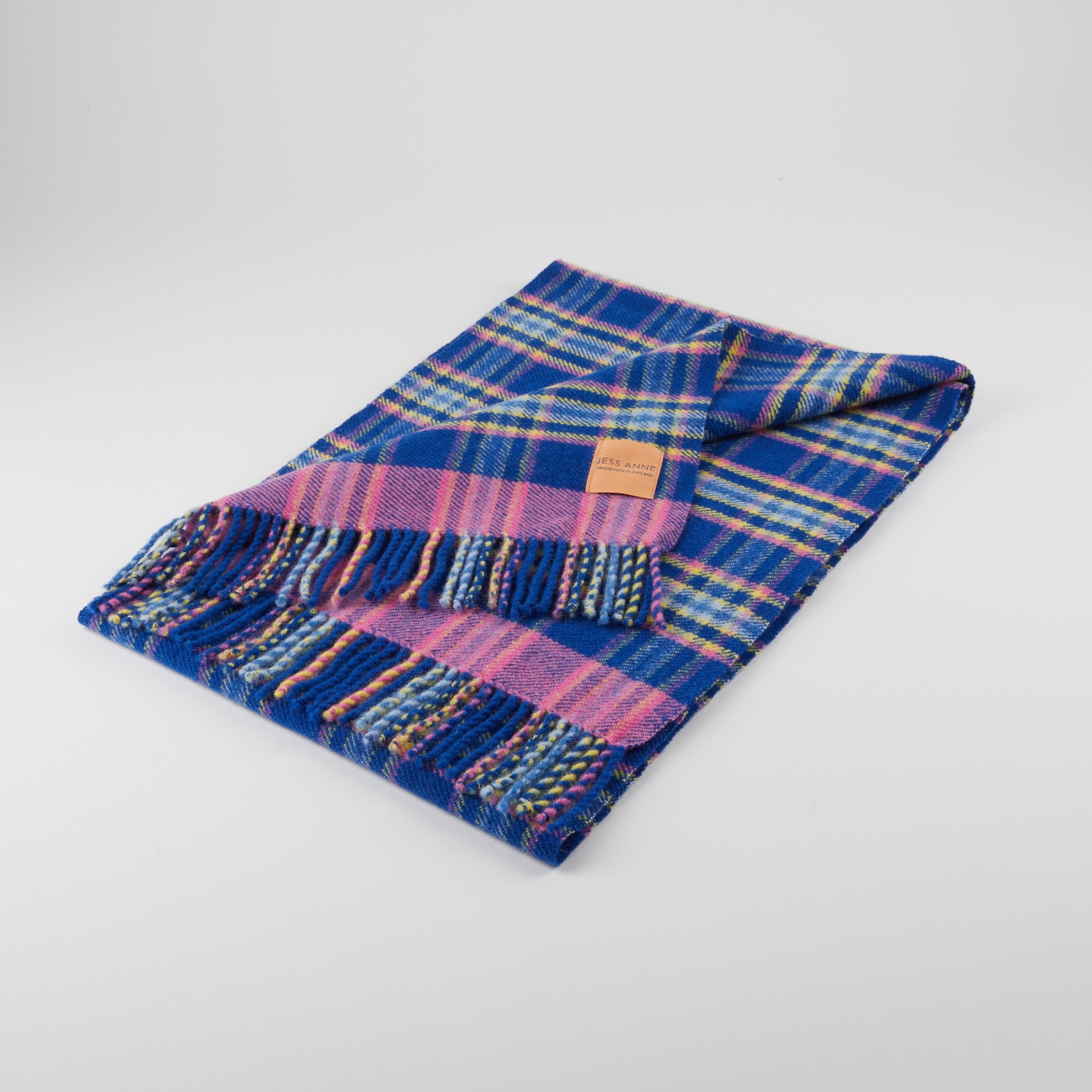
my oh my, it’s been a while since we had a good, deep design conversation hasn’t it! the talent of course has always been there and shining, but we now finally had the time as well, to meet some and explore their fabulous work. i’m very excited to introduce jessica clements of JESS ANNE today. she is a woven textile designer whose gorgeous works, with incredibly bold and bright colourways caught my eye immediately, and we’ve gone into process, materials and inspiration to bring her vibrant textiles closer to you.

ZITA: hi jess! first things first - could you say a few words about yourself, what you do and how you got there?

JESS: of course! so hello everyone my name is jessica, i’m 26 years old and live in broadstairs in kent and i’m the founder of JESS ANNE! i started my brand in 2019, just before the pandemic and i really wanted to create a brand that explores woven cloth featuring bright colours that spark joy!

ZITA: and it’s working i think! the first thing that really catches the eye about your work i think are your vibrant colourways! i just love the high contrasts and the neons so much. could you share a little bit about the thoughts that go into putting your wonderful schemes together?

JESS: it’s hard to explain but typically i don’t have a source of inspiration as such, it’s more of a feeling that i have. when i look at colours i don’t tend to think of trends or “what’s in”. i tend to think do they spark anything within me, do these colours remind me of a pleasant memory or place, or do they make me feel like if i wore those colours, i would feel confident? pretty? bold? i just sense my way through the colour choices rather then trying to have an elaborate explanation behind them. if the colours feel right, it feels right! obviously, every individual will have different tastes or opinions on style, however, the colours i choose express who i am as a designer and just as a human being!

ZITA: as a fellow pattern lover, i find weaving – and your particularly geometric patterns fascinating, i guess weaving is very “mathematical”. can you explain a little bit about the process of designing your patterns? what does it look like when one of your colourful patterns come together – is it a long chain of trials and errors, or do you nail it most of the time?

JESS: so, weaving is definitely not for those who don’t enjoy maths. weaving is one of those processes where accuracy and maths is everything and could make or break a pattern or even the physical cloth. when i begin my design process i always start with the colours (obvs!). from there, i tend to experiment with whatever i feel like i need to personally conquer as a weaver who is always trying to progress. as i’ve said before i’m not too driven by trend or styles, but much rather just expressing who i am as a designer and where i am in my personal development as a young creative. the geometric patterns was a real test for me! however it was one I wanted to conquer and prove that i can push my limits (and my own confidence!). when developing a design, the maths has to be spot on, and the maths can shift/change depending on the types of yarns and patterns chosen. i experiment with smaller samples first, writing every calculation to make sure I have the right amount of yarn ends and that i’m using the correct size of equipment such as the reed for the cloth i desire.

it’s definitely a trial and error thing! i wish i could say i nailed it on the head every time but that wouldn’t be true. sometimes yarns do not want to cooperate, even if you double checked every calculation and detail. sometimes, even the smallest of details overlooked can dramatically change the look and feel of the cloth. however, once the sample is nailed and its something that i feel proud to put my name too, i would then expand on this sample to create a range of products!

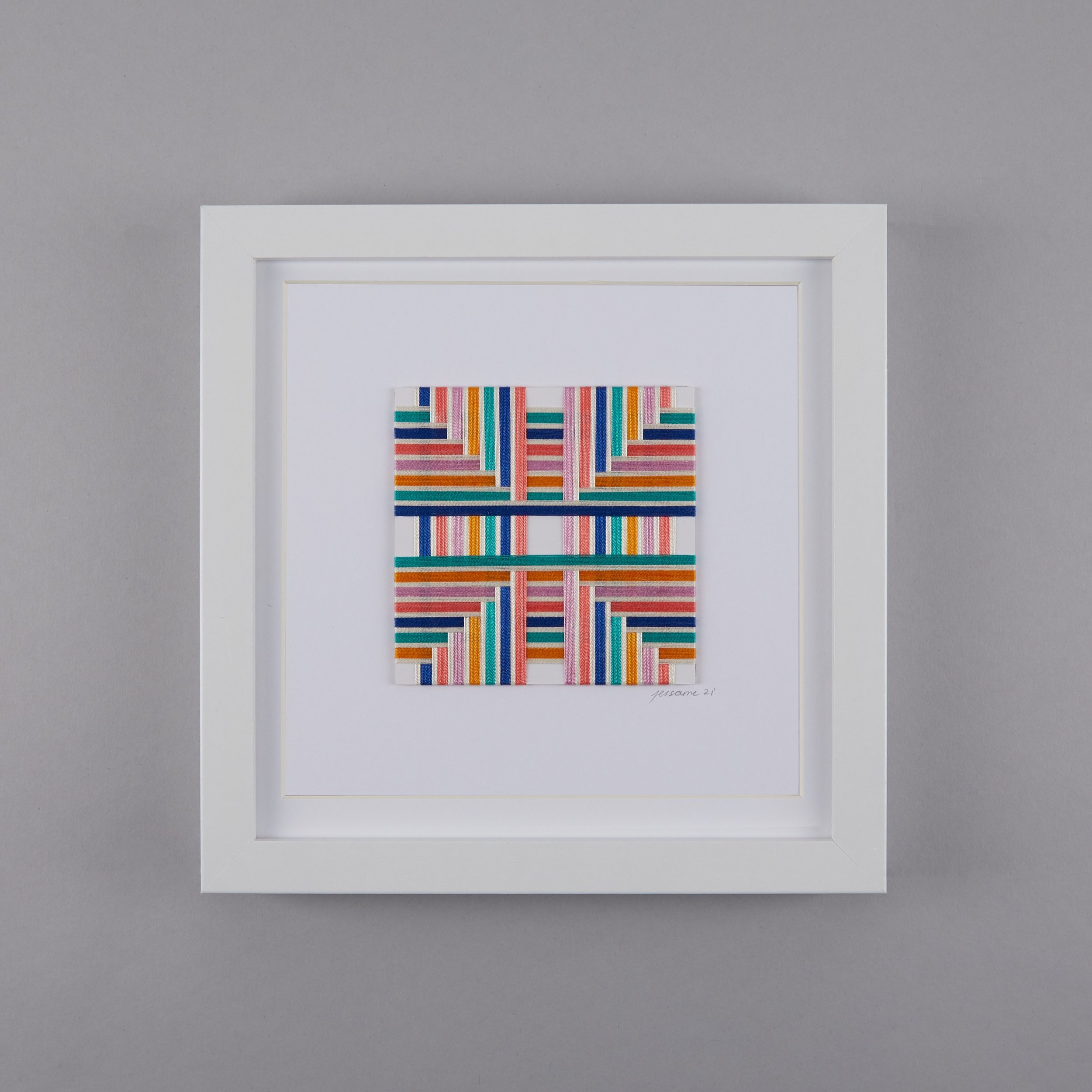
ZITA: what a fascinating process. i find the abstract nature of your work very interesting – i particularly love your woven artworks, it’s like you deconstructed your own craft into something else, something a bit more abstract, they feel quite architectural to me but also remind me of op-art a little bit. can you share a few thoughts about these pieces?

JESS: oh the card windings! i love these little pieces. when studying, we were taught that these card windings were used initially as just a development stage, to try out colourways and warp patterns. however, I started to expand on these using different shapes of card and found they deserved to be mini pieces of art in their own right! carefully hand wrapping card with desired colours in any order?! who wouldn’t?! i think the woven structure will always have an element of being architecturally inspired because the typical woven form relies so heavily on being constructed in a way that it will structurally hold together! not only do they help inform the woven cloth designs but they create such dynamic little studies that are interesting enough to want to hang on the wall!

ZITA: i think they work brilliantly, i really love them. now, let’s talk materials! what kind of materials do you work with – do you mix them often, or do you stick to one or two that works? what works?

JESS: oh good one. i’m a typical creature of habit, however as i’ve been designing, i’ve been trying my hardest to break free from my comfort zones. i tend to weave mainly with lambswool, however, in my most recent collection i have really been trying to expand on my products and offer lighter alternatives to the heavier & warmer wools and been experimenting with cotton/linen blends. i tend to use cottons for my card windings and happen to find myself using these now in my newer designs as a supplementary yarn. i’m hoping the more i evolve as a designer, the more i will be adventurous and try more yarns! eek!

ZITA: have you found that sustainability and ethical sourcing has become more of a point with your customers as well as in your supply chain? how do you find this – have you always worked with such materials?

JESS: i think by now most consumers are concerned with the environment, as they should be! it’s so important for people to realise the impact the textile industry has on the environment, and this should definitely be more integrated into our buying habits. as an independent designer and so early on in my journey, i handweave all of my designs, eliminating the risk of buying into any sort of sub par factory conditions or any sort of exploitation (although, it’s of my understanding now these regulations are in place and finally the textile world is shifting into a much more ethical way of producing). the yarns i order are from smaller independent shops in the UK, who also do their own background investigations into where they source their yarns. the company that i purchase my lambswool from and the cottons are very transparent in their processes which makes the selection process much easier. it’s so difficult to navigate through the world of industry, however, i remain conscious of my purchases and in the future when i have built up my brand, i strive to be a designer who is part of the ever so important sustainability movement.

ZITA: i think it’s growing really quite fast, nearly all designers i know are now considering this. i got to know you as a fellow participant of a new TV Show and you’ve also been through some thorough mentoring and an intensive development process i guess! how has it been for you in the last few months? without any spoilers, can you share a little bit about how you have developed your work and maybe about some of the new pieces?

JESS: so the show really helped me become who I am today in just a short amount of time! the mentoring was pretty intense to say the least and it was difficult at times to break old habits and ways of thinking, but it was exactly what I needed to tap in to the potential for my woven designs! before filming i lacked confidence and found my development of designing was very slow, as i was always very nervous of trying new patterns/yarn in case they didn’t work out (yes, i am one of those people that if i don’t nail it first time, i get very frustrated!) however the mentoring on the show really helped me overcome that fear and removed the barrier between me as a designer and creating much more statement designs. the designs that will feature in the show really came from a place of needing to push my own boundaries rather then a specific source of inspiration. i view this collection as a natural progression from my previous broadstairs project and i think there something really lovely about my projects linking this way.

ZITA: this is very exciting and i can’t wait to see al this progress on TV soon. development is an interesting process, have you found any new sources of inspiration? where do you normally go to or look to? have you found it’s changed lately?

JESS: i think my design process and sources of inspiration changes almost constantly. as my practice and skills develop and as i continue to design, i find my inspiration shifts so frequently that’s its hard to even keep up with myself! i was inspired mostly by nature and my surroundings in my home town, however i found that more recently my work is more inspired by my own feelings and the feeling i wanted to provoke in people if they were to wear my design. i’m starting to really explore how fabric design and colour combinations can provoke different emotions.  

ZITA: fascinating! and where do you want to see your work most? what’s your dearest ambition, where do you want to take your work next?

JESS: i would absolutely adore to see my brand grow and eventually develop into a fashion brand. the dream has always been to see my fabrics on garments such as beautiful, tailored suits and dresses and feature in glossy magazines (i think most designers have this day dream!), TV, instagram… and just generally see my work being used by all over the world! the sky is the limit!

ZITA: yeah, you go girl! and now the question i ask from everyone - can you recommend a book? or an artist or a maker whose work is worth looking into? something or someone that keeps you thinking forward?

JESS: oh my goodness there’s so many artists and designers that inspire me from across the board i couldn’t possibly narrow It down! there’s so many amazing weavers out there such as margo selby, ptolemy mann, rita parniczky, theo rooden… the list is endless! i think any of these artist would be good start if you wanted to understand more about woven design and what is possible!

ZITA: and lastly but most importantly, where can we see your work next?

JESS: so as i’m typing this i have no current exhibitions or markets coming up, however my products are available through my website and i welcome emails or instagram DMs enquiring to commission or purchase. i’m currently still in the process of re-branding and re developing my website and i’m communicating with smaller retailers about becoming stockists. exciting! ahh!

ZITA: sounds like you have a lot on your plate, but i’m sure it will work out. thanks so much for talking with me!

-

Links:

JESS ANNE website

JESS ANNE instagram

‘make it at market(BBC media centre website)

margo selby website

ptolemy mann (crafts council website)

rita parniczky (saatchi art website)

theo rooden website

ARCHITECTURE, ARCHITECTURAL HERITAGE, BRUTALISM, INSPIRATION

a brutalist stop - forton services

well, it’s been another long pause between blog posts, but it’s not been forgotten, only postponed, due to, uhm, general life happening at a pace, i guess. but when things get busy and exhausting, there comes the need to take a break and go somewhere else to recharge. so let’s take a road trip. let’s go, from scotland, to somewhere nice in the sunny south of great britain. anywhere. if you like going fast, you’ll take the motorway, the m6. it’s not the most scenic of routes, so it gets monotonous, and since tiredness can kill, there will be a time to take a break. and there, you’ll eventually come across a fabulous concrete tower emerging in the landscape with a futuristic footbridge arching over the motorway, and suddenly you feel compelled to indicate your exit to spend some time in this fascinating piece of architecture - we’ve arrived to forton services!

i have always been obsessed with logistics. the excitement of logistics and infrastructure never gets boring – perhaps it’s no surprise that some of zitozza’s block printed fabrics are directly inspired by road signs and wayfinding systems.

i just love it when everything and everyone in the system has its place and function, a well oiled machine itself that can take care of millions of people and things getting where they are meant to be when they are meant to be. but while the architecture that serves this system has to be purely functional, for curious travellers who are excited to be somewhere new soon, the associations fill all of this functional stuff with positive meanings, the typefaces on vans and reg plates, the smell of the handwash soap, the hot touch of the disposable coffee cup are all symbols of the anticipation of getting there. so from this point of view, a well designed, interesting motorway station is a piece of happiness on earth, and ...for someone who makes textile prints of road signs – like SOROMPÓ or any number of grid-based modular patterns – it’s a piece of inspiration too, doubly so if it’s brutalist of course!

forton services today belongs to the moto bk chain, and you’ll find it on the m6 between junction 32 and 33. it opened in 1965, and according to SOSbrutalism, the designers were bill galloway and ray anderson of the architecture firm tp bennett and son. (yes, that’s of the same thomas bennett of the saville theatre, amongst other things - today they do a lot of interesting commercial projects - totally worth a look!)

there are some two-storey buildings on both sides of the motorway with restaurants and cafes, connected by a high-tech looking footbridge forming a light arch over the motorway. to walk across it is a great exercise to stretch the legs a little and the eyes to the distance too. the timber ceiling panels of the inside of the bridge somehow creates a very nostalgic mood in the warmth of this texture reflecting the light directly below it. that just further excites about the travel - i’m not sure how materials do it but’s definitely the timber. the tunnel view of the inside of the bridge has an octagonal frame with the joins at each window panel cutting your corners diagonally. the outside view of course is the endless motorway and the crowds of cars going somewhere.

of course, it’s most distinctive point is the pennine tower, emerging from the landscape on the northbound side with its cantilevered hexagon at the top. it used to be some accommodation and a restaurant - this blog has some archive images of the fabulous decor in its full glory (as well as the whole structure when it was pristine white!) it reminds me of the early decor of the UFO bridge in bratislava a little bit (more of that in another blog post i think…) and i would have loved to enjoy a meal there, the views across then countryside must have been breathtaking on a sunny day.

unfortunately due to the strict fire regulations, it is now closed to the general public and it is now grade II listed, even though it might be hard work to re-open it.

it was intentionally designed to resemble an airport’s traffic control tower and that all i can feel is the anticipation of getting somewhere, perhaps it’s succeeded in its job. it is a cliché to say that we must enjoy the journey as much as the destination, but in the case of how motorway stations ought to be, there is definitely truth in it!

if you enjoy exploring the crossroads of architecture and textiles, you might like our collections – heavily influenced by modernist infrastructure and brutalist forms. see you next time - and don’t forget, tiredness can kill, take a break.

-

links:

SOSbrutalism

forton services blog

tp bennett